Catégorie : De l’Ukraine

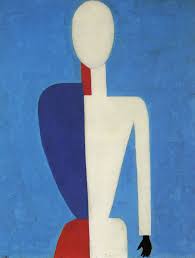
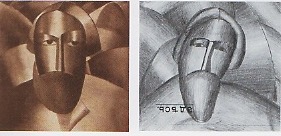
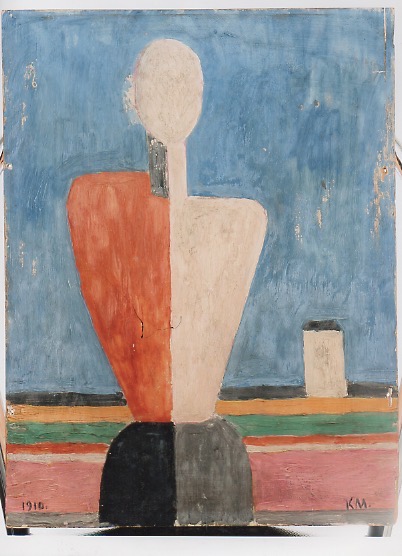
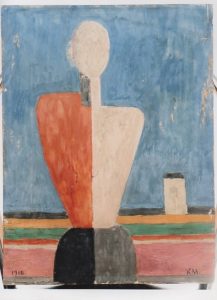
  • « Torse féminin N° 1 » de Malévitch :

  • Евгений Деменок « Валентина Маркаде. Несколько рассказов »

    Евгений Деменок

    Валентина Маркаде. Несколько рассказов

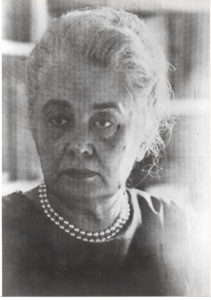
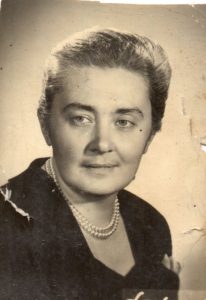
    Она родилась в Одессе, окончила гимназию в Чехословакии, а большую часть жизни прожила во Франции. Валентина Дмитриевна Маркаде (в девичестве Васютинская) не только стала одним из первых во Франции исследователей русского и украинского авангарда, но и была автором целого ряда рассказов, и поощряла её в творчестве её близкая приятельница, хорошо всем известная Тэффи. Но на родине сегодня её имя забыто, а рассказы, за исключением нескольких (небольшая повесть «Каменный ангел» (журнал «Возрождение», № 207, 1969) и рассказ «Блаженная» («Новое русское слово», Нью-Йорк, 1952)), так и не были опубликованы – после смерти Тэффи она полностью изменила сферу своих интересов, переключившись на историю искусства. Поэтому данная публикация двух её рассказов является первой.

    Для начала – немного биографии. Валя Васютинская родилась 22 сентября (5 октября) 1910 года в зажиточной дворянской семье. Её отец, Дмитрий Степанович Васютинский (1875-1934), родился 20 сентября 1875 года в селе Карловка Ананьевского уезда Херсонской губернии. В Одесском областном архиве, в фондах Новороссийского университета, есть запись о поступлении его в августе 1894 года на Физико-математический факультет, отделение математических наук. Указано, что он был дворянином, православного вероисповедания, окончил Ришельевскую гимназию.

    Удивительно, но Дмитрий Степанович обожал петь, поэтому со временем практически всё своё время посвящал этому занятию. Он стал оперным тенором и выступал под псевдонимом Курагин.

    Не менее известным был род матери, Евгении Антоновны Корбе (1875-1953). Ещё в начале XIX века Василий Корбе выкупил село Грушевка – сейчас оно находится в Первомайском районе Николаевской области. Живший в Херсонской губернии род Корбе достаточно хорошо описан и прослеживается с начала XVIII века.

    Удалось установить адрес, по которому жила в Одессе до эмиграции семья Васютинских – улица Елисаветинская, дом номер 21.

    Да-да, до эмиграции. Разумеется, люди такого происхождения симпатий к власти большевиков не испытывали. И в 1920 году (по некоторым сведениям, в 1918-м) Васютинские (родители, Валентина и её старший брат Степан) покинули Одессу и оказались поначалу в Софии. Несколько лет Валентина училась здесь в католической начальной школе. Вскоре семья перебирается в центр русской эмиграции – Париж. Но девушке нужно было продолжать образование, и родители отправляют её в Чехословакию, в знаменитую Русскую гимназию в городке Моравска-Тршебова. Валя Васютинская окончила гимназию в 1930 году, получив аттестат о среднем образовании. Скорее всего, выбор Чехословакии был обусловлен несколькими причинами. Во-первых, родители хотели, чтобы дочь получила образование на русском языке. Во-вторых, благодаря «Русской акции помощи» чехословацкого правительства и учёба, и проживание были совершенно бесплатными. А главное – компания преподавателей и учеников была совершенно блестящей. Валентина не успела пересечься с Ариадной Эфрон, но на всю жизнь сдружилась с детьми барона Сергея Эуардовича Штейгера – Аллой, Лизой и Анатолием. Алла, вышедшая замуж за ещё одного одессита, скульптора Александра Головина, стала выдающимся поэтом, стихами которой восхищались Бунин, Цветаева и Адамович. Поэтом стал и Анатолий, чью обширную переписку с Мариной Цветаевой сохранила сестра.

    Одним из близких друзей Валентины того периода был и поэт Герман Хохлов, о котором писал Варлам Шаламов.

    Там же, в гимназии, Валентина Васютинская познакомилась ещё с одним человеком, который оказал влияние на всю её жизнь. Этим человеком был её преподаватель, учитель русского языка и литературы Владимир Владимирович Перемиловский (1880-1966). Педагог, литературовед и переводчик, до приезда в 1925 году в Чехословакию он преподавал русскую литературу в Риге и Харбине. Перемиловский был близким другом Алексея Ремизова – тот даже посвятил ему легенду «О безумии Иродиадином, или Как на земле зародился вихорь». Он был членом Союза русских педагогов в Чехословакии, автором целого ряда статей о литературе и педагогике, опубликованных в Харбине и Праге. Они с Валентиной будут переписываться десятки лет, до самой смерти Перемиловского.

    Окончив гимназию, Валентина Васютинская собиралась поступать в Карлов университет, но отец потребовал срочно ехать в Париж – у мамы был перитонит. Васютинские жили невероятно бедно, и Валентина, не имевшая французского паспорта, была вынуждена заниматься любой возможной работой. Она помогала посетителям кинозалов находить свои места, вышивала, паяла радиоприёмники, была домработницей. И тем не менее 1930-е и 40-е были годами плодотворных встреч. Близкими её друзьями были в то время перебравшиеся в Париж Алла и Сергей Головины, Анатолий Штейгер. Она сближается с Тэффи (мама, Евгения Антоновна, была у Тэффи dame de compagnie). Тэффи всячески поощряла литературное творчество Валентины Дмитриевны. В 1952 году Валентина написала рассказ «Блаженная», посвятив его «светлой памяти моего нежного друга, строгого судьи – единственной Надежды Александровны Тэффи». Тогда же написала она это стихотворение:

    ЭПИТАФИЯ

                       Н.А. Тэффи


    Ты не могла не знать,

    Мой чуткий друг! –

    Что связаны с тобой мы

    Узами навеки;

    Что дружбы вехи –

    Сильней страстей и горячей огня!

    В 131 номере парижского журнала «Возрождение» за 1962 год опубликована статья Валентины Дмитриевны «Надежда Александровна Тэффи. Из личных воспоминаний», которую сейчас цитируют все исследователи творчества Тэффи.

    Именно на конец 1940-х и начало 1950-х приходится основной всплеск литературного, беллетристического творчества Валентины Васютинской. Он сохранился в рукописях, которые передал мне её муж, выдающийся французский историк искусства Жан-Клод Маркаде.

    История их романа вполне достойна собственного романа – простите за тавтологию.

    После войны Валентина разводится с первым мужем, Борисом Павловичем Алимовым, бывшим белогвардейским офицером, и переезжает обратно к матери. Начинается новый этап в её жизни.

    В 1947-50 годах она учится в Школе восточных языков у доктора Пьера Паскаля, с успехом сдаёт выпускные экзамены и получает место ассистента преподавателя русского языка в Бордо. Она не оставляет мыслей о высшем образовании и в 1955-м оканчивает университет в Бордо, после чего переезжает обратно в Париж, где также преподаёт русский язык в различных гимназиях, а затем и в Школе восточных языков.

    В Бордо, где у Валентины Васютинской было множество учеников, она встретила главного человека своей жизни – Жана-Клода Маркаде. Разница в возрасте составляла у них двадцать семь лет.

    «В Бордо у неё был свой круг друзей, и я тоже с ней дружил, поэтому, бывало, ездил на море с ней и её подругой Свет (Люсьет Видаль), преподавателем французского языка, латыни и греческого. А когда Валентина Дмитриевна поехала в Париж, мы списались и решили на лето устроить такое „общежитие“ в селе – нанять на троих маленькую ферму где-то в центральной Франции и там отдыхать. Почему-то Свет не приехала, ферму ещё ремонтировали – это была настоящая сельская конюшня, так что мы с Лялей жили в отеле. Я был страшно в неё влюблён. И она, как славянская женщина, невзирая на молву и сплетни, которые могли о нас распускать, пошла мне навстречу, уступила мне… <…> Она ничего не делала, чтобы меня соблазнить, не играла шармом. Мы с ней очень много говорили на разные темы, и, думаю, она совсем не ожидала такого поворота событий. У нас это называется coup de foudre – удар молнии», – вспоминает Жан-Клод Маркаде.

    В 1958 году они начинают жить вместе, а в 1966-м Жан-Клод принимает православие, и они венчаются в Свято-Духовском ските в Ле-Мениль-Сен-Дени. Гостями на венчании были в числе прочих художники Рафаэль Херумян и Михаил Андреенко-Нечитайло. Это было неспроста. Валентина и Жан-Клод круто изменяют предмет своих исследований (несмотря на это, в 1987 году Жан-Клод защищает в Сорбонне диссертацию, посвящённую Лескову). Русское и украинское искусство, в первую очередь искусство авангардное, становится их страстью (Жан-Клод рассказывал, что забросила беллетристику окончательно Валентина после критического письма от Перемиловского, который и посоветовал ей заниматься исследовательской работой).

    Её карьера историка искусства складывается более чем успешно. Валентина Дмитриевна публикует в журнале «Возрождение» целый ряд статей по русской истории, литературе и искусству. Совместно с Жаном-Клодом они публикуют ряд статей о Малевиче, который стал для них одним из главных художников, в частности, статью «Значение Малевича в современной живописи». Совместно они перевели на французский его теоретические работы – они были изданы в четырёх томах.

    В 1969 году Валентина Дмитриевна защищает кандидатскую диссертацию по истории русского искусства, которая в дальнейшем была издана в виде монографии под названием «Le Renouveau de L’Art Pictural Russe, 1863–1914» в издательстве «L’Age d’Homme» в Лозанне. Руководителем диссертации выступает Пьер Франкастель, в жюри – легендарный Жан Кассу, первый директор Государственного музея современного искусства в Центре Помпиду. Она становится пионером по изучению русского искусства во Франции и первой декларирует то, что в истории русского искусства XX века нельзя разделять художников, живших в России и СССР, и художников-эмигрантов. Вскоре её назначают приват-доцентом в Школе восточных языков, где она преподаёт историю русского искусства.

    И начинает работать над «большой», докторской диссертацией, становясь пионером в изучении и украинского искусства.

    В 1979 году они с Жаном-Клодом составляют опубликованный в Кёльне каталог «Художницы русского авангарда 1910-1930», к которому пишут вступительную статью, за год до этого – их совместная монография о Михаиле Андреенко. А в 1981-м Валентина Дмитриевна защищает докторскую диссертацию на тему «Вклад в изучение украинского изобразительного искусства». В 1990-м в Лозанне она выходит отдельной монографией («L’Art d’Ukraine»Еditions L’Аge d’Homme). 

    Обе монографии Валентины Дмитриевны поставили её в ряд первых в истории исследователей русского и украинского авангарда – наряду с Камиллой Грей, Ларисой Алексеевной Жадовой, Шарлоттой Дуглас.

    На фоне этих успехов её беллетристика оказалась незаслуженно забытой. Собственно, причину – совет Перемиловского – я уже указал выше. Основные тексты так и остались в рукописях. В папках, переданных мне Жаном-Клодом Маркаде, есть наброски сборника стихотворений «Сокровенное», отпечатанные на машинке сборники рассказов «Неизгладимые встречи» и «У чужих очагов», рассказ «Блаженная» и ещё целый ряд черновиков.

    Мне кажется, будет символичным и правильным опубликовать несколько рассказов Валентины Маркаде именно в Одессе. 


    ВАЛЕНТИНА МАРКАДЕ


    МЕЖДУ ЖИЗНЬЮ И СМЕРТЬЮ

    рассказ

    В дни германской оккупации Парижа я как-то спустилась в метро, на станцию Duroc; одновременно со мной к платформе подошёл поезд, и контролёрша перед самым носом захлопнула дверцу.

    Вышедшие из вагонов, не глядя друг на друга, гурьбой спешили к выходу. Так на вокзалах всего мира бегут тысячи людей – быстро пробегают один мимо другого, не оборачиваясь, боясь заглянуть в лицо идущего рядом. Разойдясь, их пути никогда не перекрестятся больше, и они навсегда теряют друг друга…

    А если остановиться и взглянуть?..

    Поезд отошёл, дверца открылась; путь на перрон свободен.

    Я шла на противоположный конец платформы; навстречу попалась небольшая кучка людей, медленно двигающаяся по опустевшей площадке. Сразу бросалась в глаза необычайная бледность одного из них.

    – Должно быть, ему стало дурно в вагоне, – подумала я, – и его ведут отдышаться на скамейку.

    Взглянула пристальнее ещё раз и отшатнулась: на измождённом лице господина, в широко раскрытых глазах застыл нечеловеческий ужас…

    Ни мысли, ни сознания в них уже не было. Казалось, он весь одеревенел и только еле-еле передвигал негнувшимися ногами. Его волокли за обе руки, а наручниках: с одной стороны немецкий офицер, с другой француз, агент гестапо. Немец сжимал в свободной руке револьвер наготове. Со стороны агента-француза бежала очень приличная дама, по-видимому, жена взятого господина.

    – Умоляю, умоляю вас, клянусь вам, полковник, это моя вина, – молила она беззвучным, надорванным голосом, вся согнувшись под тяжестью внезапно свалившегося горя. – Je vous en supplie, – снова залепетала дама засохшими губами.

    Агент-француз растерянно заулыбался, немец раздражённо требовал расправы. У будки начальника станции все остановились.

    Ещё мгновение, и дама упала бы на колени. Чувствовалось, что она готова так всю жизнь простоять на коленях, моля о пощаде, лишь бы вырвать из рук палачей своего мужа.

    – Je vous en supplie

    Этого нельзя было вынести.

    Наконец немец решительно дернул за наручник; несчастный господин покачнулся, как кукла, и, не произнеся ни звука, двинулся дальше.

    Безоружного, в наручниках, его потащили под дулом заряженного револьвера к наружному выходу метро.

    Кто же посмел сказать, кто дерзнул солгать, что человек создан по образу и подобию Божию?..

    Я стояла в полной растерянности; мимо, один за другим, неслись встречные поезда.

    Что сделал этот господин? Какую вину перед угрозой смерти так самоотверженно брала на себя его жена?..

    Ответ умчал с собой отъехавший поезд.

    Удалось ли бедной женщине спасти своего мужа, или его тут же, на её глазах, расстреляли в яркий солнечный воскресный день?

    Этого, вероятно, я тоже уже никогда не узнаю.

    27/8 – 1950

    МАРКИЗА

    рассказ

    «Я только теперь понял, что можно умереть

    на глазах у всех, и никто даже не обернётся».

    Осип Мандельштам


    Уже с раннего утра у форточки дешёвых билетов Grand Opera толпятся желающие попасть на «Фауста» Гуно.

    «Фауст» всегда идёт при переполненном зале, и получить на него места трудно. Вот почему я решила выстоять хотя бы несколько часов кряду, но раздобыть себе билеты.

    Обыкновенно, очередь собирается ещё задолго до открытия кассы и неподвижно стоит на улице, огибая слева фасад здания, пока ровно в десять часов не раздвинут чугунной решётки ограды; тогда толпа с разбега бросается вперёд под каменные своды и снова застывает на месте.

    В уличной давке, не рассчитав движения, я сильно задела стоявшую рядом со мной пожилую женщину; от моего толчка старуха покачнулась на тонких, как у цапли, ногах и выронила прямо на мостовую ветхую, как и она сама, книжонку… Досадуя на себя за свою неловкость, я поспешила подобрать выпавшую из её рук книгу и принялась извиняться.

    – Пожалуйста, не печальтесь обо мне, поверьте, я ничуть не была побеспокоена вами, – ответила мне старуха на таком прекрасном французском языке, что я невольно поразилась. Впрочем, моё удивление возросло ещё больше, когда, взглянув на поднятую книгу, я увидела потрёпанный томик Шекспира на английском языке.

    Моё недоумение не ускользнуло от проницательных глаз нищенки, и по её сморщенному лицу пробежала горькая усмешка.

    – Если не ошибаюсь, вы говорите по-французски со славянским акцентом, правда?

    Разговор завязался.

    – Да, вы правы, – заверила я её и назвала себя.

    – Чрезвычайно польщена, сударыня, вашим знакомством, – со светской любезностью ответила тряпичница, и, в свою очередь, отрекомендовала себя полным именем: SophieRoseMarquise de Folignay.

    Что за небылица? Я не верила своим ушам. Между тем, стоять пришлось очень долго; примостясь на ступеньках, слово за слово, мы разговорились, и я неожиданно узнала всю печальную судьбу этой необыкновенной женщины.

    – Мой отец был самым беспечным и ветреным человеком, какие только бывают на свете, – задумчиво начала она.

    – Когда ему понадобилось спасти своё родовое имение от описи и продажи с публичных торгов, он, не долго думая, женился на моей матери, единственной дочери и наследнице богатых фабрикантов соседнего департамента. В то время одна из его дальних родственниц была начальницей института благородных девиц. Почти с пелёнок меня отдали ей на попечение, и это было самое беззаботное время всей моей злополучной жизни… Когда, по окончании пансиона, я вернулась в родительский дом, не только мать, но и отец встретили меня с распростёртыми объятиями. Он с жаром принялся вывозить меня на скачки, балы, костюмированные вечера.

    Мы старались не пропустить ни одного soireeни одного presentation remarquable. Время закружилось весёлым карнавалом – всюду желанная, всюду окружённая роем поклонников, я невольно очутилась той зимой в центре всеобщего внимания.

    Но ничего не любила я так, как наши утренние прогулки верхом по Булонскому лесу. Отъехав, бывало, на несколько шагов от дома, мы останавливались с отцом на углу Avenue Friedland, и, прежде чем повернуть к Триумфальной арке, издали посылали маме прощальные приветствия.

    Стоя у открытого окна, она неизменно провожала нас глазами, полными любви и скорби.

    – En avant! – приказывал отец, и, быстро пришпорив коня, исчезал за поворотом.

    На мои настойчивые расспросы о причине постоянной маминой грусти он либо не отвечал ничего, либо менял разговор; мне же самой и в голову не могло прийти, в какие страшные тиски была зажата моя семья. Весь уклад нашей жизни требовал, конечно, огромных средств, а взять их уже было неоткуда – источник иссяк.

    Увы, для меня лишь одной продолжало оставаться тайным то, что почти всему Парижу служило притчей во языцех: особняк, в котором мы жили на rue Chateaubriand, давно был заложен, имение продано; скрепя сердце, отцу пришлось уступить лондонскому антиквару и нашу родовую гордость – старинную коллекцию картин и гобеленов.

    С отчаянием погибающего он тратил теперь эти деньги на меня, в надежде, что при моей молодости, прекрасном воспитании и громком имени мне удастся составить хорошую партию, способную ещё спасти нас от полного разорения.

    Хотя самые чопорные круги Парижа всё же продолжали принимать нас, поражаясь достоинству, с каким отец переносил своё злосчастье, но выйти завидно замуж я, конечно, уже не могла; несмотря на очевидный успех и, прямо скажу, незаурядную наружность, серьёзного претендента у меня не оказалось.

    Правда, всю зиму за мной упорно ухаживал сын нашего домашнего врача, Жорж Мегришо, но его предложение приняли как личное оскорбление, и резко отказали не только в моей руке, но и от дома.

    И кто бы мог предположить тогда, что это единственный счастливый жребий, суженый моей безотрадной доле?..

    В день моего семнадцатилетия отец, презирая всякое благоразумие, устроил великолепный приём.

    После пышного ужина начались танцы. Мы с ним в первой паре открыли вальсом бал. Искусно лавируя среди кружившихся пар, он уверенно вёл меня к малой гостиной, из которой мама пристально следила за нами беспокойным взглядом…

    Последний «tour», и он бережно опустил меня в свободное кресло, изящно откланялся и подошёл к ней.

    – Je vous demande la grâce, mon Ange, de ne me point quitter ce soir…

    Подошедший сзади лакей прервал разговор, подавая на подносе письмо.

    – Уже?.. Ну что ж, я готов… – неопределённо ответил отец, и, присев возле мамы на диван, неожиданно взял обе её руки в свою ладонь:

    – Друг мой, простите меня, – сказал он только, припадая губами к её рукам, и спустил курок.

    Гремевшая в зале музыка заглушила сухой треск выстрела; подбежавший лакей едва успел поддержать уже медленно сползавшее тело.

    – Притворите скорее двери! – страшным шёпотом вымолвила мама, не проронив ни стона, ни слезинки.

    – SophieRose, проводите приглашённых, и, главное, не забудьте – это внезапный удар.

    Но правду замять не удалось; картёжный проигрыш, просроченные векселя, частные долги требовали немедленного покрытия. К довершению бед, врач, быть может, в отместку за своего сына, наотрез отказался, несмотря на все наши мольбы, удостоверить смерть от разрыва сердца, что лишило отца отпевания и церковного погребения.

    В холодный, ветрено-дождливый день мы с мамой вдвоём, окоченев от стужи, хоронили отца, как последнего бродягу; ни одной души не нашлось тогда, которая пожелала бы отдать ему последний долг…

    Мама, не перенеся такого горя, вскоре последовала за ним. И я, семнадцати лет от роду, осталась круглой сиротой, без средств, поддержки и родных; друзья же поспешили поплотней закрыть передо мною свои двери.

    Если в своё время для женитьбы на мне желающих не оказалось, то для моей погибели охотников нашлось сколько угодно!

    Не сумев постоять за себя, я потеряла голову, закружилась и покатилась… Дни безумств, кутежей и разгула сменялись промежутками щемящей тоски. Но последним ударом, доконавшим меня, послужило известие об устроенной в Париже выставке частной коллекции картин маркиза de FolignayУспех превзошёл все ожидания. Бездушное стадо светской мрази, подогретое шумихой, вызванной кончиной отца, с утра до вечера толпилось теперь в просторных залах снятого помещения.

    Где было достать средств, чтобы выкупить картины обратно?

    Я попробовала счастье в азартной игре.

    И что же?

    К двадцати годам проиграв всё, до последней нитки, дошла до такого состояния полного обнищания, в каком вы видите меня теперь, пятьдесят лет спустя…

    Было бы легче, если бы всего этого не было никогда, уверяю вас; но жизнь в насмешку ещё раз поставила меня лицом к лицу с забытым прошлым: недавно, проходя в ночные сумерки возле Opera-Comique, я, по старой привычке, остановилась полюбоваться театральным разъездом… Среди других проходил и господин с двумя дамами. В пожилом, роскошно одетом мужчине я сразу узнала Жоржа Мегришо.

    По-своему истолковав мой пристальный взгляд, он быстро, окинув меня с головы до ног, пошарил в кармане и застенчиво ткнул в руку пятифранковую бумажку.

    Подумать только: мне, SophieRose de Folignay, Жорж Мегришо, как уличной попрошайке, швырнул, проходя, милостыню!..

    Оцепенев от обиды, я залилась беззвучным смехом.

    – Oh! Quelle malheureuse créature, Papa! – ужаснулась его дочь, в недоумении глядя на меня.

    – Mais ma pauvre Sophie-Rose, c’est la vie. Il n’y a rien а faire, – равнодушно ответил он своей дочери и поспешно прошёл мимо меня, скрывшись за углом.

    А я, как дождевой червь, раздавленная жестокостью его слов, одиноко осталась на пустынной улице, окружённая холодной мглой осенней ночи…

    Погружённая в глубокое раздумье, моя собеседница грустно умолкла: на её губах застыла кривая усмешка, а из старческих подслеповатых глаз заструились горючие слёзы; они градом катились по лицу, рукам, ветхим лохмотьям, падая и разбиваясь, одна за другой, о ледяной булыжник мостовой, грязный и жёсткий, как и весь пасмурный закат этой прожитой исковерканной жизни.

    29/8 1950

    *


    Продолжение следует.
    К списку номеров журнала «ЮЖНОЕ СИЯНИЕ» | К содержанию номера


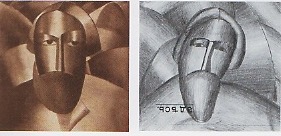
  • « FEMALE TORSO No. 1 » BY MALEVICH IS THE IMAGE OF THE NEW SUPREMATIVE ICONICITY


    TORSO 1


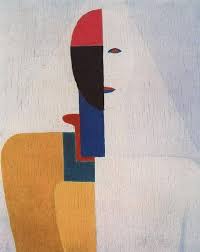
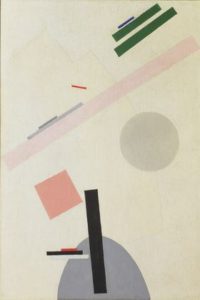
    TORSO 2


    TORSO 3


    TORSO 4


    Jean-Claude Marcadé


    « FEMALE TORSO No. 1 » BY MALEVICH IS THE IMAGE OF THE NEW SUPREMATIVE ICONICITY


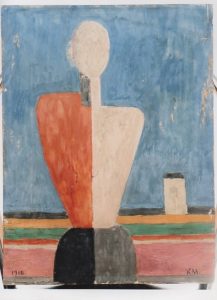
    The painting “Female Torso No. 1” (oil on wood, 41 x 31 cm), which appeared in a private collection in Kyiv, brings new light to one rather mysterious series of the late 1920s, which was shown in a retrospective exhibition of Malevich in Tretyakov Gallery (Moscow) in 1929 and in the Art Gallery (Kyiv) in 1930. It is still difficult to classify the artist’s paintings after 1927. « Female Torso No. 1 » allows us to bring in some order to this important part of the paintings of the Ukrainian artist.


    BACKGROUND


    Between 1928 and 1934, the founder of Suprematism intensively returns to painting and creates more than two hundred works, the exact chronology of which cannot be established today. We only know that for a retrospective exhibition at the Tretyakov Gallery in 1929 and at the Art Gallery in 1930 in Kyiv, Malevich draws a series of impressionist paintings which he dates by the beginning of the 20th century and depicts the peasant themes of 1912-1913 in a new way, which he also antidates.

    The artist then reinterprets his early cubofuturism, leaving the old dating. He dates works made in the late 1920s by the pictorial culture that they represent, and not by the date of their drawing. Thus, “Female Torso No. 1” is dated as of 1910, and we will return again to this problem. The entire series of the works (“The Mower” at the Tretyakov Gallery, “At the Cottage”, “Van’ka Boy” at the State Russian Museum, etc.) employs again the early cubofuturistic elements in order to bring them into a structure that takes into account the achievement of Suprematism.

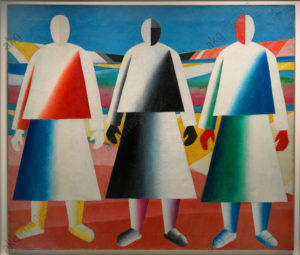
    So, this structure is built of colorful stripes for the background and simplified planes for the body of the characters (see “Girls in the field » at the State Russian Museum[1]). The invariant verticality of those characters who, like in the church icon, occupy the central space of the picture is noted. In post-suprematism, a person stands in front of a universe whose color rhythms pass through him/her. The horizon line is low. There is no real color simulation.


    THE MEANING OF ICON PAINTING


    Malevich’s return to the image after 1927 is actually a synthesis in which objectivity pierces people depicted in the position of eternity. Between 1909 and 1913, the face of the painter Ivan Klyun served as the plot of various stylistic metamorphoses, symbolist, primitivist, geometric, cubofuturistic, realistically abstruse. After 1927, it became the paradigmatic face of the peasant, adopting the basic structure of the prototypes of icon painting, in particular the Pantocrator or the Miraculous Savior[2].

    This borrowing of the basic system of some icons is not, as in Boychukism, a “juggling of centuries” [“tricherie avec les siècles”] as Apollinaire[3] puts it, but a modern application of icon painting as a “form of the highest culture of peasant art”[4]:

    « Through icon painting, I understood the emotional art of the peasants, which I loved before, but did not understand the whole meaning that was discovered after studying the icons. »[5]


    POSITION IN THIS CONTEXT OF THE PICTURE « WOMEN’S TORSO No. 1 »


    The four main elements are of great interest in this work: its iconicity, its popular primitivism, its alogism, and its energy of color.


    SUPREMATIC ICONICITY


    The painting « Female Torso No. 1 » is painted on a linden board. Its background consists of oil paint, to which animal glue and chalk are mixed. Linden wood is one of the noble materials used by icon painters in Russia and in the Balkans; glue and chalk are an integral part of gesso, with which artists cover the board before they integrate the drawing into the plot. This drawing is called the sketch, it draws the outline of the plot before applying paints.

    In the painting « Female Torso No. 1 », it is clear that Malevich returns to the principle of the icon-picture, which he initiated in the early 1910s, but here he applies a new structure. Of course, Malevich is not an icon painter, he is a painter who wanted to give the easel picture the same structural and metaphysical setting as the church icon in order to develop a new image of the universe. In this, we repeat, it differs from the Byzantine Boychukist school, which strove to garment modern reality in the forms of traditional icon painting.

    On the formal side, you can consider « Female Torso No. 1 » as a suprematization of the icon. He is the prototype of a series of paintings and drawings between 1928 and 1932.

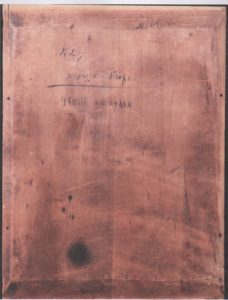
    The works that immediately followed this prototype are known: the canvas “Torso. The First Formation of a New Image 1928-1929” in the Tretyakov Gallery, on the back of which is written by Malevich’s hand: “No. 3 The First Formation of a New Image. The Problem is Color and Form and Content,”[6]

    TORSO 3

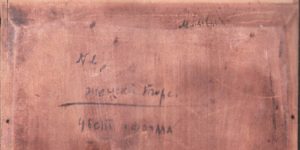
     and on the back of our painting « Female Torso No. 1 », Malevich wrote: « No. 1 Female Torso color and shape« 

    ; another « Female Torso 1928-1929 » is also known, which is also in the State Russian Museum, oil on plywood, on the back of which the artist writes with his own hand: « No. 4 female torso – Development of the 1918 motive.”

    TORSO 4

    My hypothesis is that another canvas of the same late 1920s, located in the State Russian Museum, which has an identical structure as our « Female Torso No. 1 », namely, « Torso (figure with a pink face) 1928-1929 »[8]

    TORSO 2

    is actually number 2 which immediately follows number 1 (our « Female Torso ») and precedes number 3.

    That is, Malevich used « Female Torso No. 1 » as a prototype from which he created variations in the likeness of a composite of paints and shapes. This hypothesis seems to me confirmed by the presence of two holes on both sides of the board, indicating that it was nailed to serve as a model for further work.

    Let us go back to the “Female Torso No. 4”

    TORSO 4

    , since here we are talking about a new step in developing the “new image”: the female face has an eye and a mouth, but also without the slightest realism (for example, there is no direct image of the nose); the suprematic iconic timeless character of the image is fully marked.


    DATING


    We find, as in our painting « Female Torso No. 1 », dating of 1910 in the works which, most likely, follow from this prototype. To understand what the Ukrainian artist is implying, one should recall his letter to L. M. Lisitzky dated February 11, 1925, at the time when he was attacked by the adherents of Marxism-Leninism and he was accused of idealism and mysticism. He not only does not give up his thoughts, but also reinforces them with his highly metaphorical-metonymic style, Gogol’s biting humor. Speaking about his heads of the « Orthodox peasants » of the early 1910s, he announces:

    “It turned out, I painted the ordinary head of a peasant that it is unusual, and really if you look from the point of view of the East, then it’s everything that is ordinary for Westerners, then for people of the East it becomes unusual, everything ordinary turns to the Icon, for the East is iconic and it is, and the West is a machine, an object, a toilet, utilitarianism, technology, and here is a plant and factories, this is a new hell from which People will be freed through a new image, that is, through a new Savior. I painted this Savior in 1909-1910, he became a savior through the Revolution, the Revolution is only a banner, the thesis through which he became a synthesis, that is, the « New Savior » […]

    I did not go « past the Revolution » – on the contrary, I foresaw its synthesis back in 1909-1910 in the New Savior. And this is now becoming the main thing. The Tatlin Tower is a fiction of Western technology, he will now send it to the Paris exhibition, and of course he can also build a reinforced concrete urinal so that everyone can find a corner. It’s so clear to me that without a lamp I can write (paint) about the West and the East. « [9]

    So it is natural that Malevich, when he returns to easel painting and seeks to convey “in color and form”, as it is written in our “Female Torso No. 1”, a new image-icon of a man and the world, continues his poetics of the beginning of 1910 when the image of the peasant (not in the sociological sense of the word, but in the sense of a man in the lap of nature) is revealed in the prism of the image of the Orthodox.

    THE ORTHODOX, 1912


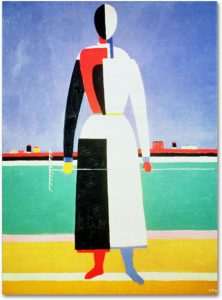
    In this section, we find the same iconic features in the late 1920s in the painting « Suprematism in the contour of a peasant woman » [« Woman with a rake« ] from the Tretyakov Gallery

    or in « Girls in the field

    Kazimir Malevic, Ragazze in un campo, 1929, Museo di Stato Russo, San Pietroburgo

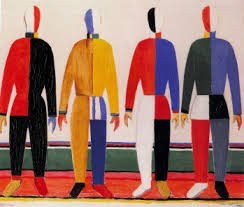
     and “Suprematism in the contour of athletes » from the State Russian Museum[10],

    which are in the spirit of our « Female Torso No. 1 », which affirms the purely pictorial framework of the artist.

    Malevich could say that he does not portray the faces of many of his characters because he does not see the person of the future, or most likely because the future is an unknown mystery.

    Christological references are present in many images of post-Suprematist creativity, often they are camouflaged.

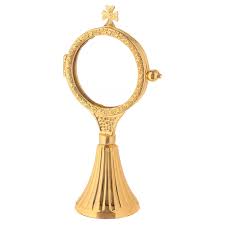
    Among the impulses that could lead the artist to these “faceless faces”, there is the Roman Catholic practice of worship (adoratio) before the wafer (guest) in a monstranza (ostensorium).


    Despite the fact that Kazimir Severinovich, being baptized according to the Roman Catholic rite, was not a churchman, he in all probability visited churches in childhood and in his youth. In addition, we know from correspondence with M.O. Gershenzon in 1920 from Vitebsk that he « returned or entered the religious world »:

    “I don’t know why this happened, I go to churches, look at the saints and the whole spiritual world”[11]

    Could the artist, among the impulses from the “Religious World”, receive an impulse from worship in front of a guest who is in the hole of the Catholic Ostensarium. And there is « presence-absence. »

    The ostensarium well is round or sickle-shaped. Just « faceless faces » have a lunar contour. The monstrance’s hole was traditionally surrounded by bronze, silver or gold artwork, often depicting the sun. But she could have been without this ornament. Namely Malevich wants to leave the Solar World, leaving only a contemplation of the Pure action.

    It should be noted that Malevich refers to the adoration of the Blessed Sacrament in the Catholic Church in his astonishing text on Lenin « Extract from the book on the Objectlessness » (1924):

    « Lenin was buried in a glass coffin for no other reason except that he should be seen as a Blessed Sacrament.This forecast that I wrote has really come true. When I wrote it I did not know about the idea of the glass slit. I had considered the idea of the glass coffin supposing that a man who has been sanctified is a Blessed Sacrament, and the degree of his holiness corresponds to the holy sacrament in the Catholic world in which the Sacrament is put under glass.”( Malevich III, The world as Non-Objectivity. Unpublished writings, 1922-25. (ed. Troels Andersen),Borgen, 1976, p. 315-36)


    PRIMITIVISM


    Malevich calls in this era for exposure, not for wild accumulation. This return to primary rhythms, to the minimalism of figurative expression, also deals with the poetics of folk art, which seeks visual efficiency with the help of sketchy drawings. Dmytro Gorbachov showed how these Malevich’s « faceless faces » resemble rag dolls created in the peasant Ukrainian world. It is interesting to note that since July 1930, two paintings of the peasant cycle were among the exhibits of the exhibition « Sowjetmalerei » (Soviet painting) in Berlin. They were dated 1913 and 1915! The critic Adolf Donat describes them as figurative paintings depicting characters resembling tight and faceless dolls in front of flat landscapes. He adds:

    « That ‘colossus’ is visible, in which a person is displaced simultaneously in the arts and around them. »[12]


    In the same way, the colored stripes that have the figure of the “Female Torso No. 1” next to them, are a kind of picturesque echo of those polychrome stripes on the aprons of the Ukrainian peasant women, like many handmade towels and carpets, especially in Polesie, where the Malevich’s family comes from. The artist even used these stripes in a lot of post-suprematic paintings and even they make up objectless (pointless) canvas painting of 1932 from the State Russian Museum[13]. These polychrome abstract stripes refer to aerial vision of the fields. This is the last statement of outer space, which protrudes through the contours of man and nature. Suprematism blew up any visible realistic outline, while post-Suprematism restores the visible outline of things, while preserving the demands of « peace as pointlessness. »

    The theme of the windowless house also appears before Malevich’s prison and interrogations at the GPU from late September to early December 1930. Here, it seems, the matter is about a simplified minimalist primitivistic arrangement, almost graffiti, of the painter’s architectural thought, his “architectons” with its so complex form; like the character of « Female Torso No. 1 », with whom he adjoins, this house is another mystery of what will be the dwelling of a human being in the future. All houses depicted or painted in 1928-1930 have the same white color of Ukrainian huts. After 1930, this primitive house will become the emblem of a prison symbolized by the Red House from the State Russian Museum[14], in which a man of a totalitarian society is already imprisoned and where red expresses the suffering to which the prisoner is subjected.

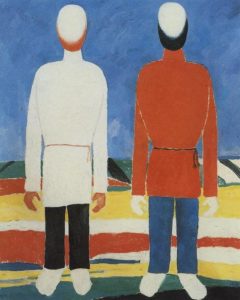
    In the same way, after being subjected to the interrogations by the KGB and spending time in prison, Malevich’s faceless characters become more and more representatives of suffering humanity; they seem to be connected, ugly. Nevertheless, the artist continues to adhere in parallel to the task that he expressed in « Women’s Torso No. 1, » namely, the further development of the purely pictorial problem of « color and form. » In this regard, he wrote on the back of the canvas of the 1930s « Two male figures » from the State Russian Museum:

    « An engineer uses one or another material to express his purpose, the artist painter takes one form or another of nature to express color sensations. K. Malevich 1913 Kuntsevo. »[15]


    It’s funny that Malevich tried to write his text using pre-revolutionary spelling, supplying the endings in the consonants with a solid sign! Of course, he gives, as usual in these cases, not the date the drawing was painted, but the initial date when this purely formal task was conceptually conceived.

    ALOGISM


    The character of the “new image” in the form in which it is found in “Female Torso No. 1” is very peculiar: in it, at the same time, the woman is represented facing us and facing the universe. It seems that the right white part (face and torso) appears to us full-face, while the left red-black side, which is raised, gives the impression that the character turned to us backwards and looks at the world.

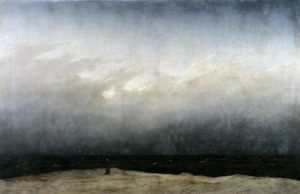
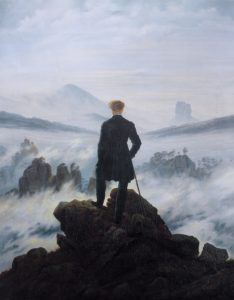
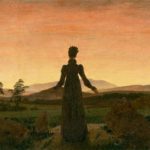
    Another element, whether conscious or not for the artist, which may attract our curiosity, is an echo of the famous painting by Caspar David Friedrich, “The Monk by the Sea”, (1808-1810) from the Berlin National Gallery

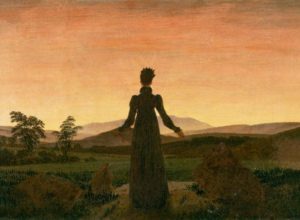
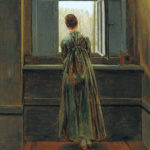
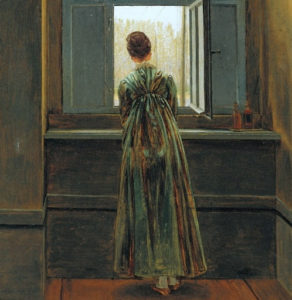
    This would mean that here the iconicity of Malevich’s work is coupled with the reference to the world art. Others paintings by Friedrich are even closer to « Female Torso No. 1 » : « A Woman Before the Sunset » from the Folkwang Museum in Essen

    or “Woman at a Window”

    Une jeune femme se penche a la fenetre de l’atelier de Friedrich. C’est Caroline, l’epouse du peintre. Tournant le dos au spectateur, elle regarde couler l’Elbe. Les seuls signes de vie sont la femme, le vert delicat des peupliers, et le ciel de printemps. Dans ce travail, Friedrich a adopte un theme de predilection du romantisme, le cadre evoque un desir de l’inconnu. Le regard vers l’exterieur, contemplation de la nature, retour vers l’interieur de soi centre spirituel de l’individu.

    See also “Traveler in Front of a Sea of Fog” from Kunsthalle in Hamburg.

    The artist saw without a doubt the art of Friedrich when he was in Berlin in April-May 1927[16].

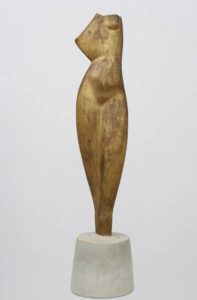
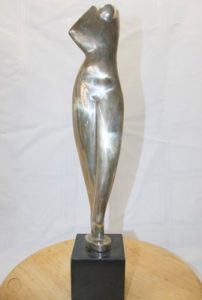
    The alogism of the character’s representation in “Female Torso No. 1” can be found too in all three other paintings of this cycle: “Torso (Figure with a pink face) <No. 2>”, “Torso (Primary formation of a new image) No. 3” and “Female torso No. 4  » We observe in all these paintings  the same raised left shoulder, which turns its  back on us. There is no depiction of hands that could be interpreted as a kind of disfigurement, as it  will happen in the paintinge  after 1930. In fact, one can imagine that the arms are crossed with a cross or tucked in the back or in the front. Moreover « Torso N° 3,(Primary formation of a new image), has one arm turned towards us and we can assume that on the left side which turned its back on us, the arm is folded down. And, moreover, it seems that Malevich wanted to dialogue, creating a new form, with the torsos of his compatriot Archipenko who, from 1914, created a whole series of truncated, armless female forms.


    In No. 4 we note an even stronger alogism: on the left side we see the overlapping on the “shoulder” of elements that can indicate suprematist clothing with a collar. The contrast with the right-hand side turned towards us is very strong due to the bright presence of a white square on it on the shoulder, which is marked by a slight bend, while the beginning of the arm is represented.

    The white veil surrounding the woman gives her the character of a Bride. Recall an article-poem in the Moscow newspaper Anarchy on June 12, 1918, “Engaged in a Horizon Ring,” which describes artists of all arts as lovers of the earth who seek its “hidden beauty”:[17]

    « Beauty seekers walked across the face of the earth, among the rings of the horizon. »[18]

    The earth appears as a « rich bride, »[19] to which « lovers engaged in a horizon ring aspire”[20].

    COLOUR


    Another significant element identified in the prototype of « Female Torso No. 1 » is a matter of color. Striking in post-suprematist paintings is its generally bright polychrome. The « imaginary geometry » of suprematic forms corresponds to what might be called the « imaginary colors », to the extent that the artist refutes the use in his painting of all scientific optical studies of the color prism. Already in 1913, the idea that the sun illuminates only the illusory world was approved in the cubic futuristic opera by M. Matyushina based on A.E. libretto Kruchenykh “Victory over the Sun”, in which the “black square” appears for the first time in Malevich’s sketch for “The Grave Digger”. From the 1919-1920s in Vitebsk, the artist reinforces the idea that color does not come from a light prism and that he determines the place of color in his letter to M.O. Gershenzon of April 11, 1920:

    « For many years I was busy with my movement in colors, leaving aside the religion of the spirit. »[21]

    He further, in the texts of the 1920s devoted to the question of “light and color,” invariably confirms that the pictorial color has nothing to do with prisms that optical science disassembles and analyzes.[22]

    Note what Malevich declares about this during his teaching at the Kyiv Art Institute in 1928-1929, i.e. at the time when « Female Torso No. 1 » was written; refuting the idea that a painter must resort to scientific research on color, such as, for example, Ostwald (you can add Chevreul and Helmholtz there), he writes:

    “We still think that the architectural forms follow from one “-ism”, and the color and texture follow from the discussion of the general meeting of all representatives of different institutions, who collectively select the color for this building on the walls of the built house. In another case if the builders want to bring the scientific base to color, turn to Ostwald or the nearest optical physical study room for studying color.

    It’s all the same if Picasso, Braque, having drawn the forms of the painting, would have turned to Ostwald to have them painted according to all the rules of science, or if a society of artists, engineers, bakers, representatives from all unions would gather together to discuss the coloring of the painted form of a picture. »[23]

    The painter affirms Suprematism even after 1930 in his work, already marked by the tragedy of the Holodomor (Great Hunger in Ukraine). He then wrote about “the development of color and its extinction from the dependence of dynamic stresses”[24]. He then intends to write a treatise on the “Sociology of Color,” which he cannot realize until death. It can be assumed that the word « sociology » did not have for the painter the meaning that Marx and his Marxist-Leninist followers gave to it …

    Multicolor stripes depicting a Suprematist landscape are painted in our painting “Female Torso No. 1” in a rough, rigid manner, which is typical of many other Malevich’s last paintings.

    The whole background of « Female Torso No. 1 » is also colored with a primitive brutal opaque way like the Matisse palette, for example, in the famous « Dance », or in M.F. Larionov around 1910… One could say about the “Female Torso No. 1” what was written about the “rude” application of paint by Matisse as a “wild pulsation ascending to the archaic, to primitive stains.”[25]

    The same brush stroke power is found in the image of the head, where a white rough brushstroke is full of energy flutter. We find the same texture in a white hut. White paint is of particular importance in the poetics of Malevich, based on his attitude towards the world. In his above-mentioned letter to M.O.  Gershenzon, he writes:

    « I also see the New Temple, I divide black, white, and other colors into three actions – in the white I see the Pure action of the World, the colors are something pointless, but the conclusion of the Solar world and its religions. »[26]

    Just in the “Female Torso No. 1” we see that three colors – gray, black, red – are opposed to the white figures and the house on its right side.

    In the same way, as in many post-Suprematist portraits, from the face of the “Female Torso No. 1” comes an element that gives an additional metaphysical dimension, metaphysical in the etymological sense of the term, that is, behind the physical world. The Ukrainian artist several times surrounded with a kind of « halo » the faces of the depicted characters; then it’s a fiery red radiance, then the hair of some characters seems to be moved by the breeze, then it’s a white cover in “Female Torso No. 4… What we see on the left side of the face of “Female Torso No. 1 could be considered as  » leaking « or damage to the picture, « a scratch ». It seems to me, in fact, that the matter is about the outline of the radiation emanating from this new image.

     CONCLUSION

    The painting « Female Torso No. 1 », which we consider in this article, is obviously the prototype of a whole group of works from 1928-1929, when the Ukrainian painter continues to research, through a sense of a objectless (pointless) world, the possibility of introducing a new image of a person in the bosom of the « Earth Bride ». It is a question of a new embodiment of Suprematism in icon contours.

    « Female Torso No. 1 » allows us to reorganize suprematist creativity, which is still described in a chaotic approximate order, often just on a thematic basis.

    First of all, it is necessary to distinguish works created before 1930, the category of which includes « Female Torso No. 1 ».

    All those things that have this icon structure, either with or without a face, form a coherent unity. In this period, between 1928 and 1930, when Malevich was immersed in the Ukrainian world, his work was marked by a vision reflecting the coming world to be rather optimistic, although mysterious, in any case, as a promise of possible happiness. « Female Torso No. 1 » just opens a series of this type.

    Although such a picture as “The Carpenter”, shown at the Kyiv exhibition in 1930, contains camouflaged disturbing elements (the Christ Artist holds a Passion’s tool in his hands)[27].

    It is obvious, however, that the famous « Peasant Woman » with a black face[28], in which a black coffin is in place of the face, cannot be attributed to the period before 1930. It marks the beginning of the tragic vision of the suffering people and society. The painting « Peasants »[29] from the State Russian Museum is also, apparently, painted after 1930. After spending time in the prison and experiencing interrogations, Malevich starts drawing faceless and mutilated people. The themes of the crucifix, coffin, and cross become insistent. The white hut becomes the menacing red emblem of the prison. Red is no longer the color of the « Beautiful » as in « Red Square. The Peasant Woman » of 1915, but the color of blood.

    So, “Female Torso No. 1” makes it possible to reinterpret Malevich post-Suprematist creativity; it also allows us to understand at its source the synthesis that the Ukrainian painter wanted to realize between Suprematism, primitivism, icon, alogism, and colorful energy. This synthesis is unique and completely original among the European art of the late 1920s-early 1930s.

    June-July 2018

    [traduit du russe par Andriy Khraban]

    [1] Казимир Малевич в Русском музее, Санкт-Петербург, Palace Editions, 2000 (под ред. Е.Н. Петровой et alii), № 42, с. 337 / Kazimir Malevich in the Russian Museum, St. Petersburg, Palace Editions, 2000 (edited by E.N. Petrova et al), No. 42, p. 337

    [2] См. Валентина Маркаде, “Селянська тематика в творчості Казимира Севериновича Малевича” (“Сучасність”, лют. 1979, с. 65-76) / See Valentine Marcadé, “Te Peasant Themes in the Work of Kazimir Severinovich Malevich” ( Malewitsch, Cologne, Galerie Gmurzynska, 1978, p. 94-119° )

    [3] Guillaume Apollinaire, « Les Russes » [Русские], L’intransigeant, 22 avril 1911

    [4] К. Малевич, Главы из автобиографии художника [1933], в кн. « Малевич о себе. Современники о Малевиче. Письма. Документы. Воспоминания. Критик  (сост. И.А. Вакар, Т.Н. Михиенко), Москва, РА, 2004, т. 1, с. 28 / K. Malevich, Chapters from the autobiography of the artist [1933] in the book. « Malevich about himself. Contemporaries about Malevich. Letters. Documents. Memoirs. Critic (compiled by I.A. Vakar, T.N. Mikhienko), Moscow, RA, 2004, v. 1, p. 28

    [5] Ibidem

    [6] Казимир Малевич в Русском музее, цит. произв., № 36, с. 334. / Kazimir Malevich in the Russian Museum, cit. production., No. 36, p. 334.

    [7] Там же, № 38, с. 335. Начальная дата была « 1910 », она была изменена на « 1918 », что требовало бы комментария, не входящего в рамки нашегонастоящего эссе. / The first date was “1910”, it later was changed to “1918”, which would require a comment that is not part of our present essay.

    [8] Там же / Ibidem, № 37, с. 335

    [9] К.С. Малевич, Письмо к Л.М. Лисицкому от 11 февраля 1925, в кн. Малевич о себе. Современники о Малевиче. Письма. Документы. Воспоминания. Критика, цит. произв., т. 1, с. 171 / K.S. Malevich, Letter to L.M. Lissitzky February 11, 1925, in the book. Malevich about himself. Contemporaries about Malevich. Letters. Documents. Memories. Criticism, cit. production., t. 1, p. 171

    [10] [10] Казимир Малевич в Русском музее, цит. произв., № 42, с. 337 и № 68, с. 352 / Kazimir Malevich in the Russian Museum, cit. production., No. 42, p. 337 and No. 68, p. 352

    [11] К.С. Малевич, Письмо к М.О. Гершензону от 11 апреля 1920 года, в кн. Малевич о себе. Современники о Малевиче. Письма. Документы. Воспоминания. Критика, цит. произв., т. 1, с. 127 / K.S. Malevich, Letter to M.O. Gershenzon of April 11, 1920, in the book. Malevich about himself. Contemporaries about Malevich. Letters. Documents. Memories. Criticism, cit. production., t. 1, p. 127.

    [12] Цитирую по Joop M. Joosten’у в каталоге Malevich . 1875 [sic]-1935, Los Angeles, The Armand Hammer Museum of Art, 1990, c. 19 / I quote from Joop M. Joosten in the Malevich catalog. 1875 [sic] -1935, Los Angeles, The Armand Hammer Museum of Art, 1990, p. 19.

    [13] Казимир Малевич в Русском музее, цит. произв., № 70, с. 353 / Kazimir Malevich in the Russian Museum, cit. production., No. 70, p. 353

    [14] Там же / Ibidem, № 85, с. 358

    [15] Там же / Ibidem, № 74, с. 354

    [16] Thank the Berlin sociologists Anabella Weismann and Gerd Otto, who led me to such an interpretation of « Female Torso No. 1 ».

    [17] Казимир Малевич, Собрание сочинений в пяти томах, Москва, « Гилея », т. 1, 1995, с. 115 / Kazimir Malevich, Collected Works in Five Volumes, Moscow, Gilea, vol. 1, 1995, p. 115

    [18] Там же / Ibidem.

    [19] Там же / Ibidem, с. 116

    [20] Там же / Ibidem, с. 115

    [21] К.С. Малевич, Письмо к М.О. Гершензону от 11 апреля 1920 года, цит. произв., с. 127 /    K.S. Malevich, Letter to M.O. Gershenzon of April 11, 1920, cit. production., p. 127

    [22] К.С. Малевич, Письмо к М.О. Гершензону от 11 апреля 1920 года, цит. произв., с. 127 / K.S. Malevich, Letter to M.O. Gershenzon of April 11, 1920, cit. production., p. 127

    [23] К.С.  Малевич, « Архитектура, станковая живопись, скульптура » [1929], в кн. Казимир Малевич. Київський період 1928-1930 (сост. Тетьяна Филевська), Київ, Родовід, 2016, с. 127 / K.S. Malevich, « Architecture, easel painting, sculpture » [1929], in the book. Kazimir Malevich. Kiev period 1928-1930 (comp. Tetyana Filevska), Kyiv, Rodovid, 2016, p. 127

    [24] К.С. Малевич, Письмо к Л.М. Антокольскому от 15 июня 1931 года, в кн., Малевич о себе. Современники о Малевиче. Письма. Документы. Воспоминания. Критика, цит. произв., т. 1, с. 227 /  K.S. Malevich, Letter to L.M. Antokolsky from June 15, 1931, in the book. Malevich about himself. Contemporaries about Malevich. Letters. Documents. Memories. Criticism, cit. production., t. 1, p. 227

    [25] Isabelle Monod-Fontaine, « Grandeur Obtained by the Simplest means« ,  в каталоге Keys to a Passion (сост. Suzanne Pagé, Béatrice Parent). Paris, Fondation Louis Vuitton, 2015, p. 162

    [26] К.С. Малевич, Письмо к М.О. Гершензону от 11 апреля 1920 года, цит. произв., с. 128 / K.S. Malevich, Letter to M.O. Gershenzon of April 11, 1920, cit. production., p. 128

    [27] Казимир Малевич в Русском музее, цит. произв., № 34, с. 334 / Kazimir Malevich in the Russian Museum, cit. production., No. 34, p. 334

    [28] Там же / Ibidem., № 72, с. 353

    [29] Там же / Ibidem., № 21, с. 326

  • Vita Susak « Archipenko: Révolutions dans la sculpture », 2022

    Extrait de la conférence de Vita Susak sur l’avant-garde ukrainienne au Musée des Beaux-Arts de Rouen et à l’INHA,  2022 (https://www.youtube.com/watch?v=lyfv1mOIVhU)

    [•••]Archipenko: Révolutions dans la sculpture

    Une contribution originale et puissante a été effectuée par l’avant-garde ukrainienne dans le domaine de la sculpture. Il s’agit d’Alexander Archipenko. Fils d’un mécanicien-inventeur et petit-fils d’un iconographe, Alexander Archipenko est devenu l’un des plus grands inventeurs de l’art. Ses principales découvertes ont eu lieu dans les années d’avant-guerre à Paris. Les chercheurs ont calculé autour de 20 innovations du sculpteur.

    Lui-même a dit :

    « Il n’y a pas de nationalité dans mes créations. À cet égard, je ne suis pas plus ukrainien que chinois. Je n’appartiens à personne « .

    (C. J. Bulliet, Introduction. Archipenko, Tour of the Exhibition of the Works, New York 1927)

    Cependant, après son arrivée à Paris en 1908, il s’est immédiatement inscrit à la Société ukrainienne(Hromada), et non à la Société chinoise. Toute sa vie, le sculpteur a discuté (par correspondance) avec son frère aîné Eugène, défenseur de l’idée ukrainienne, sur l’art national. Dans une lettre qu’il lui a adressée en 1923, Archipenko écrit :

    « Je serai bref : la principale différence entre nous (en matière d’art) réside dans le fait que tu es un nationaliste et que tu regardes l’art à travers le prisme de la nationalité, tandis que moi, je suis un artiste et que je regarde la nationalité à travers le prisme de l’art. Je cherche comment m’exprimer dans l’art, et si dans mon sang il y a une part d’esthétique ukrainienne (pas de sujet), elle sera sortie (reflétée) dans mes formes. Nous devrions simplement commencer à parler de l’esthétique ukrainienne… »(20.12.1923)

    Archipenko se concentra sur les volumes, recherchant des solutions expressives dans les « silhouettes » et les « torses ». « L’allongement des figures d’Archipenko n’est-il pas fondamentalement byzantin ? (…) Les têtes ovales caractéristiques et les plis à facettes, ne proviennent-ils pas de draperies byzantines ?« ,- s’est interrogé plus tard l’historien de l’art américain Frederick White. En 1913, le sculpteur aborde l’idée des formes concaves et des volumes convexes invisibles ( Femme qui se peigne). Archipenko a introduit la polychromie et le mouvement dans ses sculptures ; il a élargi le choix des matériaux, fait des expérimentations avec des surfaces transparentes et polies (verre, métal). La Tête (1914) est l’une de ses œuvres les plus audacieuses dans ce sens.

    À Paris, Archipenko a commencé à travailler sur son Archipentura, qu’il a réalisé plus tard aux États-Unis. L’idée d’Archipenko était simple et géniale. Contrairement aux futuristes qui cherchaient des moyens de transmettre le mouvement sur une surface immobile de la toile, l’esprit de l’inventeur a fait bouger les tableaux eux-mêmes. L’appareil Archipentura a été exposé pour la première fois à New York en 1928 : des dizaines de toiles sur lesquelles étaient appliquées des peintures, placées horizontalement les unes au-dessus des autres, bougeaient à l’aide d’un moteur électrique et sur la surface verticale latérale de cet « armoire », une image-somme apparaissait : d’abord une forme abstraite « miracle », qui se transformait pendant le mouvement de ces toiles en l’image d’une femme.

    Quelques décennies plus tard, les principes d’Archipentura ont été appliqués aux panneaux d’information et aux bigbords. On peut rappeler aussi les inventions audacieuses de Baranov-Rossiné, sa Symphonie n° 2, montré au Salon des Indépendants en 1914, et l’Optopiano, qui produisait simultanément la musique et la projection des couleurs sur le mur. L’artiste a donné les premiers concerts lumineux à Oslo et Stockholm en 1916. Avec Robert Delaunay Baranov-Rossiné a développé le camouflage militaire pointilliste au début des années 1930. Aux caractéristiques inhérentes à l’avant-garde ukrainienne (couleur, espace, hyperbolisme – soulignés par Jean-Claude Marcadé) on peut ajouter l’inventivité, la capacité à combiner l’esthétique et la pensée technique.[•••]

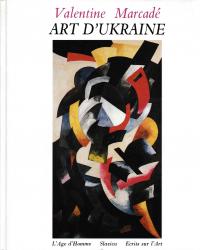
  • Valentine Marcadé, « Art d’Ukraine »   Lausanne, l’Âge d’Homme, 1990, 351 p., pi. en coul. (Slavica, Écrits sur l’art).’art).

    Valentine Marcadé, Art d’Ukraine 

     Lausanne, l’Âge d’Homme, 1990, 351 p., pi. en coul. (Slavica, Écrits sur l’art).


    La publication du livre de Valentine Marcadé Art d’Ukraine est un événement dans le processus d’approfondissement de la connaissance de la culture ukrainienne par l’Occident. L’aube de cette culture a été marquée par le brillant développement de l’art dans l’État kiévien. Cependant les péripéties néfastes de l’histoire dont le résultat fut l’appartenance du territoire de l’Ukraine à la Lituanie, la Pologne et la Russie ont produit, pour un observateur extérieur, une aberration selon laquelle la culture ukrainienne, fut amalgamée à la culture des nations voisines. La restitution de la vérité historique est le premier mérite du livre de V. Marcadé.

    Son deuxième mérite est la présentation des faits esthétiques dans le large contexte de la vie sociale et la démonstration de l’enracinement profond de l’art ukrainien dans les traditions folkloriques qui remontent parfois aux époques lointaines des Scythes et des colonies grecques sur les côtes de la mer Noire. Mais la spécificité la plus importante de ce livre est le choix bien fondé des chapitres de l’histoire de l’art ukrainien que l’auteur propose à notre attention. N’ayant évidemment pas l’intention d’écrire une histoire « complète et systématique » de l’art d’Ukraine, V. Marcadé se concentre sur les épisodes cruciaux de cette histoire, sur la période kiévienne, sur le développement de l’art ukrainien aux XVlle-XVllle siècles, sur la participation des artistes ukrainiens à la vie culturelle de l’Empire russe au XIXe siècle et sur l’avant-garde ukrainienne des premières décennies de notre siècle.

    Il faut dire qu’Art d’Ukraine contient beaucoup de faits et d’évaluations esthétiques qui sont nouvelles et originales non seulement par rapport aux publications sur l’art ukrainien parues en Occident mais aussi par rapport à l’ Histoire de l’art ukrainien en 6 tomes (8 volumes)1, publiée en Ukraine il y a vingt ans, considérée comme un ouvrage à la fois scientifique et représentatif, donnant la description la plus détaillée du processus du développement historique de l’art de l’Ukraine. Cependant cette œuvre, certes utile pour ceux qui s’intéressent à l’art médiéval, ne peut satisfaire la curiosité d’un lecteur fasciné par l’art moderne.

    En ce qui concerne le modernisme ukrainien, la comparaison du livre de V. Marcadé avec l’Histoire de l’art ukrainien ne sera pas à l’avantage de ce dernier. Par exemple, V. Marcadé consacre plusieurs pages de son livre à l’évolution de l’œuvre sculpté d’Alexandre Archipenko en soulignant qu’il propose une nouvelle forme d’objets polychromes inspirés par l’art égyptien antique mais transposés dans l’actualité moderne et conçus comme « sculpto-peinture » (p. 182). Ce jugement se fonde sur l’analyse esthétique, mais aussi sur un article d’Archipenko lui-même et sur l’opinion de Guillaume Apollinaire exprimée dans une de ses critiques. Parallèlement, on ne trouve dans le IVe volume de l’ Histoire de l’art ukrainien que trente lignes sur ce grand sculpteur. Ses œuvres « réalistes » furent évaluées positivement (trois d’entre elles sont reproduites), mais le cubisme d’Archipenko qui lui a assuré sa place dans l’histoire de la sculpture mondiale n’est que mentionné. Les dogmes idéologiques ont poussé les auteurs vers la défiguration du processus réel du développement artistique : « L’atmosphère des recherches purement formelles dans l’art bourgeois [!?] du XXe siècle a donné naissance aux œuvres suprématistes de K. Malévitch de Kiev, aux intérêts cubistes de A. Archipenko et de V. Tatline de Kharkov et aux visions abstraites de V. Kandinsky. . .2 » Sur la même page on trouve un autre amalgame (« passéisme, esthétisme, érotisme, mysticisme ») attribué à la prose de V. Vinnytchenko, à la poésie du groupe « La Jeune Muse » et à la peinture de A. Exter qui n’ont rien de commun entre elles.

    Il est également important de noter que l’ Histoire de l’art ukrainien ne mentionne point les noms des maîtres ukrainiens tels S. Férat (Yastrebtsov), L. Baranoff-Rossiné, Sonia Delaunay, David Bourliouk et de plusieurs autres fondateurs et continuateurs de l’art moderne.

    Maintenant, peu à peu, l’Ukraine se libère du pouvoir de l’idéologie (une des preuves en est la parution du livre de B. Lobanovskij et P. Hovdia, l’Art ď Ukraine de la seconde moitié du XIXe et du début du XXe s., Kiev, 1989, où l’on trouve une approche beaucoup plus équilibrée du phénomène du modernisme). Dans ce processus les futurs auteurs suivront le chemin des recherches de V. Marcadé.

    Tout cela ne signifie pas que chaque jugement de V. Marcadé est incontestable. Par exemple, dans la partie du livre consacrée à l’œuvre de T. Chevtchenko où il y a des observations remarquables : sur « l’accumulation des éléments insolites » dans une de ses planches graphiques, qui « créent une atmosphère « surréaliste » avant la lettre » (p. 149), l’auteur dit : « On note chez Chevtchenko une incompréhension totale de l’art byzantin » (p. 146). Je ne crois pas que l’on puisse parler dans ce cas d’incompréhension. C’est plutôt un rejet total du « byzantinisme » sous toutes ses formes qui, dans la conscience de Chevtchenko, est associé à la monarchie absolue dont le grand poète et peintre ukrainien était un ennemi résolu.

    On trouve parfois dans cet ouvrage des fautes d’impression, surtout dans les transcriptions des noms propres, qu’il conviendra de corriger dans les éditions suivantes.

    Plusieurs dizaines d’illustrations en couleur et en noir et blanc constituent un des nombreux atouts du livre de V. Marcadé.

    Victor KOPTILOV

    1 . Історія українського мистецтва в шести томах, Kyïv, AN URSR, 1966- 1 968.

    1. Ibid., vol. IV, p. 2.


  • Publication par Evghéni Demenok de deux petits récits inédits de Valentine Marcadé (manuscrits d’août 1950)

    Евгений Деменок. ВАЛЕНТИНА МАРКАДЕ. НЕСКОЛЬКО РАССКАЗОВ

    Она родилась в Одессе, окончила гимназию в Чехословакии, а большую часть жизни прожила во Франции. Валентина Дмитриевна Маркаде (в девичестве Васютинская) не только стала одним из первых во Франции исследователей русского и украинского авангарда, но и была автором целого ряда рассказов, и поощряла её в творчестве её близкая приятельница, хорошо всем известная Тэффи. Но на родине сегодня её имя забыто, а рассказы, за исключением нескольких (небольшая повесть «Каменный ангел» (журнал «Возрождение», № 207, 1969) и рассказ «Блаженная» («Новое русское слово», Нью-Йорк, 1952)), так и не были опубликованы – после смерти Тэффи она полностью изменила сферу своих интересов, переключившись на историю искусства. Поэтому данная публикация двух её рассказов является первой.
    Для начала – немного биографии. Валя Васютинская родилась 22 сентября (5 октября) 1910 года в зажиточной дворянской семье. Её отец, Дмитрий Степанович Васютинский (1875-1934), родился 20 сентября 1875 года в селе Карловка Ананьевского уезда Херсонской губернии. В Одесском областном архиве, в фондах Новороссийского университета, есть запись о поступлении его в августе 1894 года на Физико-математический факультет, отделение математических наук. Указано, что он был дворянином, православного вероисповедания, окончил Ришельевскую гимназию.
    Удивительно, но Дмитрий Степанович обожал петь, поэтому со временем практически всё своё время посвящал этому занятию. Он стал оперным тенором и выступал под псевдонимом Курагин.
    Не менее известным был род матери, Евгении Антоновны Корбе (1875-1953). Ещё в начале XIX века Василий Корбе выкупил село Грушевка – сейчас оно находится в Первомайском районе Николаевской области. Живший в Херсонской губернии род Корбе достаточно хорошо описан и прослеживается с начала XVIII века.
    Удалось установить адрес, по которому жила в Одессе до эмиграции семья Васютинских – улица Елисаветинская, дом номер 21.
    Да-да, до эмиграции. Разумеется, люди такого происхождения симпатий к власти большевиков не испытывали. И в 1920 году (по некоторым сведениям, в 1918-м) Васютинские (родители, Валентина и её старший брат Степан) покинули Одессу и оказались поначалу в Софии. Несколько лет Валентина училась здесь в католической начальной школе. Вскоре семья перебирается в центр русской эмиграции – Париж. Но девушке нужно было продолжать образование, и родители отправляют её в Чехословакию, в знаменитую Русскую гимназию в городке Моравска-Тршебова. Валя Васютинская окончила гимназию в 1930 году, получив аттестат о среднем образовании. Скорее всего, выбор Чехословакии был обусловлен несколькими причинами. Во-первых, родители хотели, чтобы дочь получила образование на русском языке. Во-вторых, благодаря «Русской акции помощи» чехословацкого правительства и учёба, и проживание были совершенно бесплатными. А главное – компания преподавателей и учеников была совершенно блестящей. Валентина не успела пересечься с Ариадной Эфрон, но на всю жизнь сдружилась с детьми барона Сергея Эуардовича Штейгера – Аллой, Лизой и Анатолием. Алла, вышедшая замуж за ещё одного одессита, скульптора Александра Головина, стала выдающимся поэтом, стихами которой восхищались Бунин, Цветаева и Адамович. Поэтом стал и Анатолий, чью обширную переписку с Мариной Цветаевой сохранила сестра.
    Одним из близких друзей Валентины того периода был и поэт Герман Хохлов, о котором писал Варлам Шаламов.
    Там же, в гимназии, Валентина Васютинская познакомилась ещё с одним человеком, который оказал влияние на всю её жизнь. Этим человеком был её преподаватель, учитель русского языка и литературы Владимир Владимирович Перемиловский (1880-1966). Педагог, литературовед и переводчик, до приезда в 1925 году в Чехословакию он преподавал русскую литературу в Риге и Харбине. Перемиловский был близким другом Алексея Ремизова – тот даже посвятил ему легенду «О безумии Иродиадином, или Как на земле зародился вихорь». Он был членом Союза русских педагогов в Чехословакии, автором целого ряда статей о литературе и педагогике, опубликованных в Харбине и Праге. Они с Валентиной будут переписываться десятки лет, до самой смерти Перемиловского.
    Окончив гимназию, Валентина Васютинская собиралась поступать в Карлов университет, но отец потребовал срочно ехать в Париж – у мамы был перитонит. Васютинские жили невероятно бедно, и Валентина, не имевшая французского паспорта, была вынуждена заниматься любой возможной работой. Она помогала посетителям кинозалов находить свои места, вышивала, паяла радиоприёмники, была домработницей. И тем не менее 1930-е и 40-е были годами плодотворных встреч. Близкими её друзьями были в то время перебравшиеся в Париж Алла и Сергей Головины, Анатолий Штейгер. Она сближается с Тэффи (мама, Евгения Антоновна, была у Тэффи dame de compagnie). Тэффи всячески поощряла литературное творчество Валентины Дмитриевны. В 1952 году Валентина написала рассказ «Блаженная», посвятив его «светлой памяти моего нежного друга, строгого судьи – единственной Надежды Александровны Тэффи». Тогда же написала она это стихотворение:

    ЭПИТАФИЯ

                       Н.А. Тэффи

    Ты не могла не знать,
    Мой чуткий друг! –
    Что связаны с тобой мы
    Узами навеки;
    Что дружбы вехи –
    Сильней страстей и горячей огня!

    В 131 номере парижского журнала «Возрождение» за 1962 год опубликована статья Валентины Дмитриевны «Надежда Александровна Тэффи. Из личных воспоминаний», которую сейчас цитируют все исследователи творчества Тэффи.
    Именно на конец 1940-х и начало 1950-х приходится основной всплеск литературного, беллетристического творчества Валентины Васютинской. Он сохранился в рукописях, которые передал мне её муж, выдающийся французский историк искусства Жан-Клод Маркаде.
    История их романа вполне достойна собственного романа – простите за тавтологию.
    После войны Валентина разводится с первым мужем, Борисом Павловичем Алимовым, бывшим белогвардейским офицером, и переезжает обратно к матери. Начинается новый этап в её жизни.
    В 1947-50 годах она учится в Школе восточных языков у доктора Пьера Паскаля, с успехом сдаёт выпускные экзамены и получает место ассистента преподавателя русского языка в Бордо. Она не оставляет мыслей о высшем образовании и в 1955-м оканчивает университет в Бордо, после чего переезжает обратно в Париж, где также преподаёт русский язык в различных гимназиях, а затем и в Школе восточных языков.
    В Бордо, где у Валентины Васютинской было множество учеников, она встретила главного человека своей жизни – Жана-Клода Маркаде. Разница в возрасте составляла у них двадцать семь лет.
    «В Бордо у неё был свой круг друзей, и я тоже с ней дружил, поэтому, бывало, ездил на море с ней и её подругой Свет (Люсьет Видаль), преподавателем французского языка, латыни и греческого. А когда Валентина Дмитриевна поехала в Париж, мы списались и решили на лето устроить такое „общежитие“ в селе – нанять на троих маленькую ферму где-то в центральной Франции и там отдыхать. Почему-то Свет не приехала, ферму ещё ремонтировали – это была настоящая сельская конюшня, так что мы с Лялей жили в отеле. Я был страшно в неё влюблён. И она, как славянская женщина, невзирая на молву и сплетни, которые могли о нас распускать, пошла мне навстречу, уступила мне… <…> Она ничего не делала, чтобы меня соблазнить, не играла шармом. Мы с ней очень много говорили на разные темы, и, думаю, она совсем не ожидала такого поворота событий. У нас это называется coupdefoudre – удар молнии», – вспоминает Жан-Клод Маркаде.
    В 1958 году они начинают жить вместе, а в 1966-м Жан-Клод принимает православие, и они венчаются в Свято-Духовском ските в Ле-Мениль-Сен-Дени. Гостями на венчании были в числе прочих художники Рафаэль Херумян и Михаил Андреенко-Нечитайло. Это было неспроста. Валентина и Жан-Клод круто изменяют предмет своих исследований (несмотря на это, в 1987 году Жан-Клод защищает в Сорбонне диссертацию, посвящённую Лескову). Русское и украинское искусство, в первую очередь искусство авангардное, становится их страстью (Жан-Клод рассказывал, что забросила беллетристику окончательно Валентина после критического письма от Перемиловского, который и посоветовал ей заниматься исследовательской работой).
    Её карьера историка искусства складывается более чем успешно. Валентина Дмитриевна публикует в журнале «Возрождение» целый ряд статей по русской истории, литературе и искусству. Совместно с Жаном-Клодом они публикуют ряд статей о Малевиче, который стал для них одним из главных художников, в частности, статью «Значение Малевича в современной живописи». Совместно они перевели на французский его теоретические работы – они были изданы в четырёх томах.
    В 1969 году Валентина Дмитриевна защищает кандидатскую диссертацию по истории русского искусства, которая в дальнейшем была издана в виде монографии под названием «Le Renouveau de L’Art Pictural Russe, 1863–1914» в издательстве «L’Age d’Homme» в Лозанне. Руководителем диссертации выступает Пьер Франкастель, в жюри – легендарный Жан Кассу, первый директор Государственного музея современного искусства в Центре Помпиду. Она становится пионером по изучению русского искусства во Франции и первой декларирует то, что в истории русского искусства XX века нельзя разделять художников, живших в России и СССР, и художников-эмигрантов. Вскоре её назначают приват-доцентом в Школе восточных языков, где она преподаёт историю русского искусства.
    И начинает работать над «большой», докторской диссертацией, становясь пионером в изучении и украинского искусства.
    В 1979 году они с Жаном-Клодом составляют опубликованный в Кёльне каталог «Художницы русского авангарда 1910-1930», к которому пишут вступительную статью, за год до этого – их совместная монография о Михаиле Андреенко. А в 1981-м Валентина Дмитриевна защищает докторскую диссертацию на тему «Вклад в изучение украинского изобразительного искусства». В 1990-м в Лозанне она выходит отдельной монографией («L’Art d’Ukraine»Éditions L’Âge d’Homme).
    Обе монографии Валентины Дмитриевны поставили её в ряд первых в истории исследователей русского и украинского авангарда – наряду с Камиллой Грей, Ларисой Алексеевной Жадовой, Шарлоттой Дуглас.
    На фоне этих успехов её беллетристика оказалась незаслуженно забытой. Собственно, причину – совет Перемиловского – я уже указал выше. Основные тексты так и остались в рукописях. В папках, переданных мне Жаном-Клодом Маркаде, есть наброски сборника стихотворений «Сокровенное», отпечатанные на машинке сборники рассказов «Неизгладимые встречи» и «У чужих очагов»,рассказ «Блаженная» и ещё целый ряд черновиков.
    Мне кажется, будет символичным и правильным опубликовать несколько рассказов Валентины Маркаде именно в Одессе.

    +++++++++++++++++++++++++++++++

    ВАЛЕНТИНА МАРКАДЕ

    МЕЖДУ ЖИЗНЬЮ И СМЕРТЬЮ
    рассказ

    В дни германской оккупации Парижа я как-то спустилась в метро, на станцию Duroc; одновременно со мной к платформе подошёл поезд, и контролёрша перед самым носом захлопнула дверцу.
    Вышедшие из вагонов, не глядя друг на друга, гурьбой спешили к выходу. Так на вокзалах всего мира бегут тысячи людей – быстро пробегают один мимо другого, не оборачиваясь, боясь заглянуть в лицо идущего рядом. Разойдясь, их пути никогда не перекрестятся больше, и они навсегда теряют друг друга…
    А если остановиться и взглянуть?..
    Поезд отошёл, дверца открылась; путь на перрон свободен.
    Я шла на противоположный конец платформы; навстречу попалась небольшая кучка людей, медленно двигающаяся по опустевшей площадке. Сразу бросалась в глаза необычайная бледность одного из них.
    – Должно быть, ему стало дурно в вагоне, – подумала я, – и его ведут отдышаться на скамейку.
    Взглянула пристальнее ещё раз и отшатнулась: на измождённом лице господина, в широко раскрытых глазах застыл нечеловеческий ужас…
    Ни мысли, ни сознания в них уже не было. Казалось, он весь одеревенел и только еле-еле передвигал негнувшимися ногами. Его волокли за обе руки, а наручниках: с одной стороны немецкий офицер, с другой француз, агент гестапо. Немец сжимал в свободной руке револьвер наготове. Со стороны агента-француза бежала очень приличная дама, по-видимому, жена взятого господина.
    – Умоляю, умоляю вас, клянусь вам, полковник, это моя вина, – молила она беззвучным, надорванным голосом, вся согнувшись под тяжестью внезапно свалившегося горя. – Je vous en supplie, – снова залепетала дама засохшими губами.
    Агент-француз растерянно заулыбался, немец раздражённо требовал расправы. У будки начальника станции все остановились.
    Ещё мгновение, и дама упала бы на колени. Чувствовалось, что она готова так всю жизнь простоять на коленях, моля о пощаде, лишь бы вырвать из рук палачей своего мужа.
    – Je vous en supplie
    Этого нельзя было вынести.
    Наконец немец решительно дернул за наручник; несчастный господин покачнулся, как кукла, и, не произнеся ни звука, двинулся дальше.
    Безоружного, в наручниках, его потащили под дулом заряженного револьвера к наружному выходу метро.
    Кто же посмел сказать, кто дерзнул солгать, что человек создан по образу и подобию Божию?..
    Я стояла в полной растерянности; мимо, один за другим, неслись встречные поезда.
    Что сделал этот господин? Какую вину перед угрозой смерти так самоотверженно брала на себя его жена?..
    Ответ умчал с собой отъехавший поезд.
    Удалось ли бедной женщине спасти своего мужа, или его тут же, на её глазах, расстреляли в яркий солнечный воскресный день?
    Этого, вероятно, я тоже уже никогда не узнаю.

    27/8 – 1950

    ++++++++++++++++++++++++

    МАРКИЗА
    «Я только теперь понял, что можно умереть
    на глазах у всех, и никто даже не обернётся».
    Осип Мандельштам

    Уже с раннего утра у форточки дешёвых билетов Grand Opera толпятся желающие попасть на «Фауста» Гуно.
    «Фауст» всегда идёт при переполненном зале, и получить на него места трудно. Вот почему я решила выстоять хотя бы несколько часов кряду, но раздобыть себе билеты.
    Обыкновенно, очередь собирается ещё задолго до открытия кассы и неподвижно стоит на улице, огибая слева фасад здания, пока ровно в десять часов не раздвинут чугунной решётки ограды; тогда толпа с разбега бросается вперёд под каменные своды и снова застывает на месте.
    В уличной давке, не рассчитав движения, я сильно задела стоявшую рядом со мной пожилую женщину; от моего толчка старуха покачнулась на тонких, как у цапли, ногах и выронила прямо на мостовую ветхую, как и она сама, книжонку… Досадуя на себя за свою неловкость, я поспешила подобрать выпавшую из её рук книгу и принялась извиняться.
    – Пожалуйста, не печальтесь обо мне, поверьте, я ничуть не была побеспокоена вами, – ответила мне старуха на таком прекрасном французском языке, что я невольно поразилась. Впрочем, моё удивление возросло ещё больше, когда, взглянув на поднятую книгу, я увидела потрёпанный томик Шекспира на английском языке.
    Моё недоумение не ускользнуло от проницательных глаз нищенки, и по её сморщенному лицу пробежала горькая усмешка.
    – Если не ошибаюсь, вы говорите по-французски со славянским акцентом, правда?
    Разговор завязался.
    – Да, вы правы, – заверила я её и назвала себя.
    – Чрезвычайно польщена, сударыня, вашим знакомством, – со светской любезностью ответила тряпичница, и, в свою очередь, отрекомендовала себя полным именем: Sophie-Rose, Marquise de Folignay.
    Что за небылица? Я не верила своим ушам. Между тем, стоять пришлось очень долго; примостясь на ступеньках, слово за слово, мы разговорились, и я неожиданно узнала всю печальную судьбу этой необыкновенной женщины.
    – Мой отец был самым беспечным и ветреным человеком, какие только бывают на свете, – задумчиво начала она.
    – Когда ему понадобилось спасти своё родовое имение от описи и продажи с публичных торгов, он, не долго думая, женился на моей матери, единственной дочери и наследнице богатых фабрикантов соседнего департамента. В то время одна из его дальних родственниц была начальницей института благородных девиц. Почти с пелёнок меня отдали ей на попечение, и это было самое беззаботное время всей моей злополучной жизни… Когда, по окончании пансиона, я вернулась в родительский дом, не только мать, но и отец встретили меня с распростёртыми объятиями. Он с жаром принялся вывозить меня на скачки, балы, костюмированные вечера.
    Мы старались не пропустить ни одного soiree, ни одного presentation remarquable. Время закружилось весёлым карнавалом – всюду желанная, всюду окружённая роем поклонников, я невольно очутилась той зимой в центре всеобщего внимания.
    Но ничего не любила я так, как наши утренние прогулки верхом по Булонскому лесу. Отъехав, бывало, на несколько шагов от дома, мы останавливались с отцом на углу Avenue Friedland, и, прежде чем повернуть к Триумфальной арке, издали посылали маме прощальные приветствия.
    Стоя у открытого окна, она неизменно провожала нас глазами, полными любви и скорби.
    – En avant! – приказывал отец, и, быстро пришпорив коня, исчезал за поворотом.
    На мои настойчивые расспросы о причине постоянной маминой грусти он либо не отвечал ничего, либо менял разговор; мне же самой и в голову не могло прийти, в какие страшные тиски была зажата моя семья. Весь уклад нашей жизни требовал, конечно, огромных средств, а взять их уже было неоткуда – источник иссяк.
    Увы, для меня лишь одной продолжало оставаться тайным то, что почти всему Парижу служило притчей во языцех: особняк, в котором мы жили на rue Chateubriand, давно был заложен, имение продано; скрепя сердце, отцу пришлось уступить лондонскому антиквару и нашу родовую гордость – старинную коллекцию картин и гобеленов.
    С отчаянием погибающего он тратил теперь эти деньги на меня, в надежде, что при моей молодости, прекрасном воспитании и громком имени мне удастся составить хорошую партию, способную ещё спасти нас от полного разорения.
    Хотя самые чопорные круги Парижа всё же продолжали принимать нас, поражаясь достоинству, с каким отец переносил своё злосчастье, но выйти завидно замуж я, конечно, уже не могла; несмотря на очевидный успех и, прямо скажу, незаурядную наружность, серьёзного претендента у меня не оказалось.
    Правда, всю зиму за мной упорно ухаживал сын нашего домашнего врача, Жорж Мегришо, но его предложение приняли как личное оскорбление, и резко отказали не только в моей руке, но и от дома.
    И кто бы мог предположить тогда, что это единственный счастливый жребий, суженый моей безотрадной доле?..
    В день моего семнадцатилетия отец, презирая всякое благоразумие, устроил великолепный приём.
    После пышного ужина начались танцы. Мы с ним в первой паре открыли вальсом бал. Искусно лавируя среди кружившихся пар, он уверенно вёл меня к малой гостиной, из которой мама пристально следила за нами беспокойным взглядом…
    Последний «tour», и он бережно опустил меня в свободное кресло, изящно откланялся и подошёл к ней.
    – Je vous demande la grâce, mon Ange, de ne me point quitter ce soir…
    Подошедший сзади лакей прервал разговор, подавая на подносе письмо.
    – Уже?.. Ну что ж, я готов… – неопределённо ответил отец, и, присев возле мамы на диван, неожиданно взял обе её руки в свою ладонь:
    – Друг мой, простите меня, – сказал он только, припадая губами к её рукам, и спустил курок.
    Гремевшая в зале музыка заглушила сухой треск выстрела; подбежавший лакей едва успел поддержать уже медленно сползавшее тело.
    – Притворите скорее двери! – страшным шёпотом вымолвила мама, не проронив ни стона, ни слезинки.
    – Sophie-Rose, проводите приглашённых, и, главное, не забудьте – это внезапный удар.
    Но правду замять не удалось; картёжный проигрыш, просроченные векселя, частные долги требовали немедленного покрытия. К довершению бед, врач, быть может, в отместку за своего сына, наотрез отказался, несмотря на все наши мольбы, удостоверить смерть от разрыва сердца, что лишило отца отпевания и церковного погребения.
    В холодный, ветрено-дождливый день мы с мамой вдвоём, окоченев от стужи, хоронили отца, как последнего бродягу; ни одной души не нашлось тогда, которая пожелала бы отдать ему последний долг…
    Мама, не перенеся такого горя, вскоре последовала за ним. И я, семнадцати лет от роду, осталась круглой сиротой, без средств, поддержки и родных; друзья же поспешили поплотней закрыть передо мною свои двери.
    Если в своё время для женитьбы на мне желающих не оказалось, то для моей погибели охотников нашлось сколько угодно!
    Не сумев постоять за себя, я потеряла голову, закружилась и покатилась… Дни безумств, кутежей и разгула сменялись промежутками щемящей тоски. Но последним ударом, доконавшим меня, послужило известие об устроенной в Париже выставке частной коллекции картин маркиза de Folignay. Успех превзошёл все ожидания. Бездушное стадо светской мрази, подогретое шумихой, вызванной кончиной отца, с утра до вечера толпилось теперь в просторных залах снятого помещения.
    Где было достать средств, чтобы выкупить картины обратно?
    Я попробовала счастье в азартной игре.
    И что же?
    К двадцати годам проиграв всё, до последней нитки, дошла до такого состояния полного обнищания, в каком вы видите меня теперь, пятьдесят лет спустя…
    Было бы легче, если бы всего этого не было никогда, уверяю вас; но жизнь в насмешку ещё раз поставила меня лицом к лицу с забытым прошлым: недавно, проходя в ночные сумерки возле Opera-Comique, я, по старой привычке, остановилась полюбоваться театральным разъездом… Среди других проходил и господин с двумя дамами. В пожилом, роскошно одетом мужчине я сразу узнала Жоржа Мегришо.
    По-своему истолковав мой пристальный взгляд, он быстро, окинув меня с головы до ног, пошарил в кармане и застенчиво ткнул в руку пятифранковую бумажку.
    Подумать только: мне, Sophie-Rose de Folignay, Жорж Мегришо, как уличной попрошайке, швырнул, проходя, милостыню!..
    Оцепенев от обиды, я залилась беззвучным смехом.
    – Oh! Quelle malheureuse créature, Papa! – ужаснулась его дочь, в недоумении глядя на меня.
    – Mais ma pauvre Sophie-Rose, c’est la vie. Il n’y a rien à faire, – равнодушно ответил он своей дочери и поспешно прошёл мимо меня, скрывшись за углом.
    А я, как дождевой червь, раздавленная жестокостью его слов, одиноко осталась на пустынной улице, окружённая холодной мглой осенней ночи…
    Погружённая в глубокое раздумье, моя собеседница грустно умолкла: на её губах застыла кривая усмешка, а из старческих подслеповатых глаз заструились горючие слёзы; они градом катились по лицу, рукам, ветхим лохмотьям, падая и разбиваясь, одна за другой, о ледяной булыжник мостовой, грязный и жёсткий, как и весь пасмурный закат этой прожитой исковерканной жизни.

    29/8 1950

    *

    Продолжение следует.
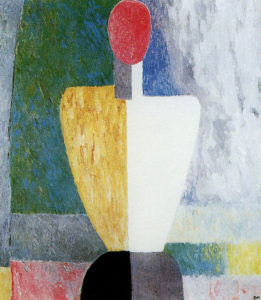
    Опубликовано в Южное сияние №1, 2022

  • Baranoff-Rossiné né à Kherson en 1888

    Le célèbre tableau de Vladimir Baranoff-Rossiné Les copeaux, qui se trouve au MNAM, n’est pas de 1910 comme semble l’indiquer la date inscrite sur le tableau où la date a visiblement été « grattée ». Dans le mémo que l’artiste a écrit en 1925 sur sa production artistique principale depuis 1911, l’œuvre est bien de la période abstraite à Kherson autour de 1919-1920. J’ai traduit ce mémo où parfois le peintre ukrainien mêle les lettres latines et les cyrilliques… Notons qu’il date de 1913 ses contre-reliefs, avec les Symphonies N° 1 et N°2
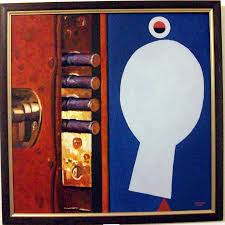


  • DOUBOVYK OU LA PEINTURE EN ACTION MÉTAPHYSICO-POÉTIQUE

    -CAT16

    DOUBOVYK OU LA PEINTURE EN ACTION MÉTAPHYSICO-POÉTIQUE


    L’oeuvre picturale opulente d’Alexandre Doubovyk a connu une première large reconnaissance à partir des années 1990, qui ont vu la chute de l’URSS et l’indépendance de l’Ukraine. Cependant son travail créateur avait commencé à se manifester de façon originale dès les années 1960, c’est-à-dire après un certain « dégel » qui a suivi la mort de Staline en 1953 et il est devenu d’une totale originalité dans les années 1970-1980, portant la griffe inimitable de l’artiste ukrainien : espace construit, sujets énigmatiques, polychromie totalement idiolectique.

    Face au réalisme socialiste alors dominant dans les années 1950-1960 et ne souffrant pas de déviation « formaliste », Doubovyk bâtit, dans une totale liberté créatrice, un monde d’une richesse inouïe.

    Son oeuvre coïncide avec ce que l’on appelle, mal selon moi, le « Postmodernisme ». En réalité, il s’agit d’une nouvelle modernité, héritière de toute une série de mouvements avant-gardistes depuis le début du XXe siècle où dominent conceptuellement l’Abstraction (lyrique, néo-plastique, sans-objet) et picturologiquement la libération de la couleur (impressionnisme, fauvisme), la construction géométrisante (cubisme, purisme, constructivisme), la libération de la ligne (Art Nouveau, primitivisme), le sur-réel (alogisme et supronaturalisme malévitchiens, surréalisme européen). Ainsi, l’artiste de la seconde moitié du XXe siècle vit sur un héritage. Et les nouveaux mouvements, comme l’Action Painting, le Minimal Art, l’art informel, l’art brut, l’art conceptuel, l’Arte Povera et les performances ne font que porter à leurs conséquences maximales des éléments partiels de tel ou tel mouvement, un peu comme les sectes religieuses qui privilégient dans les Écritures quelques passages dont ils gonflent l’importance et érigent en nouveau dogme…

    Doubovyk est lui aussi un héritier et il assume pleinement cette situation, ne cherchant pas, selon les conceptions européo-centristes freudiennes, à « tuer le père ». Il n’appartient à aucun groupe[1] et prendra ce qui paraît indispensable à sa « nécessité intérieure » et le reconstruira, comme Malévitch y avait invité les novateurs dans les années 1920, en particulier à l’Institut d’art de Kiev en 1928-1930[2]. Toute l’oeuvre de Malévitch est, en effet, fondée sur ce principe poïétique reconstructeur. Il ne s’agit pas de « copier » des modèles, mais de tirer, à partir de structures formelles et des spécificités coloristes existantes choisies, des quintessences nouvelles correspondant au Kunstwollen personnel de l’artiste. Ce n’est pas un hasard si Doubovyk a consacré un texte extraordinairement pénétrant au « Palimpseste ». Il y parle de la vie comme d’un jeu constructif, en citant la παιδεία (paideía), l’éducation des enfants, dans le Livre VII (803c) des Lois de Platon[3]

    D’où chez Doubovyk cet attrait pour le palimpseste qui permet de jouer avec les diverses strates des objets et des faits de la vie. Et l’artiste ukrainien ajoute une dimension cosmique confucéenne au ludisme platonicien, toil »Palimpseste de l’esprit » :

    « Un homme est mesuré non pas des pieds à la tête, mais de la tête aux cieux »[4]


    ANNÉES 1960


    Les toiles des années 1950-1960 sont encore figuratives mais bousculant les codes du réalisme socialiste qui était la norme officielle alors en URSS. Ces toiles ont déjà des structures et des motifs que l’on retrouvera dans la création non-figurative de l’artiste à partir des années 1970.

    Parmi les autoportraits des années 1950, celui de 1953 est, certes réaliste, mais sa quasi-monochromie noire avec la seule tache de lumière mêlant ténébrisme et luminisme a de mystérieux accents caravagesques.  Quant à l’Autoportrait de 1958 (le peintre a 27          ans), il est un clin d’oeil vers le style moderne, c’est comme un rêve émanant de son cerveau : on aperçoit la silhouette d’une célèbre toile de Nestérov qui se trouve au Musée national russe de Saint-Pétersbourg, représentant la fille du peintre Olga. L’Autoportrait de 1968, donc dix ans plus tard, entouré d’une floraison qui sature le fond de la toile renvoie déjà au style fauviste primitiviste du Valet de carreau, à la Machkov. On le voit, l’artiste ukrainien « apprend » encore chez les grands anciens, mais ne les copie pas et déjà sa spécificité et son originalité se font voir de façon déterminée.

    Le format des compositions de cette époque est relativement grand. La création de Doubovyk, a dès le début, le sens et le souci de l’espace, ce qui sera une constante dans l’ensemble de sa production jusqu’à aujourd’hui. Cet espace est construit. Dans cette période de recherche, de la fin des années 1950 aux années 1960, même si l’on sent encore une hésitation dans le choix des référents, le peintre ukrainien montre déjà une forte personnalité comme cela se voit dans une toile déjà très construite comme Les physiciens-atomistes (1963), ou bien L’Opération (1965), Piquet de grève (1966), Wernigerode (1968 et 1970), voire les toiles alliant la souplesse des lignes, les plans plus géométriques et une légèreté décorative primitiviste – Portrait de mon frère, L’aube (1962), Poupée(1965), Amsterdam (1970) ; cela est caractéristique aussi des paysages nordiques qui révèlent une connivence coloriste avec la meilleure peinture finnoise :  Le lac Ladoga (1953), Carélie (1958) Paysage (1968), cela s‘allie également, dans des oeuvres comme Oïkoumène (1963), Îles lointaines (1969), Le lac Ladoga (1967), Tranquillité (1970), à une  cosmicité originelle des formes. Ces éléments de décorativisme primitiviste sont particulièrement présents dans Portrait de M. Jouravel’(1966), dans La fillette au cerceau ou le magnifique Portrait d’Irina.


    DU RÉALISME POÉTIQUE AUX CONSTRUCTIONS POLYCHROMES


    À partir des années 1970, on voit déjà l’affirmation par Doubovyk de son individualité exceptionnelle. Tous les éléments des cinquante années ultérieures de travail sont déjà là.

    Ce que Doubovyk retient de l’art construit, c’est une abstractisation du cubisme historique, en somme une géométrisation abstraite des éléments picturaux, par exemple dans Maison (1975). De plus, le traitement de la couleur, la polychromie triomphante de l’art doubovykien se situe dans l’héritage du suprématisme malévitchien et de l’art populaire ukrainien. Malévitch est souvent cité dans les écrits du peintre et on rencontre dans beaucoup d’oeuvres de Doubovyk un dialogue avec l’auteur des « Carrés » (voir, par exemple, Métamorphoses (1989, G-383-5-400 ; 199O, G-384-5-401,1991, G-385-5-402 et G-385-5-403) où les formes quadrangulaires s’ouvrent sur de nouveaux mondes formels et colorés comme dans la toile Carré noir, 1980). On a donc ici une nouvelle poétique qui s’empare des acquis d’un passé récent pour créer son propre système.

    Dans des oeuvres comme Clepsydre (1977), Harmonie (1975), la série des toiles intitulées « Signes » (fin des années 1970), Éternité (1978), Orgue (1979), Arche (1978), Nirvana (1989), Souvenir de Poitiers (1992), les Peintures murales de Notre-Dame des Anges à Berre-les- Alpes (1996), l’espace est construit comme une architecture.

    La verticalité donne un caractère monumental à ces images qui disent l’intemporalité. Ce n’est pas un hasard si sa première monographie de 2005 commence par un article intitulé « Chronique de l’espace » :

    « L’espace détermine la place d’un certain tout – dans la variété cosmique où est réalisée la cinquième dimension – l’éternité. »[5]

    La verticalité, c’est la vie, l’envolée dans le cosmos, comme on peut l’admirer à partir du début des années 1990 dans la série des Triomphateurs (un des plus beaux exemples est Le Triomphateur de 1991 qui a fait l’objet d’un timbre de la Poste nationale d’Ukraine en 2019). Ce sont les êtres et les choses au coeur de l’infini universel. On trouve un exemple de ces éléments dans le tableau Vol dans l’espace (1976).

    On remarque aussi, dès les premières oeuvres de l’année 1970, où la verticalité est dominante, que celle-ci s’inscrit sur de larges bandes rectangulaires qui rythment horizontalement le quadrangle de la toile, comme une métaphore abstraite de la terre et du ciel, de la mer et du ciel.  Ainsi, des gouaches de la série « le Grand Conseil » 1992, – G-082, G-085), Anniversaire (1993, J-020), Espace (1994), Méditation (1996).

    Cela a été particulièrement développé dans la peinture occidentale après la Seconde guerre mondiale. Réinterprétant sans doute beaucoup de paysages de l’âge d’or hollandais, voire du peintre romantique allemand Caspar David Friedrich, organisant la surface picturale en deux segments signifiant la terre et le ciel, ou encore dans les bandes horizontales du « supronaturalisme » de Malévitch à la fin des années 1920 et au début des années 1930, les artistes occidentaux de la seconde moitié du XXe siècle ont poursuivi cette abstractisation de ces larges rayures. Nicolas de Staël a magistralement exploité ce procédé, comme Rothko chez qui cette double-triple segmentisation de la surface picturale culminera dans la duplication noire-grise des dernières toiles de 1969. La toile de Doubovyk Espace(1993) est paradigmatique de cette poétique : la séparation du ciel et de la terre est dominée sur la bande supérieure par un cercle qui est comme la métonymie du système solaire de l’Univers tel que l’homme peut le percevoir. Le peintre a lui-même donné des clefs mystiques et spirituelles de cet équilibre qu’il établit entre l’horizontalité et la verticalité[6], incarné dans le monde mystique et spirituel de façon différente que chez Mondrian qui, lui, procède par équivalents sémiologiques minimalistes du réel, alors que la poétique de Doubovyk utilise un vocabulaire abstrait pour dire le monde dans sa complexité

    Notons ici, en ce qui concerne la conception spatiale doubovykienne, la prédilection pour les toiles carrées, encore un signe de connivence avec Malévitch. Le carré est une fenêtre qui ouvre sur la vie, elle est un microcosme métonymique du macrocosme universel.

    Aux éléments constructivo-suprématistes s’ajoute, dès le début, une fascination pour le sur-réel, mais sans que l’artiste ne se laisse jamais entraîner dans les interprétations freudiennes européennes. Un tableau comme La clepsydre de 1977 est une mythification de l’antique horloge qui mesurait le temps par l’écoulement de l’eau à travers son appareillage. Doubovyk en fait un paysage mystérieux, quasi iconique, avec la perspective inversée du temple d’où apparaît l’eau, tandis qu’une énorme flèche rouge vise deux petits nuages et une bannière ornementale en mouvement de dépliement. Cela pourrait passer pour un clin d’oeil du côté du meilleur Magritte avec lequel le peintre ukrainien montre une affinité dans son appétence pour la grande philosophie et les pensées magiques. Le dialogue avec Magritte est frappant dans une toile comme Trapéza (2001), mais le peintre ukrainien reste fidèle à une structure strictement architectonique. Si, de toute évidence, Doubovyk n’est pas « idéologiquement » proche du surréalisme européen, comme nous le dirons plus loin, on constate des corrélations formelles avec ce qui est de meilleur dans ce mouvement : outre Magritte, c’est avec Max Ernst que le peintre ukrainien se confronte dans plusieurs œuvres des années 1990 : les gouaches de la série « Le Grand Conseil » (1992, G-O77, G-078, G-080, G-083, G-086, G-087, G-088), Méditation (J-023), Triomphateur ( 1995) sont des masses qui sont à la fois surface et profondeur, dans « la région frontière du monde intérieur et du monde extérieur »[7]. Des toiles comme le diptyque Le Duel (2000-2010) voient les masses esquisser un mouvement dansant en efflorescences.

    TOTEMS ET FLORALIES PICTURALES

    Un autre vecteur poétique se manifeste chez Doubovyk dès les années 1970, c’est la tendance à « totémiser » les éléments formels géométrisés. Cela se voit particulièrement, par exemple, dans la toile Mirage (1977). Dans une poésie de 2014, le peintre dit :

    « Avec un délice renouvelé

    Se dresse un mirage dans un désert »[8]

    Dans Mirage ou Tables de la loi (1977) apparaît le motif abstrait d’une forme arrondie, formant un seul pictogramme avec une courte colonne. Cela ressemble à un visage sans visage, un peu comme celui des personnages énigmatiques de Malévitch autour de 1930. En fait, nous voyons au cours de toute sa création ultérieure que ce pictogramme devient pour l’artiste ukrainien sa marque de fabrique, sa « mascotte », ayant une valeur polysémique, qu’il résumera dans l’idée de bouquet, ce Bouquetdont il avait nommé une toile de 1965. Tantôt stylisé, tantôt flamboyant (Carnaval, 1987, Carnaval, 1991, Anniversaire, 1993, J-021), réceptacle de tout un monde (Hollande,1971), il aboutit à ce signe abstrait, qui à côté des cercles concentriques et des carrés (Tables de la loi, 1977 (Les fêtes,1979), sont des éléments essentiels du vocabulaire formel du peintre. L’on sait que les roses ont des épines et que la vie n’est pas sans épines : peut-être c’est ce que nous dit la belle toile Bouquet d’épines (2005)

    Dans ses écrits, Doubovyk rejette plusieurs tendances de la modernité. En 2011, il reproche à l’art contemporain d’avoir « perdu l’énergie », d’être « un art d’impotents »[9]. Et d’affirmer :

    « La vie est énergie. La surface plane du tableau est un champ magnétique »[10]

    Il se dresse contre l’ascétisme formel et coloré, contre l’obscurité, mais pour l’hermétisme, contre le freudisme et contre l’idée que l’art est « marginal ; il refuse autant tout nationalisme étroit que le « sur-art » partout et sans frontières (Beuys) ; Il est pour le tableau, pour l’individualité créatrice, pour l’éthique.[11]  Et de proposer :

    « Créer un totem contemporain, des figures et des formes capables d’incarner un maximum de contenu de la conscience et de la foi humaines, celles des idées traditionnelles les plus importantes et les plus stables, un certain centre unifié de la force ‘magique’ en tant que garantie d’un accord et d’une compréhension mutuelle entre les humains ».[12]

    Dans ce « totem contemporain » où Doubovyk voit le vrai visage de son art jusqu’à aujourd’hui, le bouquet, n’a cessé de subir des transformations à partir de sa structure immuable, idéographique ou pictographique, pourrait-on dire. Il se retrouve dans un très grand nombre de tableaux, tel un leitmotiv musical. Dans cet archétype est contenu l’Univers dans sa multiplicité formalo-colorée. Il est un embryon conceptuel de toutes les possibilités d’effloraisons picturales, un germe (Bouquet, 1966, J -042-5-009). Ce « Bouquet blanc » est « le symbole de la Dimension Humaine, c’est le Tao de la singularité. Ce symbole est tourné vers le futur »[13] .

    Dans Bouquet coupé (1974) il est scindé en deux hémisphères « cervicaux » avec une face sombre et une claire, une qui a besoin d’éclairage et l’autre qui est naturellement, spontanément, source de vie. Ici est magnifiée cette « esthétique florale » que Malévitch décelait chez Fernand Léger, mais qui chez Doubovyk est conditionnée non seulement par le substrat plastique de la peinture d’icônes, mais également par l’incroyable richesse de l’art populaire de sa patrie. Cela est magnifiquement représenté dans la gouache intitulée Ukraine (1995). C’est dire que la « floralité » doubovykienne fait exploser les constructions strictes dans un feu d’artifice coloré. En cela il est unique dans l’abstraction coloriste du XXème siècle. Selon moi, une Sonia Delaunay, qui nous a dit que sa mémoire picturale avait sa source dans la polychromie du monde ukrainien de sa petite enfance, pourrait ici être invoquée, mutatis mutandis, pour cette féérie coloriste. Mais, évidemment, la picturologie de Sonia Delaunay est tout à fait autre que celle de Doubovyk, elle est plutôt du côté musical que du côté architectonique. Et puis elle ne recherche pas, comme le fait Doubovyk, de nouveaux dialogues sémantiques, ni de nouvelles réinterprétations des modes picturaux.


    PALIMPSESTE ET LUDISME


    De là l’importance chez Doubovyk de deux éléments propres à sa poétique : le palimpseste et le jeu, comme nous l’avons brièvement mentionné plus haut.

    Ce n’est pas un hasard si le peintre ukrainien a choisi comme un des paradigmes essentiels de sa création cette métaphore désignant une surface (parchemin, manuscrit ou tablette) où l’on a écrit un texte nouveau sur un texte effacé. Écrire, c’est peindre en grec, en ukrainien, en russe, comme en chinois. « L’oeuvre de Doubovyk est un palimpseste » a écrit le critique ukrainien Alexandre Soloviev[14]. Les connaissances de l’artiste sont très érudites comme en témoignent ses écrits, traités et pensées. Cela lui permet de faire dialoguer le présent avec le passé occulté. Plusieurs toiles du début des années 2000 s’appellent Dialogue, Duel ou Labyrinthe. Écoutons l’artiste :

    « L’essence du palimpseste est l’insatisfaction du présent et la quête de la révélation […] Nouvelle lecture d’un texte usé […] Apparition d’un nouveau sens et d’ »une nouvelle énergie ».[15]

    Le palimpseste est « une sape de la conscience« , « la combinaison et la confrontation des images, des faits, des symboles, des nanotechnologies et des strates archaïques de la conscience sur une multitude de niveaux »[16].

    Le palimpseste n’est pas celui qu’il trouve en Europe lorsqu’il visite à Francfort le 1er septembre 2011 l’exposition de Francisco Clemente, justement intitulée « palimpseste » :

    « Des pigments de couleurs mélangés à l’urine. J’éprouve alors une rupture : l’art contemporain donne une sensation d’ennui, de je ne sais quoi de perpétuellement vu et revu depuis longtemps ».[17]

    Ainsi, le dialogue est un thème favori des toiles doubovykiennes, il est aussi à l’oeuvre dans les palimpsestes qui confrontent présent et passé. Il y voit, en partie, une référence à la conception byzantine qui rejette « le ” moi ” au profit de ” l’au-delà du moi ”, c’est-à-dire de l’esprit. D’où les dialogues, d’où la verticalité en tant qu’axe autour duquel cet esprit mène sa ronde. Structure permanente. »[18]

    Les juxtapositions, les mises en abyme, les symboles qui sont « une zone-tampon entre le monde humain rationnel et le chaos, l’inconnaissable »[19], sont le fruit d’un des vecteurs essentiels de la poïétique de Doubovyk, le jeu. Nous avions noté au début que l’artiste ukrainien se réfère explicitement au passage du VIIème Livre des Lois de Platon où le philosophe grec affirme que le jeu fait partie de l’éduction de tous les citoyens, des artistes, des soldats et des philosophes :

     « Je dis qu’il faut s’appliquer sérieusement à ce qui est sérieux et non à ce qui n’est pas sérieux; que par nature la divinité est digne de tout sérieux marqué de bonheur, mais que l’homme […] a été fabriqué comme un jouet de la divinité, et que cela constitue du point de vue de son être ce qu’il y a de meilleur en lui : c’est donc en se conformant à ce mode d’être, en jouant aux plus beaux jeux possibles, que tout homme et toute femme doivent ainsi passer leur vie.[20]

    Après Platon, la pratique ludique dans tous les arts et la littérature sur le jeu sont très abondantes. Je me contenterai de mentionner quelques faits qui situeront la création de Doubovyk dans cette ligne universelle. En 1938, le savant hollandais Johan Huizinga fit paraître un essai pionnier intitulé Homo ludens, où il montre les dimensions esthétiques du jeu :

    « Les termes dont nous pouvons user pour désigner les éléments du jeu, résident pour une bonne part dans la sphère esthétique. Ils nous servent aussi à traduire des impressions de beauté : tension, équilibre, balancement, alternance, contraste, variation, enchaînement et dénouement, solution ».[21]

    L’art partage avec le jeu social son total désintéressement par rapport à l’utilitarisme : comme lui, il est gratuit et improductif. Les deux participent à la « cérémonialisalition » symbolique, permettant de combler l’angoisse existentielle que provoque le mystère du monde et de l’homme. Celui-ci a depuis toujours, afin d’assurer un équilibre par rapport à sa vie laborieuse, institué le jeu, depuis le jeu sacré liturgique jusqu’à la carnavalisation de la vie que le théoricien de la littérature russe Bakhtine a érigé en catégorie universelle à partir de la vie et de l’oeuvre de Rabelais.

    L’instinct ludique, le Spieltrieb de l’homme, a été affirmé dans l’esthétique de Schiller, pour laquelle le jeu est toujours authentique dans la mesure où il est libéré de toute exigence de réalité.[22]

    Et on ne saurait oublier que le peintre, designer, poète, penseur Alexandre Doubovyk est du même pays que le premier philosophe religieux slave Skovoroda, platonicien, quoi qu’en ait dit le grand phénoménologue kiévien Goustav Chpet[23].  Hryhoriy Skvoroda parle de choses sérieuses en s’amusant, avec joie. Il revendique l’amusement – en ukrainien, zabava ; les Grecs nommaient   diatribe les jeux rhétoriques sur l’agora chez Aristophane ; en vieux-slave il y avait le gloum, la plaisanterie… Toutes ces formes ludiques sont la « cime (la corypha), le sommet, la fleur et le grain de la vie humaine ».[24]. Dans une dédicace à son ami Kovalinski, le penseur ukrainien écrit :

    « Beaucoup demandent : mais que fait donc Skovoroda ? À quoi s’amuse-t-il ? Eh bien, moi je suis dans la joie en parlant du Seigneur. Je suis dans la gaîté en parlant de Dieu mon Sauveur […] n’est-il pas vrai que chacun chérit son propre amusement ? »[25]

    Je note aussi que l’Ukrainien Malévitch n’hésite pas à faire des comparaisons humoristiques dans tous ses écrits, voire dans l’appellation de certains tableaux suprématistes… J’ai pu parler de « l’humour grave » malévitchien face aux « gamineries sérieuses » de Marcel Duchamp…

    Enfin, encore pour rester dans le domaine ukrainien, je mentionnerai le philosophe ukrainien contemporain Konstantine Sigov a mené depuis la fin des années 1970 ses recherches scientifiques sur le jeu, ce qui a abouti à son livre Le jeu comme problème de l’anthropologie philosophique, paru à Kiev en 1991.[26]

    Donc Alexandre Doubovyk s’inscrit bien dans un vecteur éthologique propre à son pays, mais qui, évidemment, se retrouve dans d’autres cultures. Platon, dont se réclame Doubovyk, a donné les bases comportementales philosophiques à beaucoup de penseurs ou d’artistes. Je ne citerai ici que Nietzsche qui voulait faire danser les idées (voir Die fröhliche Wissenschaft – le Gai Savoir). Ou encore Robert Delaunay[27], sans parler de Picasso ou d’Alexandre Calder[28]

    Bien entendu, la poétique d’un Calder et celle de Doubovyk sont totalement différentes. Mais la volonté ludique a mené ces artistes à ne pas se limiter à un seul genre pictural. L’art de Doubovyk est également polyvalent. L’artiste a travaillé dans le domaine de la mosaïque, des vitraux, de la tapisserie, de la peinture murale, de la mise en forme de livres, de l’agencement d’intérieurs. Ses propres albums sont à eux seuls des chefs-d’oeuvre, ils sont des oeuvres d’art total, des Gesamtkunstwerke, mêlant l’écriture cursive, le collage, la peinture. Ces Cahiers sont le journal intime d’un peintre, d’un designer, d’un poète et d’un penseur (ils sont plus de 50), où sont entremêlés des collages de toutes sortes d’objets, des découpages, des reproductions, des réflexions, des peintures personnelles. C’est un témoignage capital pour les futurs auteurs de monographies et de biographies sur l’artiste, car ces journaux portent un témoignage passionnant sur ses pensées, ses intérêts, son rapport au monde et à l’art au cours des années.

    Par exemple, l’album Le Bloc-notes 25 d’août 2011 à janvier 2012 est une magnifique enluminure moderne qui témoigne de l’invention joyeuse de l’artiste, met en scène ses pensées, ses intérêts artistiques, ses leitmotivs, en utilisant le collage de coupures de journaux ou de livres, les graffiti. Le peintre nous livre la signification de ces bloc-notes :

    « Ces travaux sont un total artefact qui ne s’achèvera jamais, qui est devenu un ”herbier”, un rassemblement et un déploiement de pousses, de codes, de signes, toujours nouveaux et d’interprétations des fragments d’espace et de temps dans la conception du palimpseste. »[29]

     Il y a dans ces enluminures un côté bande dessinée et filmographique Là aussi on note un certain goût pour le baroque qui peut coexister avec le caractère construit dominant. J’y vois pour ma part une ligne qui est très présente dans l’art ukrainien de façon générale (je pense, par exemple dans la peinture du XXème siècle, à la Kiévienne Alexandra Exter).

    Et la petite merveille qu’est le livre Bouquet de 2019 fait alterner les poésies de l’artiste sur une page avec des graphismes de figures humaines construites comme des totems assyriens qui auraient traversé les théâtres grec, élisabéthain, japonais et les symphonies hiéroglyphiques de Kandinsky. Ce sont de somptueux acteurs aux atours les plus variés d’un théâtre féérique où l’on devine les passions, les émois, les tristesses, les jubilations. Ces figures sont tantôt des autoportraits, tantôt des idoles humaines, hommes et femmes ; ils sont          aussi les silhouettes somptueuses de personnages bibliques, tels qu’ils apparurent dans l’art doubovykien,  par exemple, dans le triptyque Prophète  (1989) ou dans Dialogue (1998, G. 093), voire des apparitions d’un autre monde (Fantômes,  1990, G-065) Il s’agit également d’un journal intime poético-pictural qui met en scène les épisodes heureux, rêvés, réels, les doutes, la vie et la mort, l’éternité. On assiste à un merveilleux dialogue entre une poésie de haute volée et un dessin symphonique.[30]


    ALOGISME ET SURRÉALITÉ


    Ce festival ludique s’est aussi traduit dans l’évolution de l’art de Doubovyk.

    Abstrait et non figuratif pendant les trente dernières années du XXème siècle, il aborde le XXIème siècle en faisant dialoguer le sans-objet et l’objet, l’abstrait et le figuratif. L’artiste se met lui-même en scène dans une théâtralité ludique comme en témoigne une toile comme Bonjour, M. Doubovyk (2001) où l’on voit une surface carrée partagée en deux rectangles verticaux, l’un noir, l’autre bleu. Sur le rectangle noir – une masse informe, une idole fantastique colorée, sortie d’un songe, d’où le peintre, enveloppé dans une toge multicolore, sur le rectangle bleu tire des formes élémentaires. C’est le jeu du créateur faisant apparaître des formes et des couleurs de l’inconscient, voire du subconscient, voire de l’informe chaotique….

    On constate cette même confrontation de l’homme avec autre chose que lui dans Rencontre sur un sentier de montagnes (2001), et dans Ce qui se tient derrière la porte (2001) un personnage à la bougie, sorti d’un tableau de Georges de La Tour, essaie de pénétrer les secrets de l’au-delà des choses.

    À partir de l’an 2000, l’élément « surréaliste » se fait plus rémanent dans l’art doubovykien. Mais, évidemment, ce n’est pas un surréalisme de type européen, nous le verrons. Cependant, désormais la stricte géométrie suprémo-constructiviste est confrontée à l’image dans des configurations bizarres, a-logiques, énigmatiques. J’ai déjà noté plus haut le dialogue de l’artiste ukrainien avec Magritte, voire Max Ernst, dès les années 1990. Il se poursuit au XXIème siècle. Par exemple, un tableau comme Contemplation d’un clou (2000) fait coexister un objet utilitaire (un clou) et un quadrilatère suprématiste d’où sort un « bouquet » de fleurs. On voit ici une nouvelle interprétation du célèbre tableau magrittien La trahison des images. Ceci n’est pas une pipe (1918-1924). Le problème a été réglé par Magritte, dans un premier temps – à savoir que l’objet utilitaire perd son statut utilitaire dans sa transposition picturale et, plus profondément, en mettant en question une aporie de l’art, à savoir celle de la possibilité ou non de faire voir l’objet, ce qui serait une proximité, selon Bernard Marcadé, avec « l’indicible », chez Wittgenstein [31]:

    « Entre peinture et pensée l’ambition déclarée de Magritte aura été de faire tenir son art à l’intersection de  l’invisible et du visible, dans une position d’impossible possible« .[32]

    Un pas supplémentaire est fait par Doubovyk dans cette problématique : le peintre ukrainien projette le spectateur tout de suite, non dans une représentation photographique de l’objet utilitaire, mais dans sa reconstruction picturale ; la confrontation n’est plus uniquement conceptuelle comme chez Magritte, elle est immédiatement formalo-colorée et n’a pas besoin d’une explication théorico-philosophique. D’autre part, la forme désignée comme « clou », à cause de sa structure pointue, peut être conçue comme symbole d’énergie, de confrontation, de pénétration, de cassure, dans d’autres tableaux (Voir, par exemple, Pérélomléniyé, Prophète, 1990).

    Il est évident que Doubovyk dialogue avec seulement une partie de l’oeuvre de Magritte, comme d’ailleurs avec le surréalisme européen. Un artiste ukrainien crée en ayant comme substrat la         pensée picturale des icônes, voire du suprématisme, il répugne à toute physiologie exhibitionniste, en particulier érotique, dont se nourrissent les Occidentaux dont le substrat conceptuel est le prétendu pansexualisme freudien. En Ukraine, comme en Russie, l’élément « surréaliste » est représenté par l’alogisme malévitchien, la transmentalité (la zaoum) des cubo-futuristes des années 1910. Sur le plan de l’iconographie-iconologie, on peut considérer sans aucun doute des poètes comme Khlebnikov ou Kroutchonykh, des peintres comme Kandinsky, Filonov, Chagall, Pugni ou Malévitch comme annonçant le dadaïsme et, en partie, le surréalisme. Mais leur philosophie de l’art et de la vie est éloignée aussi bien du négativisme métaphysique que de la profession du pansexualisme et ne saurait guère entrer dans le courant vivant du Surréalisme. Il en est        ainsi de la création doubovykienne qui est plus surréelle que surréaliste.

    Cela ne veut pas dire que les peintres russiens ignorent l’érotisme, mais celui-ci n’est pas dans une mise en valeur voluptueuse de la palpitation de la peau nue ou dans l’agressivité de la représentation sexuelle comme en Occident, mais est une transfiguration spirituelle, primitiviste chez Larionov, symbolico-cathartique chez Malévitch, « iconique » chez Tatline. Chez Doubovyk, dans une très belle œuvre comme Envol, (1971) la transfiguration est florale, comme chez sa compatriote Maria Siniakova. Dans Envol, l’énergie sexuelle fait léviter la femme dans une blancheur immaculée (celle du linge et celle de son corps) en immersion dans un parterre de fleurs et de plantes. Ce même « érotisme floral » se retrouve dans une toile comme Ève (1998) ou dans le série dеs « Odalisques ».

    Les textes philosophiques et théoriques de Doubovyk montrent une prodigieuse érudition et doivent être étudiés à part. Ils sont un des plus beaux fleurons de la littérature d’art et philosophique, écrite par les artistes eux-mêmes, depuis Du Spirituel en art de Kandinsky au début du XXe siècle. Doubovyk est imprégné de la pensée universelle et l’on rencontre dans ses écrits des références, entre autres, à Platon, Kant, Spengler, Heidegger, Jaspers, Wittgenstein, Barthe, Paul Valéry, Jéguine, mais aussi aux savants comme Niels Bohr ou Einstein, mais aussi à l’éthologue John B. Calhoun, à la pataphysique, à la littérature ésotérique (Gurdjieff, Dion Fortune), à la pensée aléatoire, pour ne citer que quelques noms dans cette somme encyclopédique que représentent les écrits doubovykiens. Professant ne pas être « contemporain », il montre dans sa création sa pleine contemporanéité :

    « Tous mes ”dialogues” sont des dialogues non-dits sur ce qui est inexplicable, qui contredit fondamentalement à l’idée de dialogue, où est proclamée son ”impossibilité”[33]


    Ainsi l’oeuvre de Doubovyk n’a pas d’équivalent dans l’art universel du dernier quart du XXe siècle jusqu’à aujourd’hui. Elle fait coexister abstraction, symbolisme et sur-réel, le tout baignant dans une polychromie éblouissante.


    [1] Pour justifier sa non appartenance à un groupe, Doubovyk cite les paroles du Gascon d’Artagnan dans Les trois mousquetaires (chapitre XI), quand le cardinal Richelieu cherche à lui faire quitter les mousquetaires du Roi pour rejoindre ses propres gardes : « Je serai mal venu ici et mal regardé là-bas si j’acceptais ce que m’offre Monseigneur »

    [2] Cf. Kazymyr Malévytch i Kyïevs’kyï  Aspekt/Kazimir Malevich Kyïv 2019 Aspect (éd. Tétyana Filevska), Kiev, Rodovid, 2019

    [3] Doubovyk, « Palimpsest [Le Palimpseste] », in Doubovyk, Kyïv, 2005, p. 123

    [4] Ibidem, p. 220

    [5] Doubovyk, op.cit., p. 8

    [6] Doubovyk, « Horyzontal’ – Vertykal’ », in Doubovyk, op.cit. , p. 195-198

    [7] Max Ernst, « Qu’est-ce que le surréalisme ? » in catalogue Max Ernst, Saint-Paul, Fondation Maeght, 1983, p. 104

    [8] Alexandre Doubovyk, Slova [Des mots], Kiev, Sofiya-A, 2019, p. 187

    [9] Alexandre Doubovyk, 25. Faksimil’naya kopiya bloknota Alexandra Doubovyka (avgoust 2011-yanvar »2012), op.cit., p. 9

    [10] Doubovyk, op.cit., p. 7

    [11] Voir Alexandre Doubovyk, Slova, op.cit., p. 147

    [12] Ibidem

    [13] Alexandre Doubovyk, 25. Faksimil’naya kopiya bloknota Alexandra Doubovyka (avgoust 2011-yanvar »2012), op.cit. (préface)

    [14] Doubovyk, op.cit. , p. 6

    [15] Alexandre Doubovyk, Slova, op.cit., p. 145

    [16] Ibidem, p. 149

    [17] Alexandre Doubovyk, 25. Faksimil’naya kopiya bloknota Alexandra Doubovyka (avgoust 2011-yanvar »2012) [25. Facsimilé du bloc-notes d’Alexandre Doubovyk [août 2011-janvier 2012], p. 9

    [18] Alexandre Doubovyk, Slova, op.cit., p. 143

    [19] Ibidem, p. 142

    [20] Platon, Lois, Livre VII, 803c

    [21] Johan Huizinga, Homo ludens. Essai sur la fonction sociale du jeu [1938], Paris, 1951, p. 30

    [22]  Le sociologue français Roger Caillois fit paraître en 1958 son essai Le jeu et les hommes, le masque et le vertige. Voir aussi la thèse de Danielle Orhan, soutenue à Paris1-Sorbonne en 2009, L’art et le jeu aux XXe et XXIe siècles ou du jeu comme modèle et outil de subversion

    [23] Chpet, qui n’est pas un penseur religieux, affirme, de façon polémique, que Skovoroda est avant tout un moraliste et que celui que l’on appelle le « Socrate ukrainien » n’a pas lu Platon ! Cf. G.G. Chpet, Otcherk razvitiya rousskoï filosofii [Essai sur l’évolution de la philosophie russe], in Sotchiniéniya, Moscou, 1989, p. 82-96

    [24] G. Skovoroda, « Dialog, ili razglagol o drievniem mirié » [Dialogue ou péroraison sur le monde antique] [1772], in Sotchiniéniya, Moscou, « Mysl’ », 1973, t. I, p. 295

    [25] Ibidem

    [26] Voir le dialogue mené avec Sigov et sa thèse sur le jeu par la poétesse et philosophe russe Olga Soudakova : « Pis’mo ob igrié i naoutchnom mirovozzrénii » [Lettre sur le jeu et la vision du monde scientifique], in Moralia, Moscou, 201O, p. 198-207

    [27] Voir Pascal Rousseau, « Robert Delaunay. Le Manège des cochons (1906-1922) (p)opticalisme », in Un texte, une oeuvre. Quatorze oeuvres du Musée national d’Art moderne, commentées (sous la direction de Denys Riout), Paris, Mimésis, 2020, p. 54-68

    [28] Cf. Jean-Claude Marcadé, « Artifex ludens », in Calder, Paris, Flammarion, 1996, p. 51-77

    [29] Alexandre Doubovyk, 25. Faksimil’naya kopiya bloknota Alexandra Doubovyka (avgoust 2011-yanvar »2012), op.cit. (préface)

    [30] Le peintre avait déjà expérimenté le jeu typographique entre sa poésie et les dessins hiéroglyphiques dans Slova, op.cit., p. 183-199

    [31] Bernard Marcadé, Magritte, Paris, Citadelles & Mazenod, 2016, p. 119-143

    [32] Ibidem, p. 142

    [33] Slova, op.cit., p. 142