Catégorie : De l’Ukraine

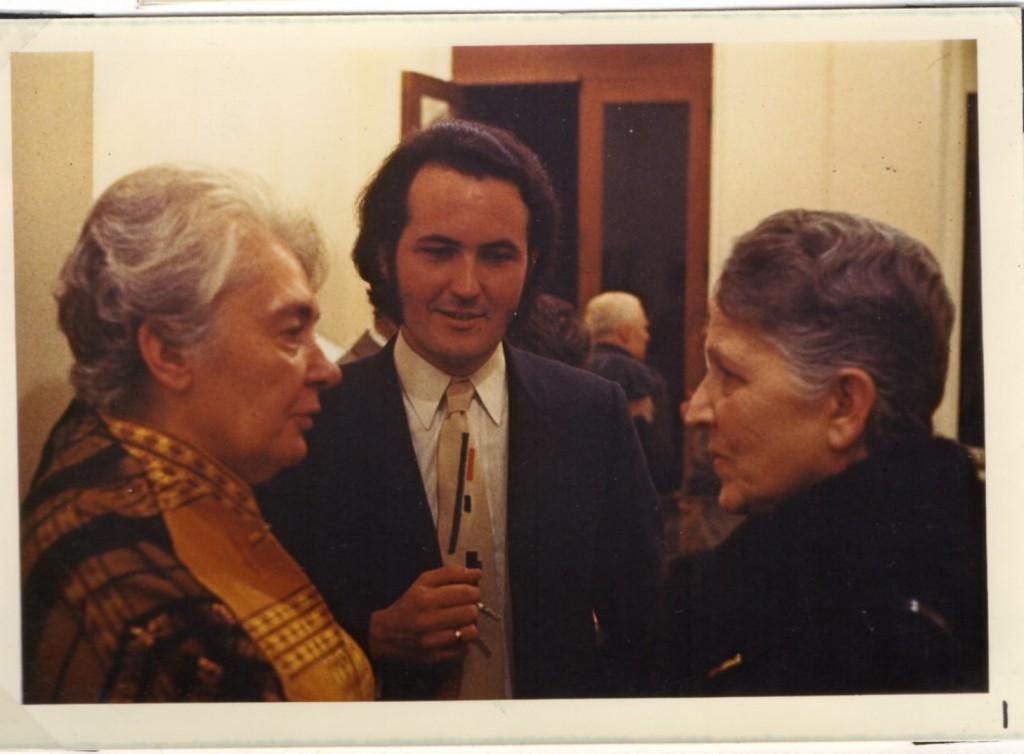
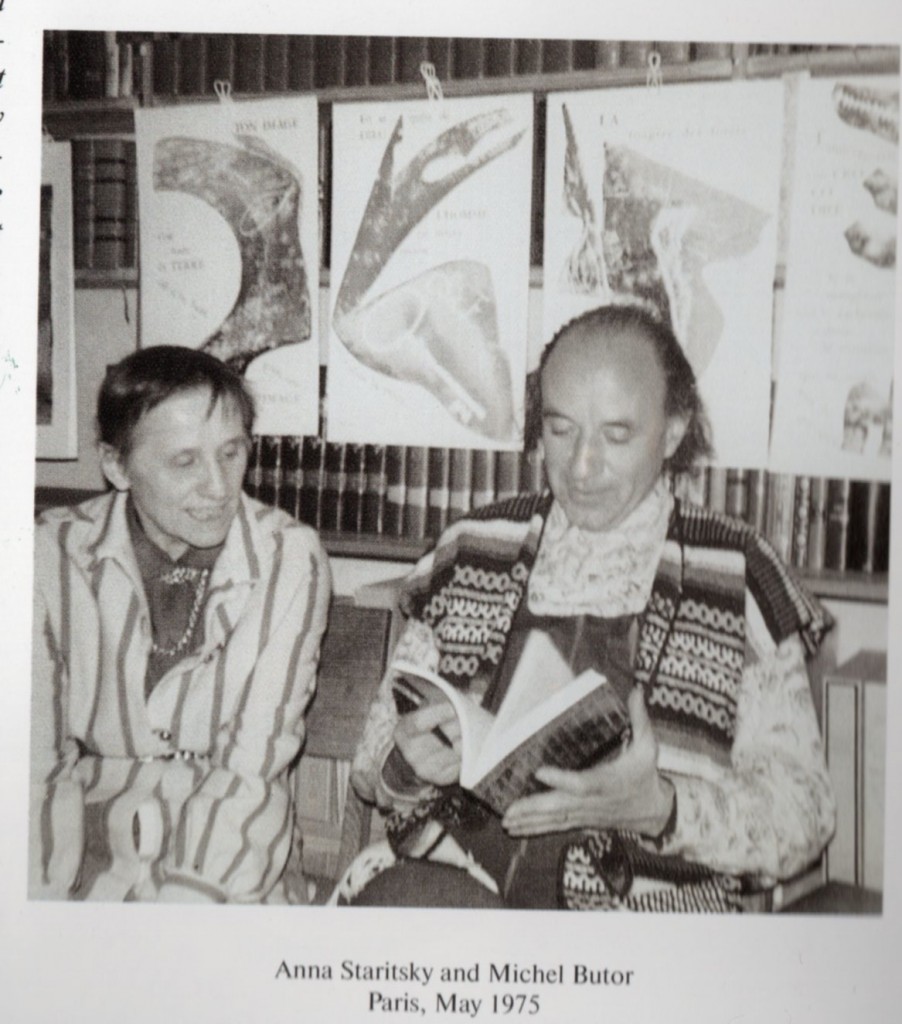
  • Michel Butor et Anna Staritsky

    Le grand poète, romancier essayiste, critique d’art Michel Butor qui vient de mourir a travaillé toute sa vie avec les artistes de toutes nationalités.

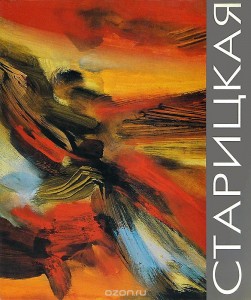
    Je voudrais ici mentionner son travail très riche avec l’artiste russo-ukrainienne Anna Staritsky sur laquelle le Musée national russe de Saint-Pétersbourg a publié  trois volumes en russe, anglais et allemand, 2000

    p. 55396

    1005572530-1

    Voir aussi :

    Reference : 200702575

    ‎STARITSKY] – [BUTOR (Michel), SICARD (Michel)]‎

    ‎Ania Staritsky. Matières et talismans. Entretiens sur l’oeuvre d’Ania Staritsky par Michel Butor et Michel Sicard. ‎

    ‎Paris, Jean-Michel Place, collection « Ecrivures », 1978; grand in-8, non paginé, broché, couverture illustrée. 1978‎

  • La paranoïa américaine sur Poutine (New York Times)

    America’s Dangerous ‘Putin Panic’

    Ivan Krastev AUG. 8, 2016

    SOFIA, Bulgaria — WILL Vladimir V. Putin, the president of Russia, elect the next president of the United States? My guess is not. But reading the avalanche of commentary about Russia’s alleged interference in American politics, one might think otherwise.

    It reminds me a bit of the Russian satirist Victor Pelevin’s absurdist novella “Operation Burning Bush.” The story follows a humble Russian English-language teacher, endowed with a powerful voice, who is recruited for a special intelligence operation: to speak with President George W. Bush through an implant in the president’s tooth. Following the Kremlin’s instructions, the teacher, pretending to sound like God, gives the 43rd president the idea to invade Iraq. Later in the novel, we find out that in the 1980s, the Central Intelligence Agency conducted a similar operation — this time posing as Lenin’s spirit to convince Mikhail Gorbachev to initiate perestroika, setting off a chain of events that ended with the disintegration of the Soviet Union.

    The C.I.A. didn’t actually do that, though it certainly engaged in its share of harebrained Cold War schemes. But in putting the two plots in contrast, Mr. Pelevin highlights the degree of paranoia that haunts Moscow — everything bad that happens in Russia is a result of an American covert operation. And while Mr. Pelevin wrote his story before the current American presidential campaign, it seems his point goes both ways.

    It’s hard to underestimate the extent of Russia’s anti-American paranoia. Russia’s leaders take it as an article of faith that the mass protests in Moscow in 2011 and 2012 were orchestrated from abroad, and that Ukraine’s Euro-Maidan revolution in 2013 and 2014 was generated with Western resources and inspiration. Even the declining price of oil is, to them, a C.I.A. plot.

    There’s a kernel of common sense in their madness. In an interdependent world where the borders between foreign policy and domestic politics are increasingly blurred, it follows that interference in the domestic politics of your adversaries — even your neighbors — is an easy and acceptable part of the game.

    Still, it is striking just how far the same conspiratorial thinking has permeated the West. Commentators see Mr. Putin behind everything from Brexit and the wave of euroskepticism in Western Europe to the rise of Donald J. Trump in America. As sweeping as the Kremlin’s faith in Western malfeasance is, so, too, is the West’s “Putin panic.”
    Every weekday, get thought-provoking commentary from Op-Ed columnists, The Times editorial board and contributing writers from around the world.
    Of course, as the joke goes, just because you’re paranoid, it doesn’t mean they aren’t after you. It makes sense that Mr. Putin wants Mr. Trump to be the next American president (though he should be careful what he wishes for). And Democrats have every right to be concerned about possible meddling by Moscow in their party’s internal politics.

    But it requires an astounding level of exaggeration to believe that Russian interference will decide the election, or that Russia would even try to. The Kremlin’s actions are more akin to a black-arts version of the “democracy promotion” that the United States undertakes in countries like Russia, funding liberal NGOs as a way of challenging Mr. Putin’s monopoly on power. Annoying, and concerning, but hardly a threat.

    The real problem is where the paranoia takes you. Western politicians and commentators are disturbingly eager to blame the impact of Russian propaganda or the manipulations of the Federal Security Service for the problems of our democracies. Mr. Putin obviously will benefit from Brexit, and may even have put a finger on the scale, but is that really the problem? And do we really believe that Mr. Trump’s xenophobic appeal would collapse overnight if the Kremlin put its power behind Hillary Clinton?

    What is disturbing with the “blame Putin” stance endorsed by serious Western politicians, analysts and news media outlets is that it makes the Russian leader appear omnipotent while making the rest of us seem impotent. Casting blame in Moscow’s direction prevents us from productively discussing the grave problems we face as societies, and simplistically reduces the uncertainties and risks of an increasingly interdependent world to the great powers rivalry. It neither helps us better understand Russia and the nature of its government, nor makes it easier for us to have effective policy vis-à-vis Moscow.

    Putin panic also unintentionally validates the Kremlin’s claim that Russia is strong and run by a great leader, at a moment when the Russian government fails to provide economic prosperity and social justice at home. It unwittingly amplifies Mr. Putin’s propaganda machine by fortifying Russia’s image as the world’s geostrategic ninja, disrupting elections and information networks without leaving a trace.

    A “blame Putin” message is not only a propaganda trap; it is also questionable electoral strategy. Recent Pew Research Center surveys show that while most Americans and Europeans view the Russian president negatively, Americans do not feel particularly threatened by Moscow. What generally worries them are terrorism, radicalized Islam, cyberattacks, job loss, cheap Chinese exports and, above all else, migration. The obsession with Mr. Putin only strengthens the Republican message that the Democrats are out of touch with the concerns of ordinary Americans. Mr. Trump is the candidate from hell, but our Putin obsession makes Mrs. Clinton look as the candidate from yesterday.

    In today’s crazy world, keeping America sane should be the next president’s top priority. Getting over our Putin paranoia will be a welcome first step at eroding Russia’s destabilizing international influence.

    Ivan Krastev is the chairman of the Center for Liberal Strategies, a permanent fellow at the Institute for Human Sciences in Vienna and a contributing opinion writer.

    Follow The New York Times Opinion section on Facebook and Twitter, and sign up for the Opinion Today newsletter.

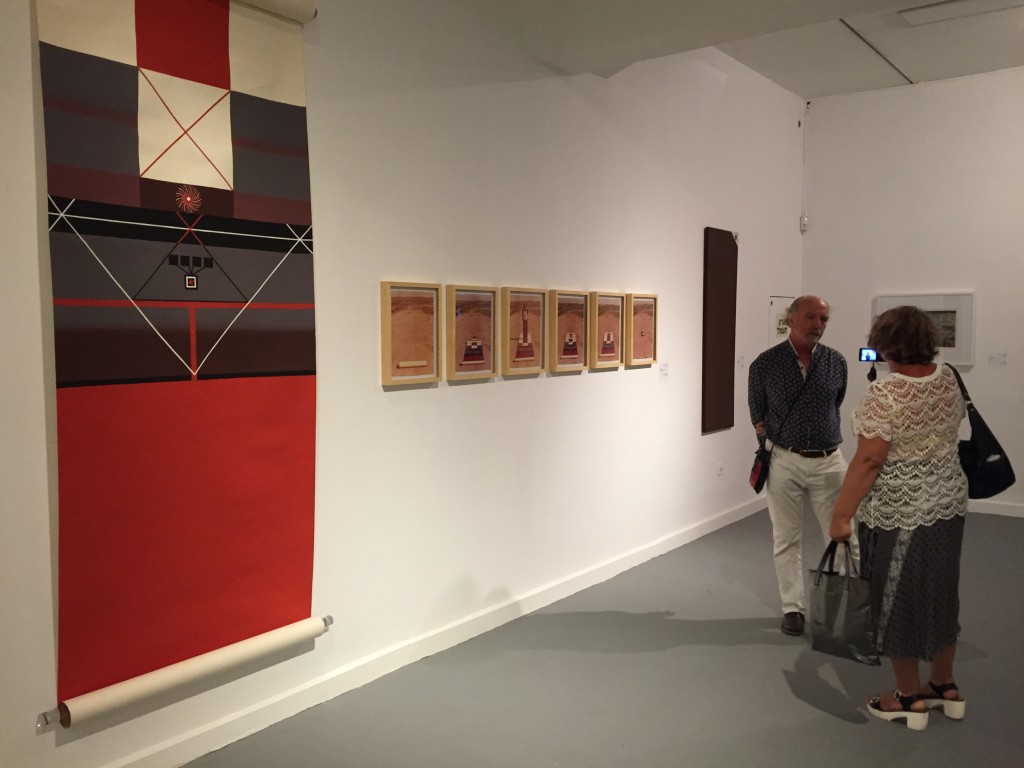
  • Le peintre ukraino-israélien Samuel Acherman expose à Haïfa


    L’excellent peintre ukraino-israélien, Samuel Ackerman, qui travaille essentiellement à Paris, expose au Musée des Beaux-Arts de Haïfa

    Haifa_expo1

  • С днём иконы Казанской Божией Матери!

    220px-Kazan_moscow

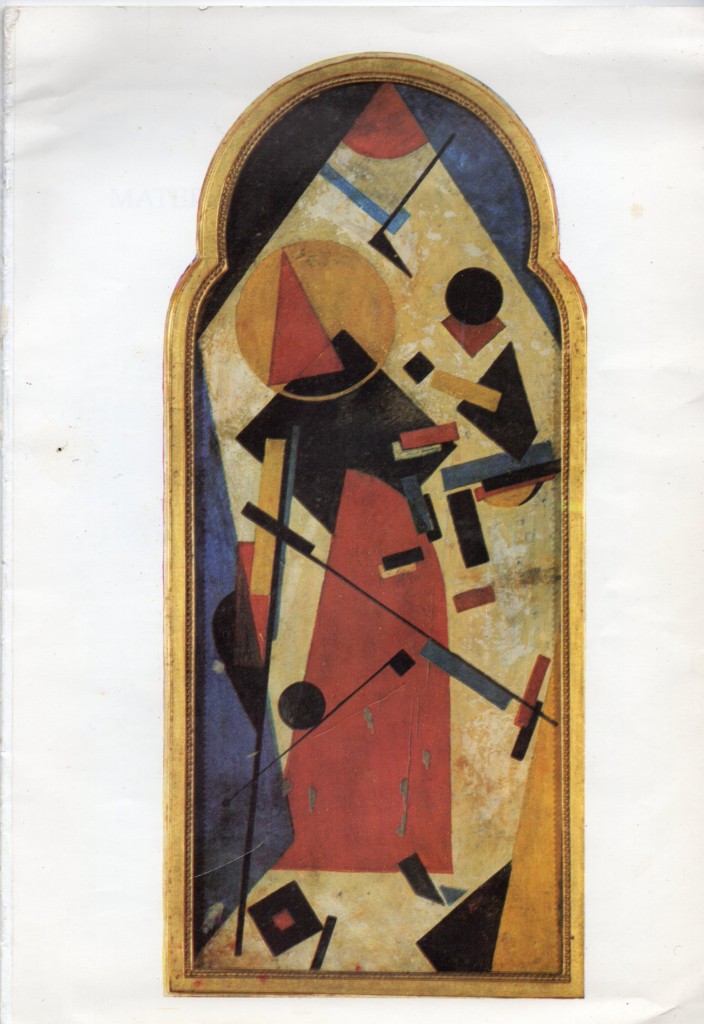
    « Спасла мене Казанская мать, що вона не допустіла переїхать у Київ, а тоб як той Светославский торгував хріном на вулиці Воровского та Вознесенского спуске. » [Notre Dame de Kazan m’a sauvé en ne permettant pas que je  m’installe à Kiev, sinon comme Svétoslavski j’aurais vendu  du raifort rue Vorovski et sur la montée de l’Ascension.] (Lettre de Malévitch à Lev Kramarenko, fin août 1930)

    p. 55395

    Evguéni Kovtoune considérait cette icône suprématiste de la Mère de Dieu avec l’Enfant comme étant de Malévitch. Il écrit : « Cette image est dans le courant de la tradition catholique, proche de l’artiste depuis l’enfance. »  [« Kazimir Malévitch i posliedniéïé stikhtvoréniyé Khlebnikova », in Miéra, Saint-Pétersbourg, 1994, N° 2, p.85]


  • Sviatoslav Vakartchouk, chef du groupe rock ukrainien « L’Océan d’Elsa » sur le vrai nationalisme

    Du télékanal russe Dojd’

    В пятницу, 27 мая, лидер украинской рок-группы «Океан Эльзы» Святослав Вакарчук прочитал медиафоруме во Львове резонансную лекцию, в которой он говорил об украинском патриотизме и идеях, которые объединяют нацию. Дождь публикует полный перевод его выступления на русский язык.

    Мы уже 25 лет строим наше государство и 25 лет спорим о том, кто такие украинцы и что такое Украина. Кто-то скажет, что очевидно: тот, кто идентифицирует себя как украинца, имеет право так зваться.

    Хорошо, но если человек не зовет себя так, не родился здесь и не имеет украинского паспорта, говорит с акцентом и с акцентом поет украинские песни, но делает это искренне? Кто определяет, кто является украинцем, а кто нет? Армянин Сергей Нигоян и белорус Михаил Жизневский [первые два активиста Майдана, погибшие от огнестрельных ранений — Дождь] — они украинцы? Могут ли они считаться украинцами? И кто больше украинец — они или те, кто голосовал на донецком референдуме?

    Чтобы ответить на эти вопросы легко и без противоречий, нужно фундаментально изменить парадигму нашего восприятия и впервые за 25 лет ответить себе: какое государство мы хотим, кто его строит и для кого это делает? Это три ключевые вопроса.

    Мой ключевой посыл сегодняшней лекции в следующем: нам нужно перестать строить государство, основанное на кровном патриотизме, и начать строить государство, основанное на конституционном.
    Не столько прошлое, происхождение или внешняя схожесть должна объединить нас, сколько ценности, способ жизни, правила игры и Конституция, которая делает нашу жизнь комфортной именно на этой территории, в этом обществе, здесь и сейчас и для наших детей в будущем. Мне кажется, это является ключом к успеху.

    Кто-то может спросить меня, в чем проблема, разве мы так не делаем? На самом деле нет. Мы до сих пор живем в этой парадигме. Может быть, наши предки или люди, которые хотели строить украинское государство в конце XIX — начале XX века, когда разваливалась великая империя, когда все небольшие народы ощущали свою идентичность, собирались вокруг исключительно своего языка, культуры и общей истории… Таким образом легко было противостоять большим империям — например, немецкой или российской.

    Тогда это сработало, потому что мир был закрытым, это был единственный метод — объединиться, найти соседа, который такой же, как ты. Мне кажется, у нас сейчас эта идея уже не работает, тем более с такой страной, как Украина.

    Украина, которую часто сравнивают с Польшей — далеко не Польша. У нас никогда не было национальной однородности, мы никогда не говорили только на одном языке. Да, мы являемся наследниками великой истории, начиная с Киевской Руси и дальше.
    Мы должны осознать, что государство, созданное в 1991 году, было создано не под нашим влиянием, а вследствие конкретных субъективных и исторических причин. Наша страна сшита из разных кусочков других государств, где люди имели разное происхождение, язык, веру, образ жизни и видение будущего.

    Когда мы хотим сегодня определить, что такое нация, нам нужно прекратить думать про вещи, которые нас разъединяют. Не только потому, что они становятся поводом для политических спекуляций, но и потому, что такая система будет постоянно больной. Она не будет устойчивой, если мы построим столпы, которые будут ее поддерживать.

    Вернусь немного к истории. Когда в XVIII веке отцы-основатели США строили страну, они не опирались на происхождение, они не опирались ни на что, кроме принципов. Эти принципы они почерпнули из книг. Они читали Гоббса, Аристотеля, Платона… Они хотели построить идеальное государство, в котором людям было бы комфортно жить. Да, им было просто, потому что они строили с нуля.

    Конституционный патриотизм работает там, где есть неоднородное общество, разная история, и где нужно объединять людей вокруг некоторых фундаментальных принципов, которые, возможно, кажутся тривиальными, но на самом деле объединяют нацию сильнее, чем что-либо еще. Согласитесь, легко любому политику разъединить нас исходя из того, на каком языке мы говорим или в какую церковь ходим, но скажите, легко ли разделить нацию по принципу того, хотим ли мы иметь честный суд или кто за свободу слова, а кто против? Очень сложно разъединить общество, которое основано на идеалистичных, но на самом деле прагматичных и очень эффективных принципах жизни.

    Моя идея состоит в том, что нам всем нужно задуматься над тем, что Украину в XXI веке мы можем построить на абсолютно четких принципах и правилах игры, которые будут понятны всем украинцам независимо от того, в какой части страны они родились. Когда житель села Харьковской области недалеко от границы с Белгородской областью будет чувствовать ментальную, интеллектуальную и социальную близость с жителем приграничного села Львовской области больше, чем со своим российским соседом, это будет означать, что у нас есть политическая нация.

    Думаю, кто-то из вас может мне возразить, не выглядит ли это таким либеральным космополитизмом, который может полностью перечеркнуть историю и наше прошлое. Абсолютно нет. Конституционный патриотизм и космополитизм — это разные вещи. Я считаю, что украинская нация должна иметь и имеет свою идентичность, нам нужно ее лелеять и всячески поддерживать. Но перед тем как этой идентичности будет дан какой-то вес, мы должны говорить про более фундаментальные вещи: в каком обществе мы живем, как позаботиться о справедливости, как сделать так, чтобы каждому из нас было комфортно в этой среде, как сделать так, чтобы мы гордились нашим образом жизни и наши дети хотели жить в этой стране.

    Этих вещей нельзя достигнуть просто тем, что мы каждый день будем поднимать флаг и петь гимн, они достигаются борьбой за простые, понятные принципы: один закон для всех, честный суд, отсутствие коррупции, свобода слова, свобода предпринимательства и четкое исполнение обязанностей каждым гражданином.
    Мы видели, как резко патриотизм и идентичность пригождаются, когда начинается внешняя агрессия, на примере событий, которые происходят на востоке [Украины], как они поделили, кто есть кто. Можно сказать: «Возможно, Святослав, ты прав, но не кажется ли тебе, что, когда возникла внешняя угроза, именно люди с острым чувством национализма взялись защищать Украину». Да, это правда. Потому что они имели хоть какие-то принципы, потому что у других их совсем нет. Но люди шли защищать не только свой язык и культуру, но и образ жизни, мораль и Конституцию. Наше задание — начать строить страну, основанную на принципах справедливости и комфортной жизни.

    Ситуация сейчас мне часто напоминает то, что помнит, должно быть, каждый из вас, особенно люди постарше. У каждого в детстве в гостиных стояли серванты, где за стеклом стояла посуда, из которой нельзя было есть. Каждый день мы использовали обычную старую посуду. Когда я спросил у бабушки, зачем стоит посуда в серванте, она ответила, что у людей так принято.

    Давайте достанем эту ментальную посуду, давайте поменяем мебель на новую, комфортную и будем использовать эту посуду каждый день, потому что мы это заслуживаем. ​
  • La Jeanne d’Arc ukrainienne

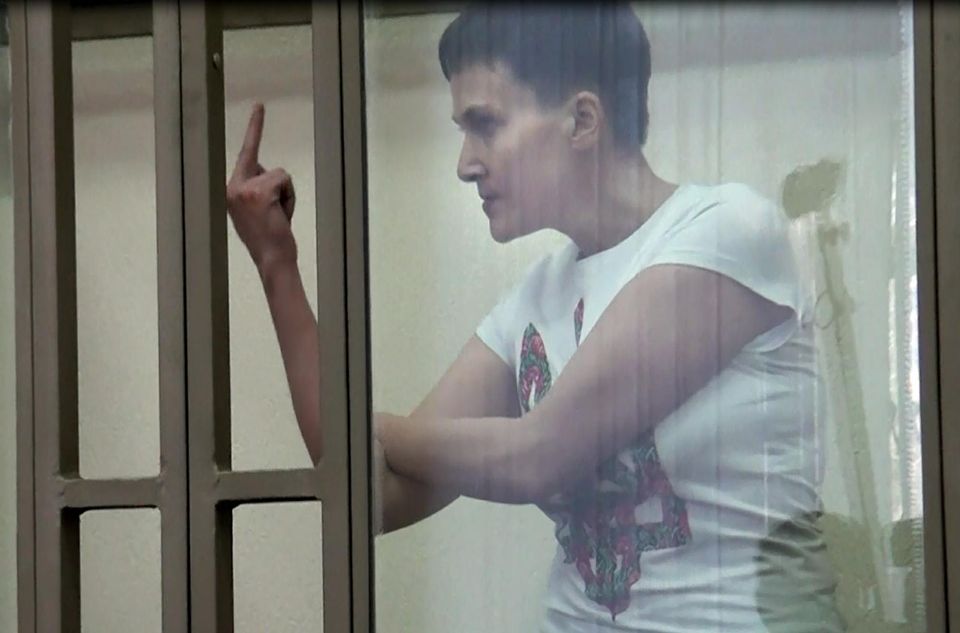
    Après Prince, après une Pussy Riot « icône anti-Poutine » (par l’Afterjournaliste Vitkine –  une page entière dans Le Monde des Livres),voici encore une icône :

    Icône de la résistance ukrainienne, Nadia Savtchenko défie Poutine (Hélène Despic-Popovic, avril 2016)

     Libération de la Jeanne d’Arc ukrainienne (David Pujadas, 25 mai 2016)

    858620-000_dv2227102

  • Antoine Pevsner au MNAM en mai 2016

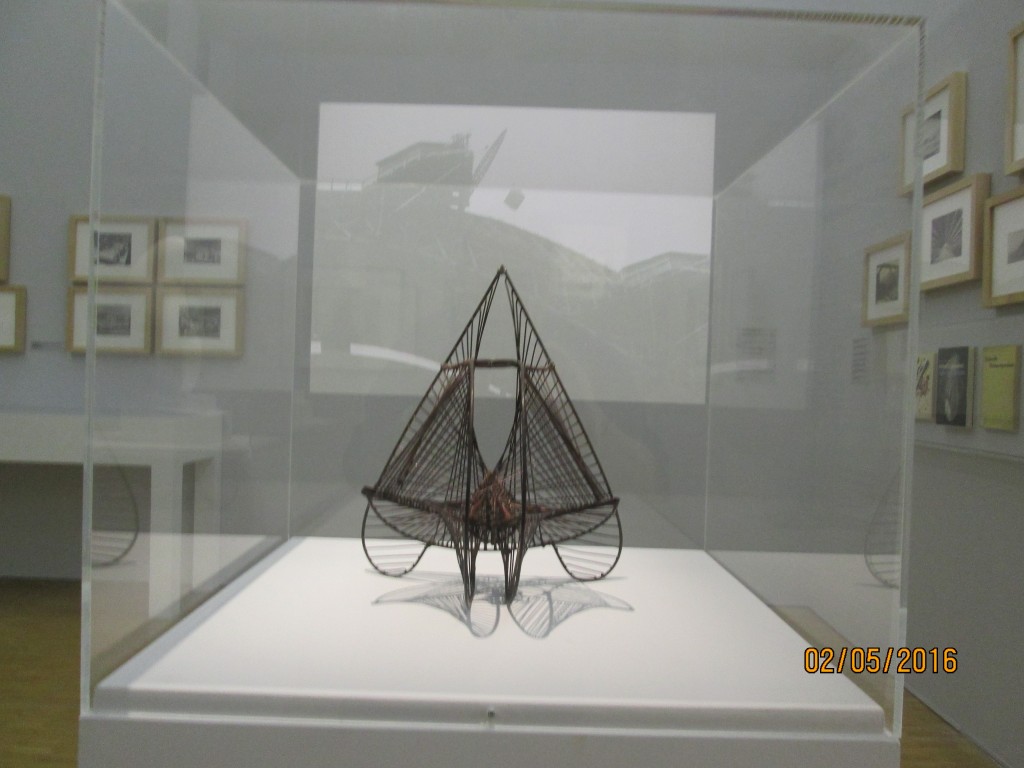
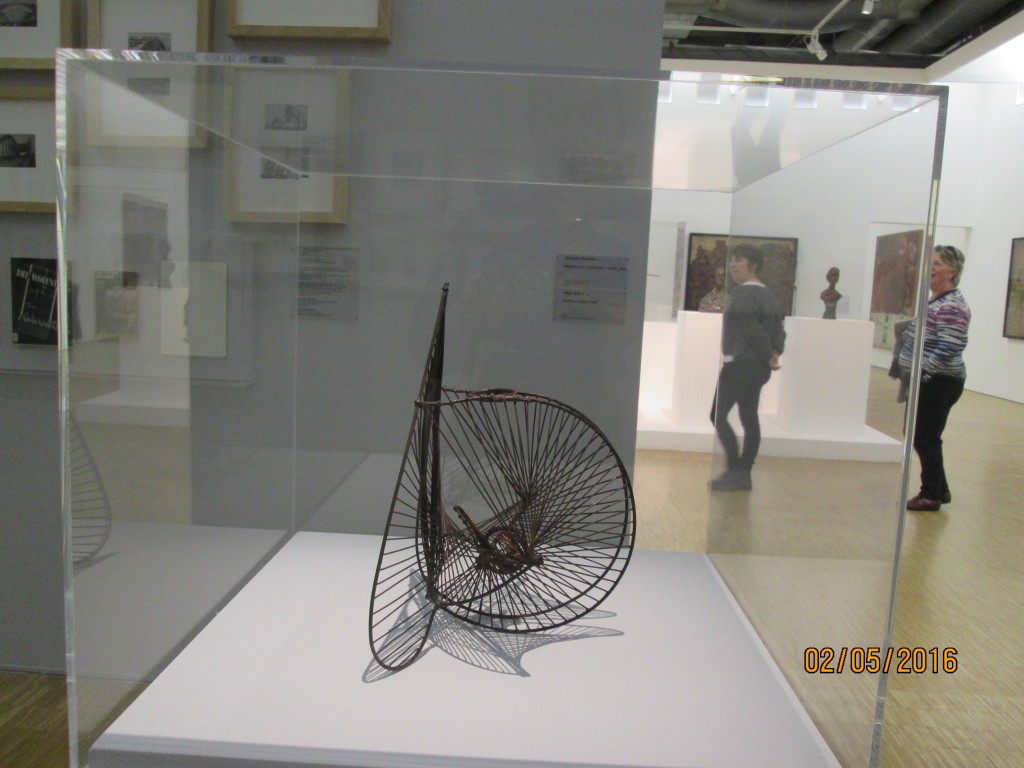
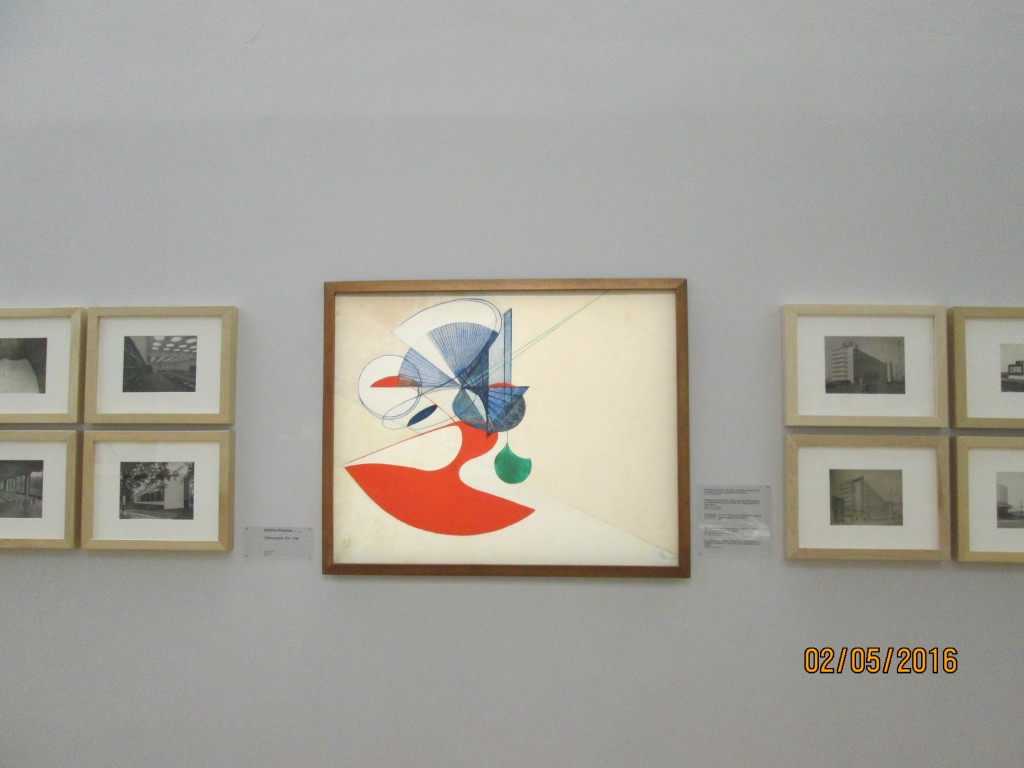
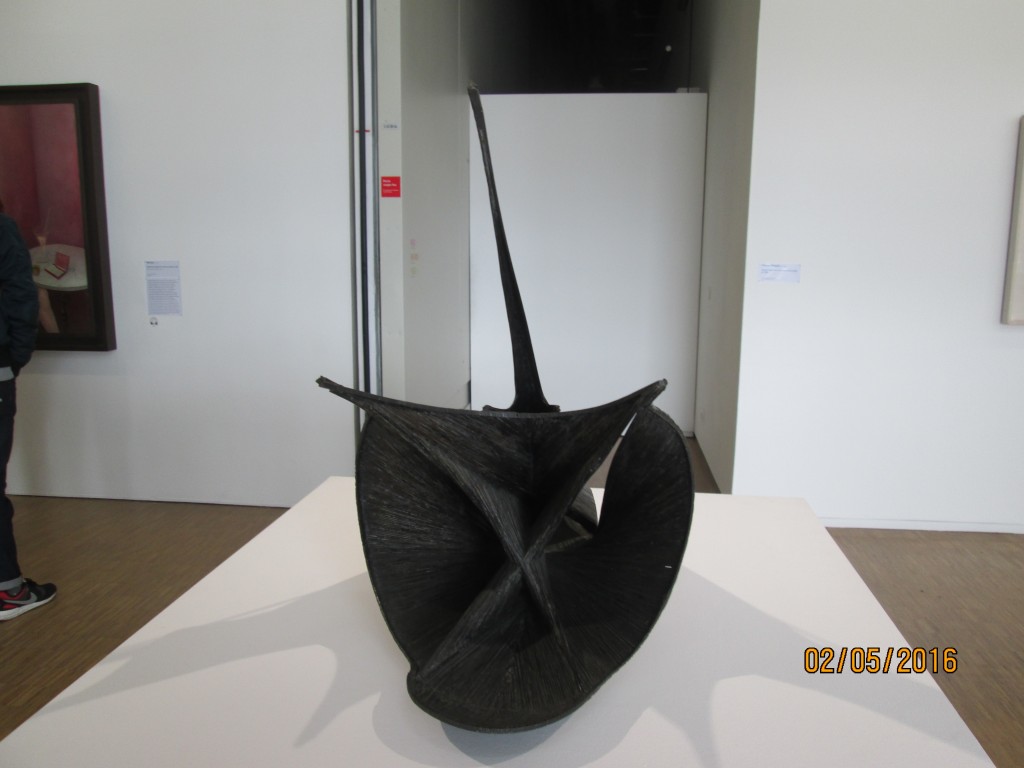
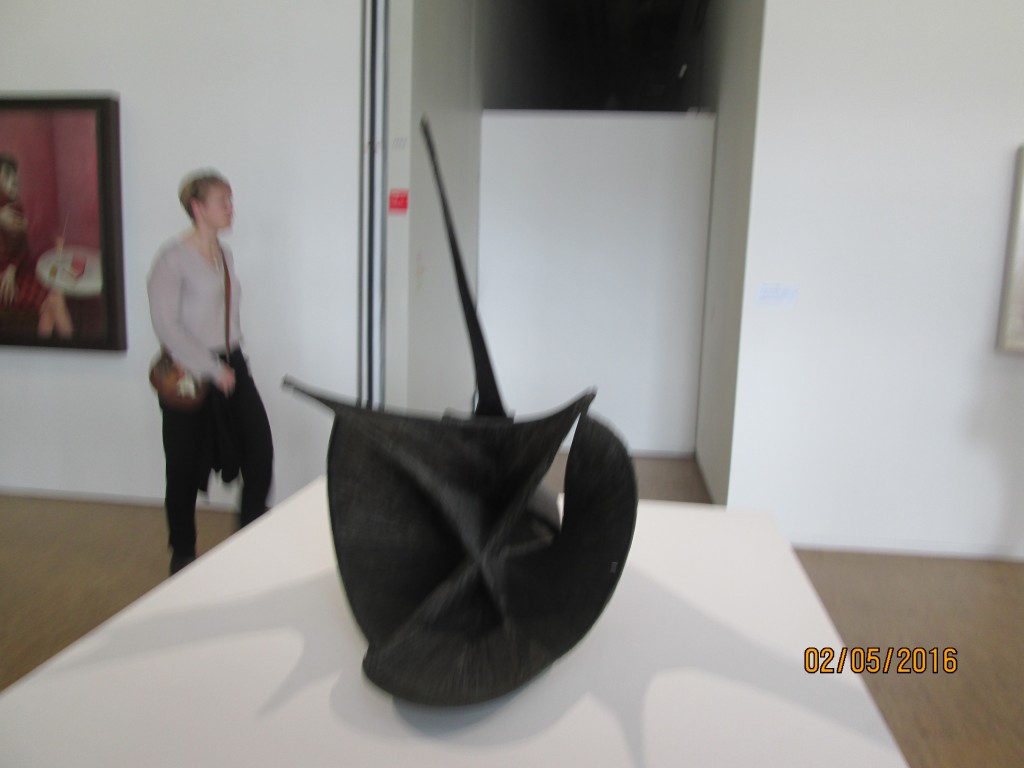
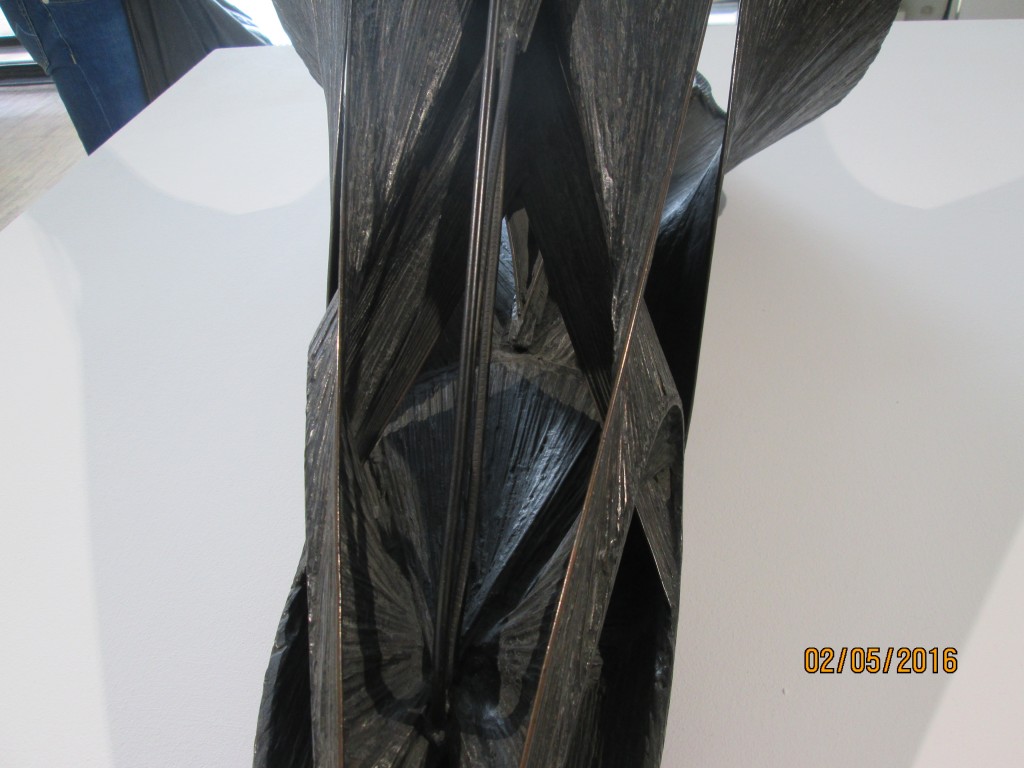
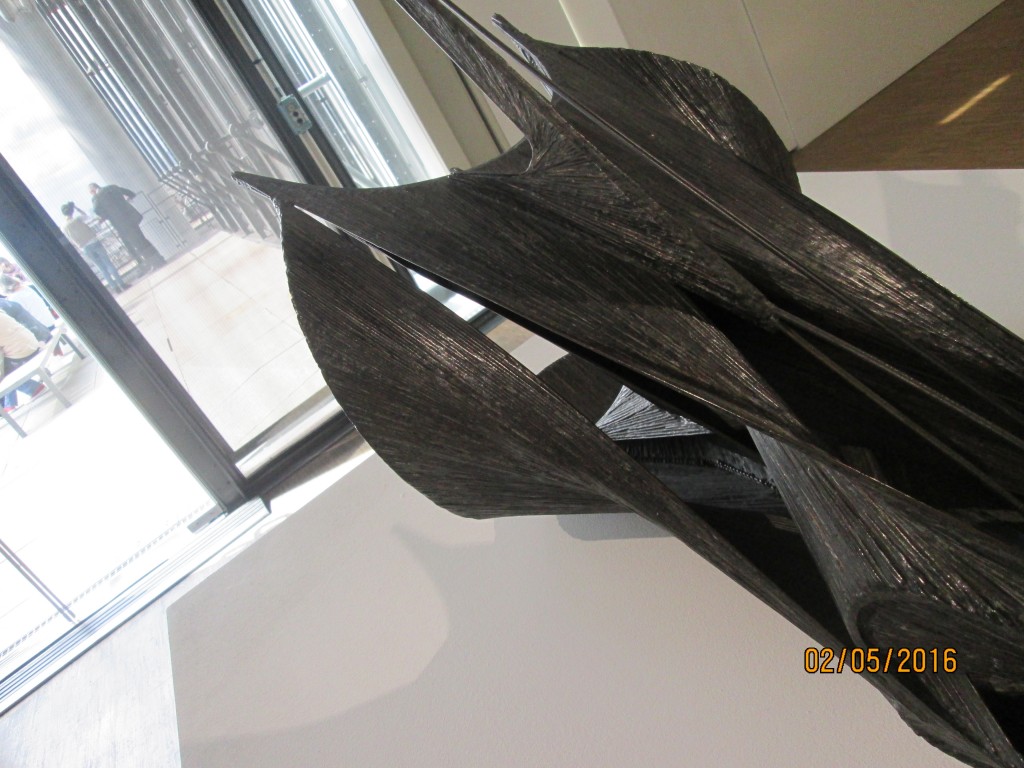
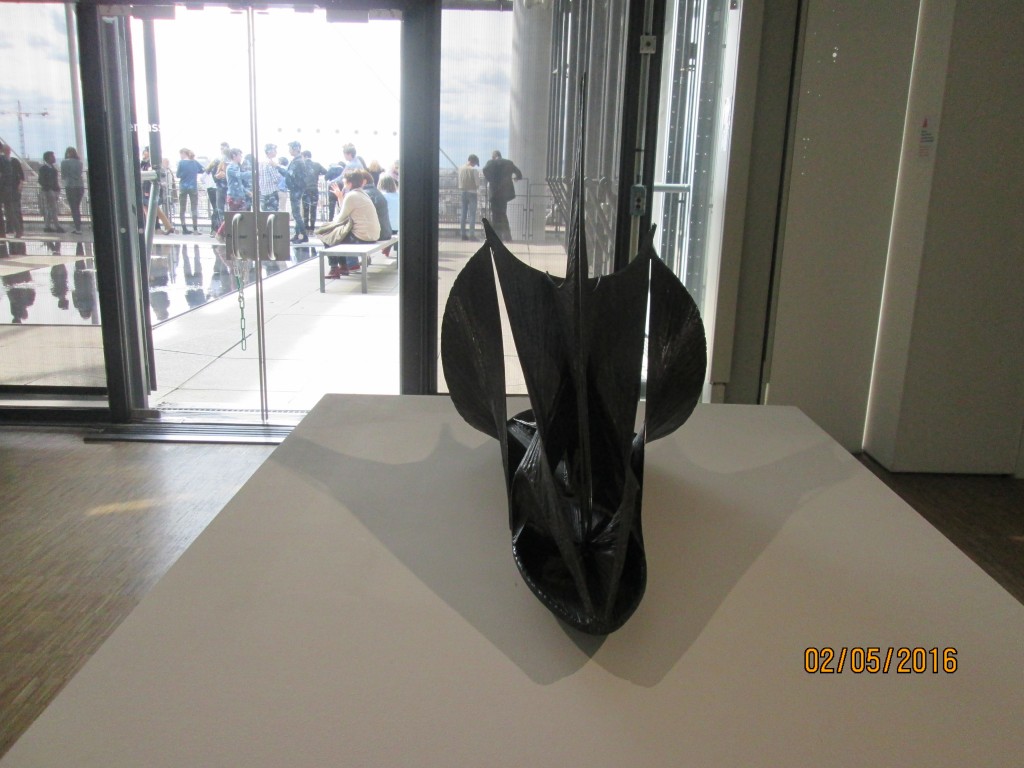
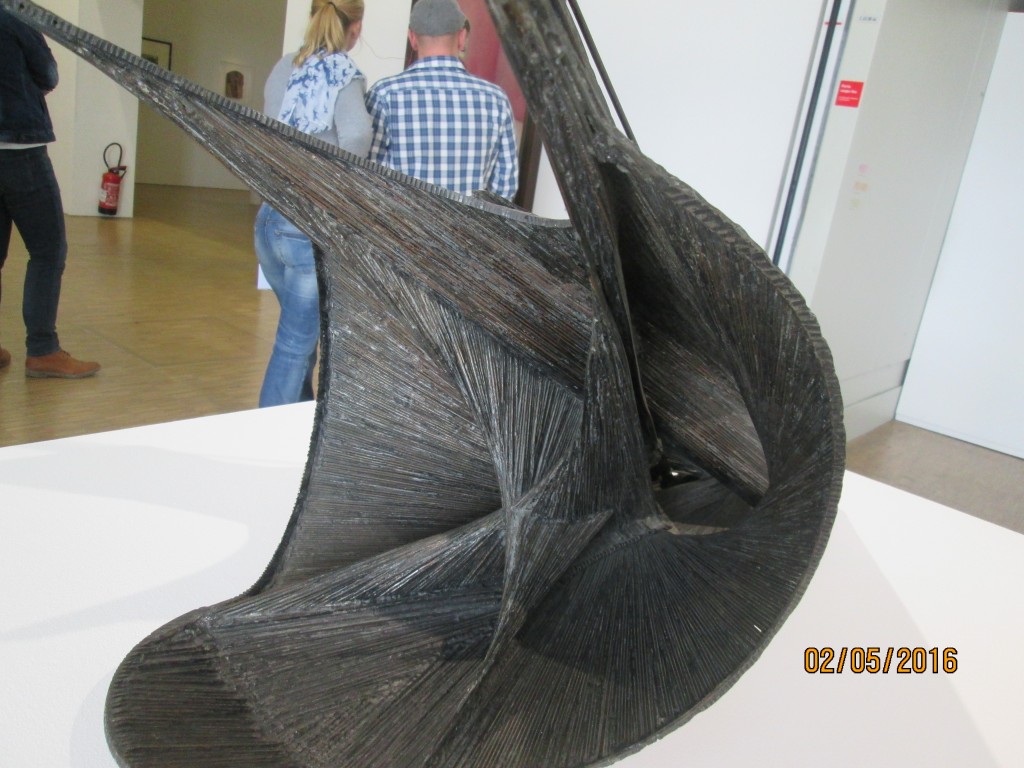
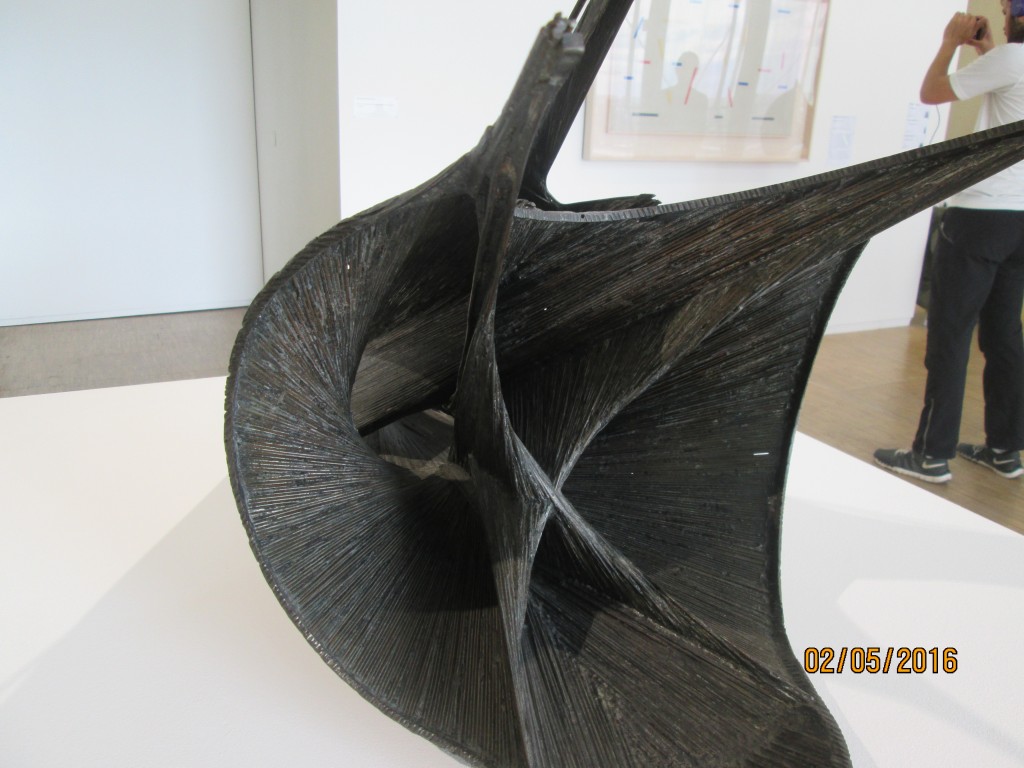
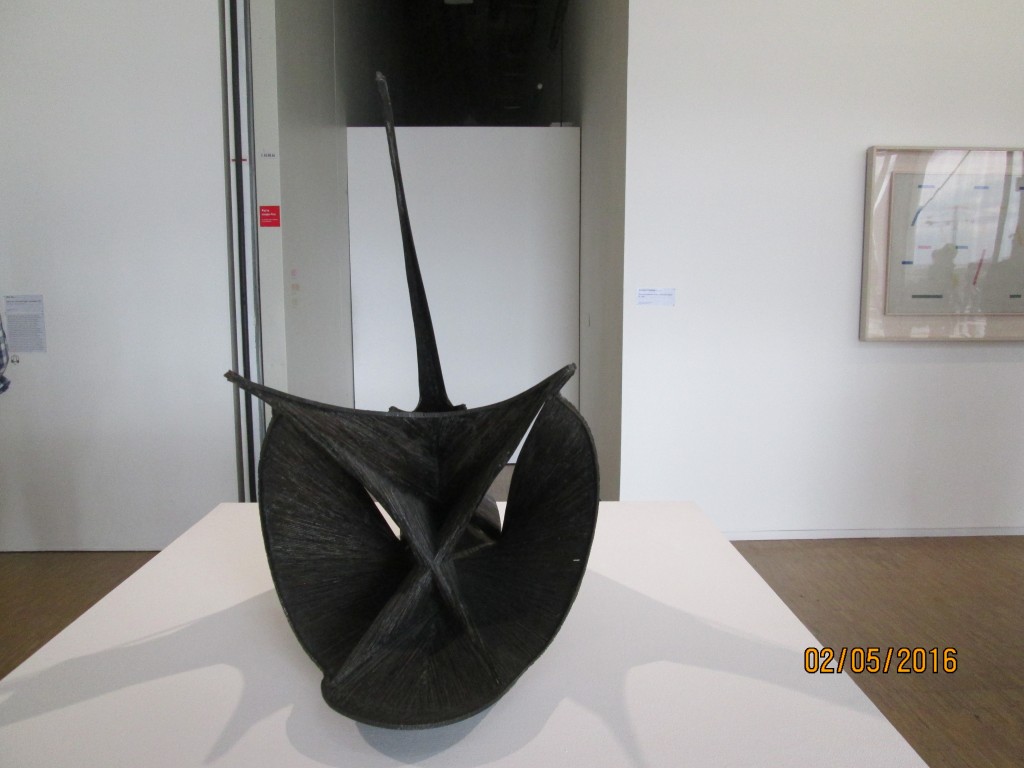
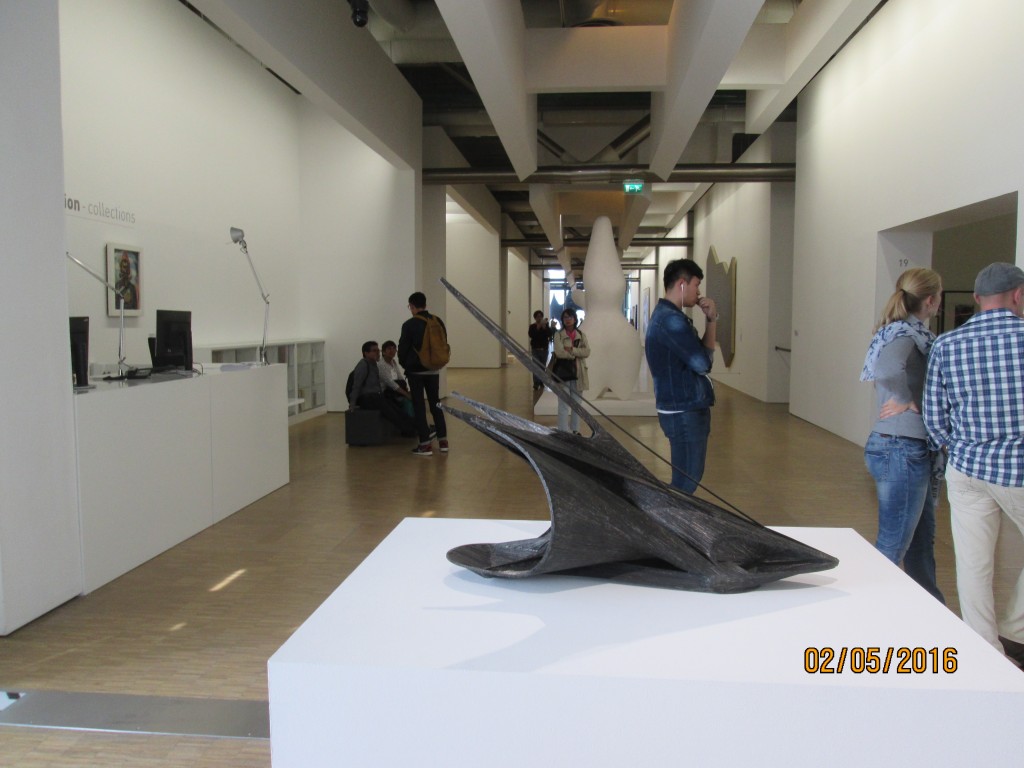
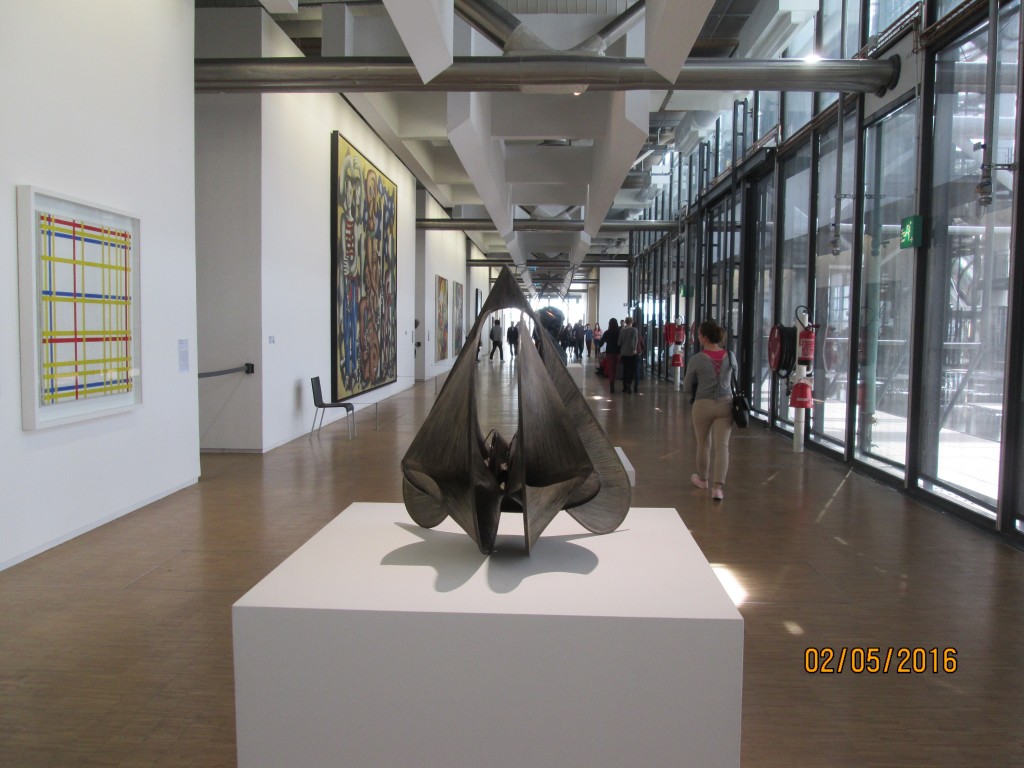
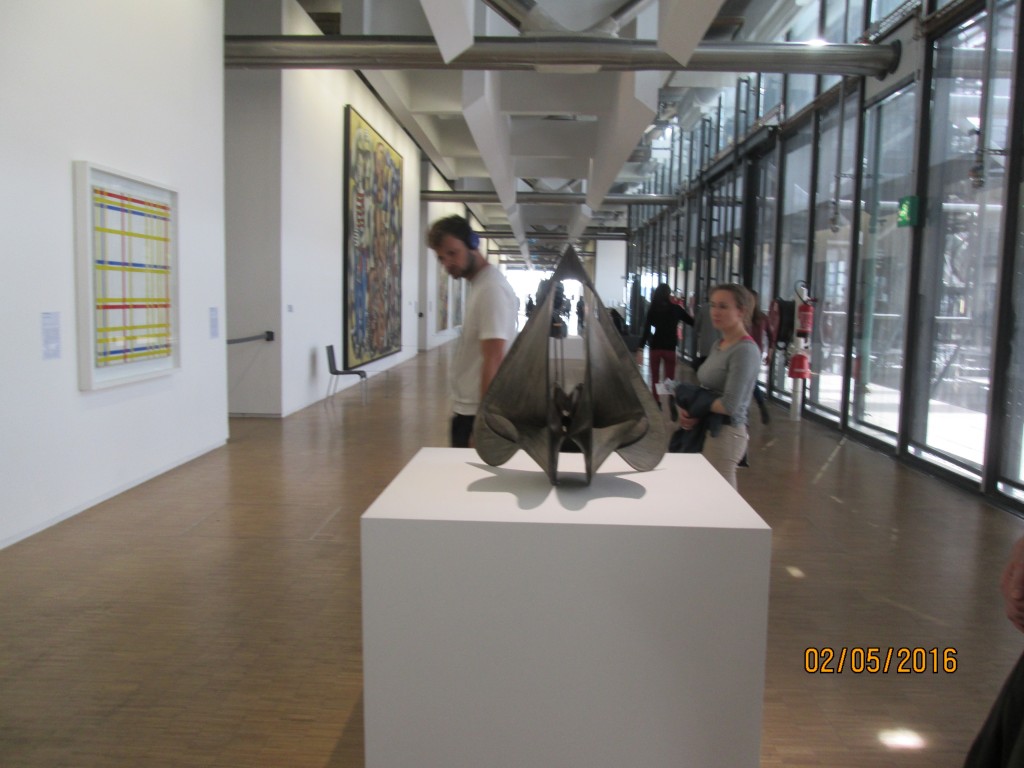
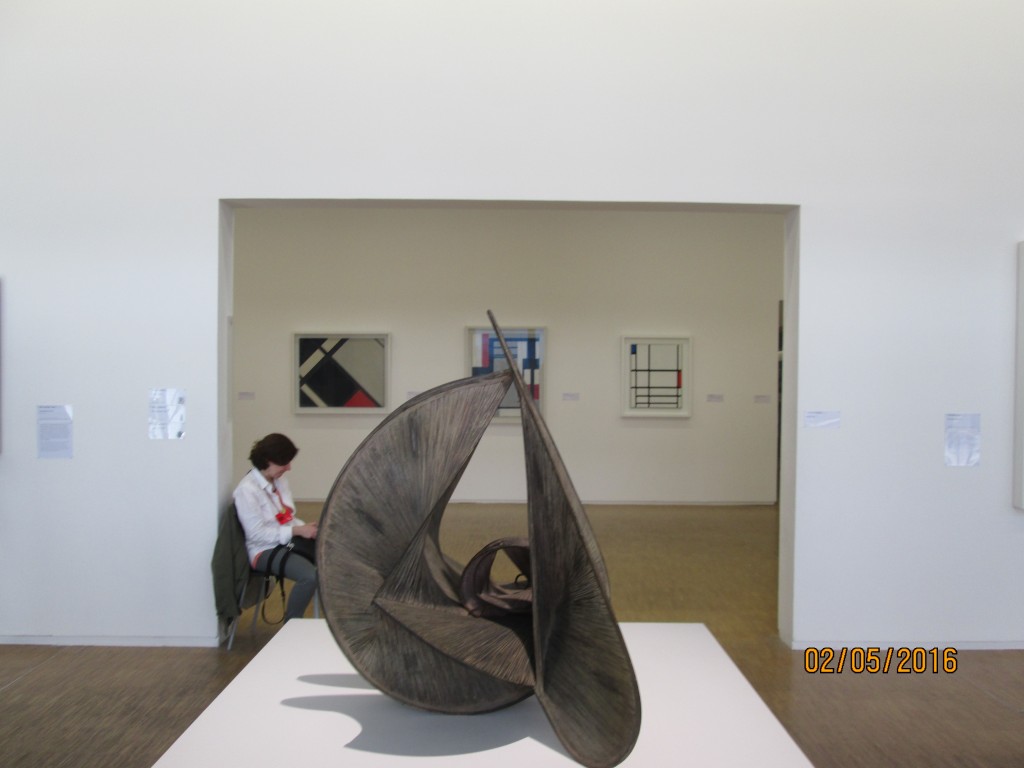
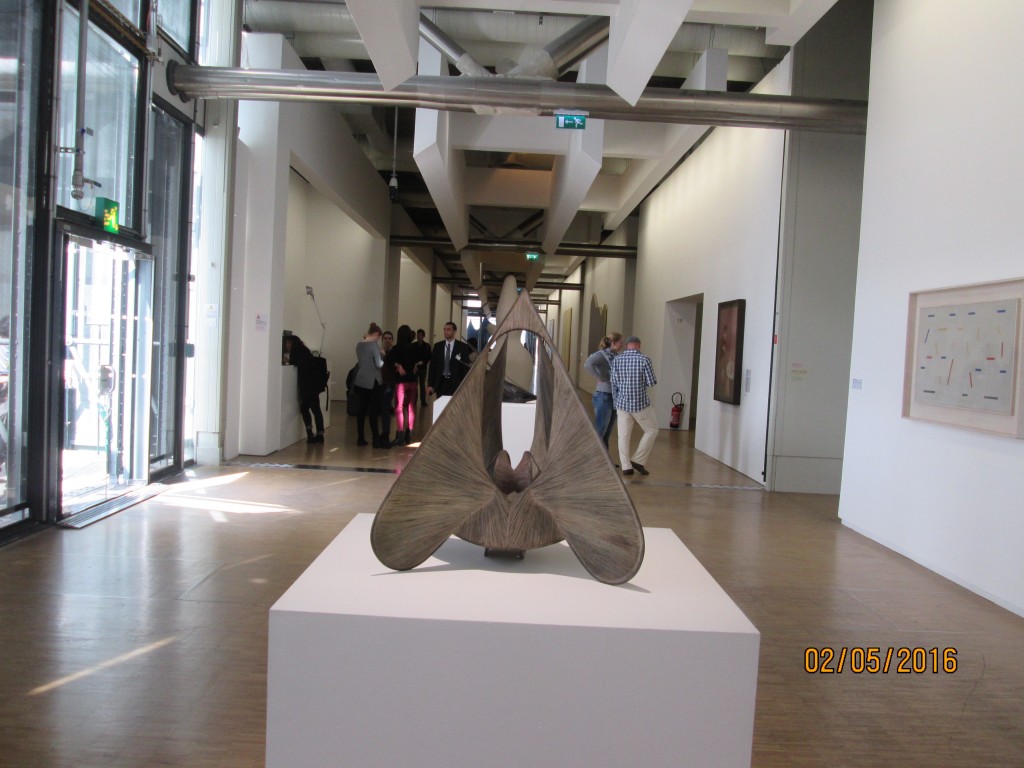
    Voici les images (très « amateur » mais parlantes!…) que j’ai prises de la nouvelle présentation des oeuvres d’art au MNAM. Pevsner est largement et bien représenté, ce dont nous ne pouvons que nous réjouir, en particulier, il faut saluer les nouvelles salles qui sont consacrées à de grands critiques ou historiens de l’art avec les artistes ou les mouvements qu’ils ont soutenus. C’est ainsi que Pevsner est magnifiquement présent dans la salle des grands critiques et historiens de l’art suisses Carola Weckler-Giedon et Siegfried Giedon.
    IMG_3198 IMG_3197 IMG_3196 IMG_3195 IMG_3194 IMG_3192 IMG_3191 IMG_3190 IMG_3189 IMG_3188 IMG_3187 IMG_3186 IMG_3185 IMG_3184 IMG_3183 IMG_3182

  • Malévitch en ukrainien

    https://www.youtube.com/watch?v=Tjnp-PwKVA0

    J’ai reçu cette émission d’un Ukrainien du Canada, Marko Stech. C’est en fait  un compte-rendu élargi de ma monographie éditée magnifiquement en 1913 aux éditions ukrainiennes de Lydia Lykhatch, Rodovid. Cet essai est très équilibré, sans nationalisme étroit, et avec une vue juste de la place de l’école ukrainienne dans l’avant-garde de Russie et  d’Union soviétique dans les années 1910-1920, ce que je proclame incessamment dans tous mes écrit.

    Je ne connais pas personnellement Marko Stech, mais il m’avait demandé, il y a quelque temps, des photographies de Valentine et de moi. J’en ai trouvé quelques unes dans le chaos de mes archives, dont il a utilisé une.

    Valentine Marcadé et Mikhaïl Andreenko,

    pour une Épiphanie catholique dans

    les années 1970 (36, rue Saint-Sulpice)

    Valentine Maracadé, Jean-Claude Marcadé., Sofia Grigorievna Laffite, début années 1970 jpg


    Valentine Marcadé, Jean-Claude Marcadé, Sophie Laffite (née Sofia Grigorievna Glikman) lors de l’exposition « Malévitch-dessins » à la Galerie Chauvelin en 1971