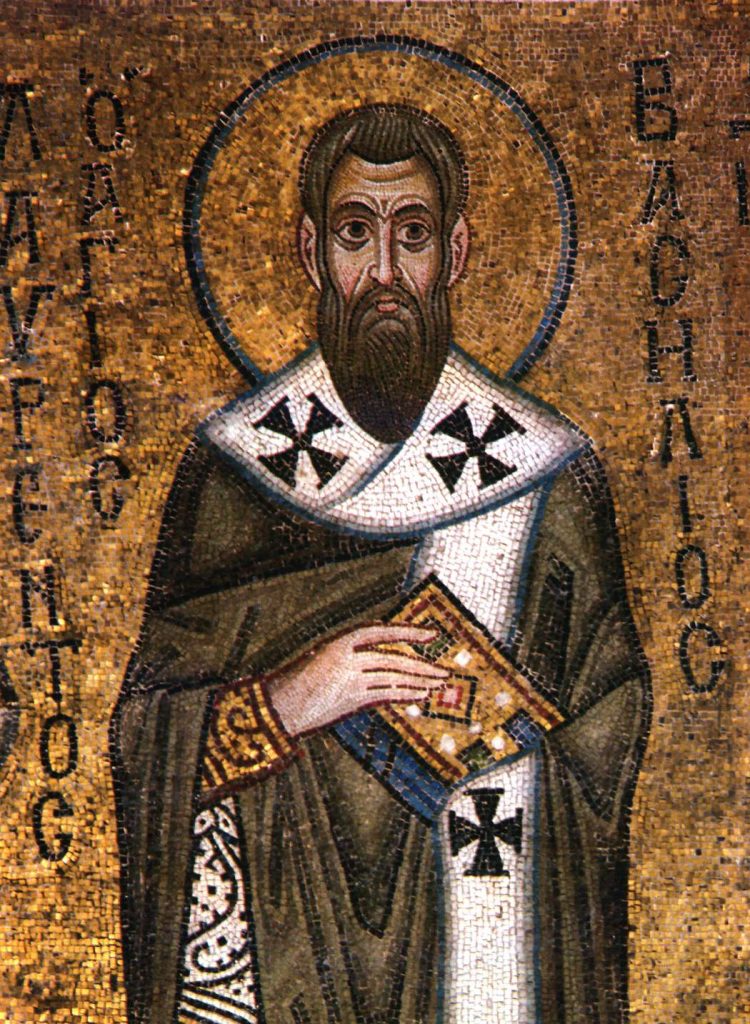
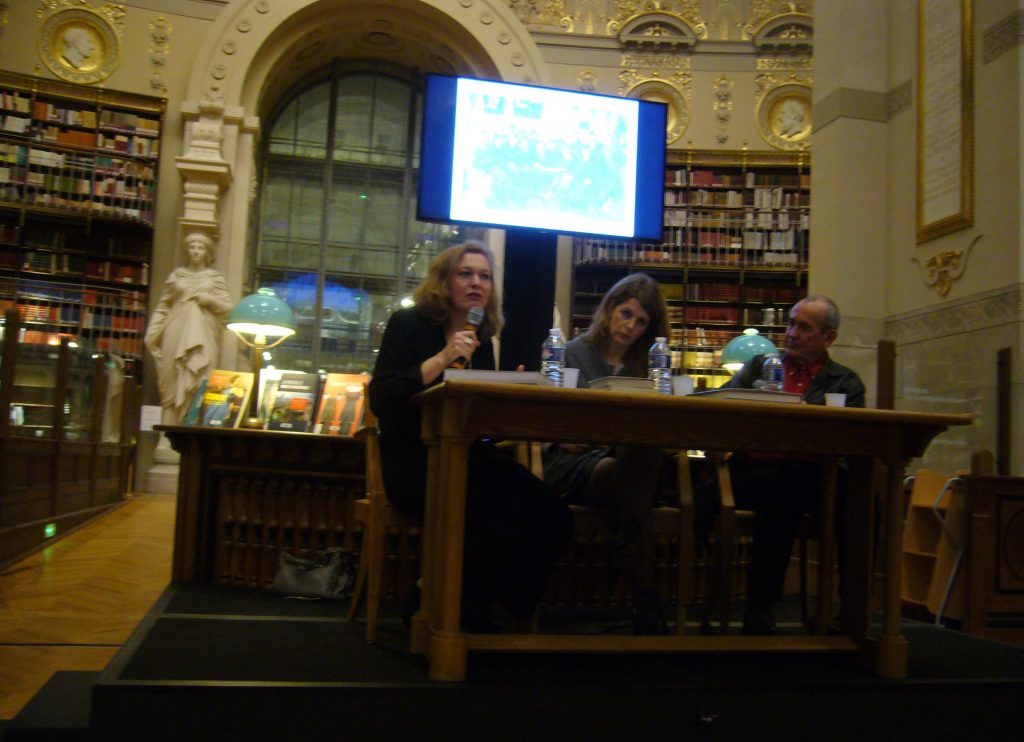
Sur la demande d’un ami, j’ai recherché ce cliché pris après ma conférence au MNAM, organisée par le regretté Marc Archambault, sur le tableau de Larionov, Promenade. Vénus de boulevard (2008).
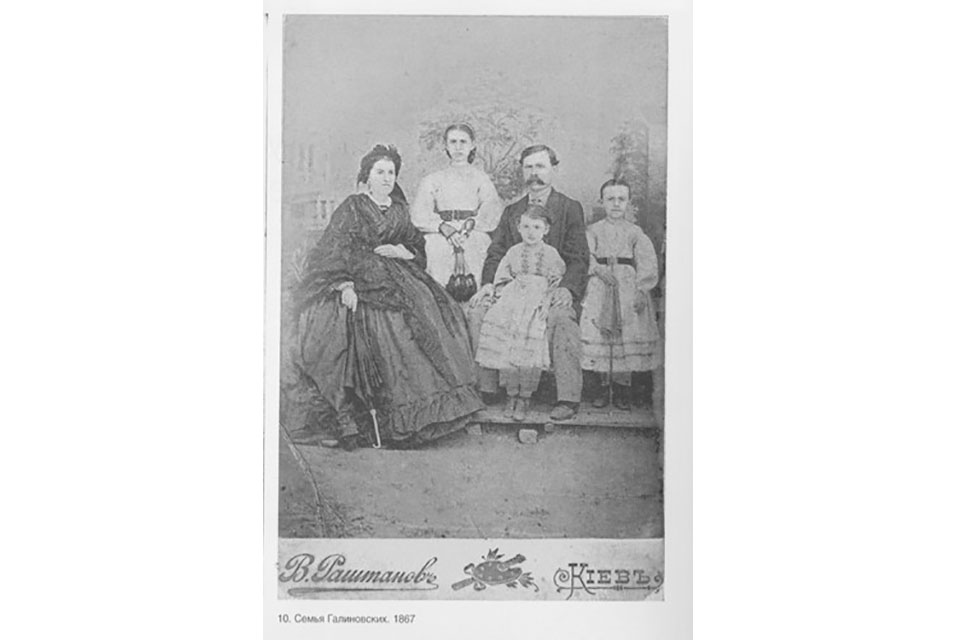
Shortly after the described event, it was announced at a Slavic congress that the house where Malevich was born was discovered and its address was 15 Bulyonska Street in Kyiv. Oleksandr Pavlov made several drawings and a painting of the house. He also took photographs of the home and of Victoria Zaiceva. Unfortunately, the film was lost and only one picture of the house remained. A few years later, the home was destroyed. The land belonged to the Institute of Dwelling and they built a large new building there. In the following years, the address spread from one book to another and no one ever questioned its origin or accuracy because no documents proved otherwise. In December 2017, research for a film documentary on Malevich found new archive materials. In trying to find proof for the birth house on Bulynska, the author of this article found documents about a home that belonged to Maria Orzhehovska at least between the years of 1871 and 1889. It was the only housing in her name and included a sizeable piece of land, measuring 10 x 31’5 “sazhen” (1 sazhen is equal to 2,1336 meters) with a wooden house, cellar, barn, shed and a well. In 1872, she redesigned the barn into a dwelling house and built another 4-room outhouse in the garden. Unless she had other unknown houses elsewhere, this house on Zhylyanska Street was her home in Kyiv for at least 18 years. Maria was married and had one son. Considering that no other homeowners with last name Malevich were found, we can assume that Severin Malevich stayed at his sister’s home at the end of 1870’s into the early 1880’s. And in one of the houses, Kazimir Malevich was born.
This article has been reproduced with permission from www.artdependence.com.
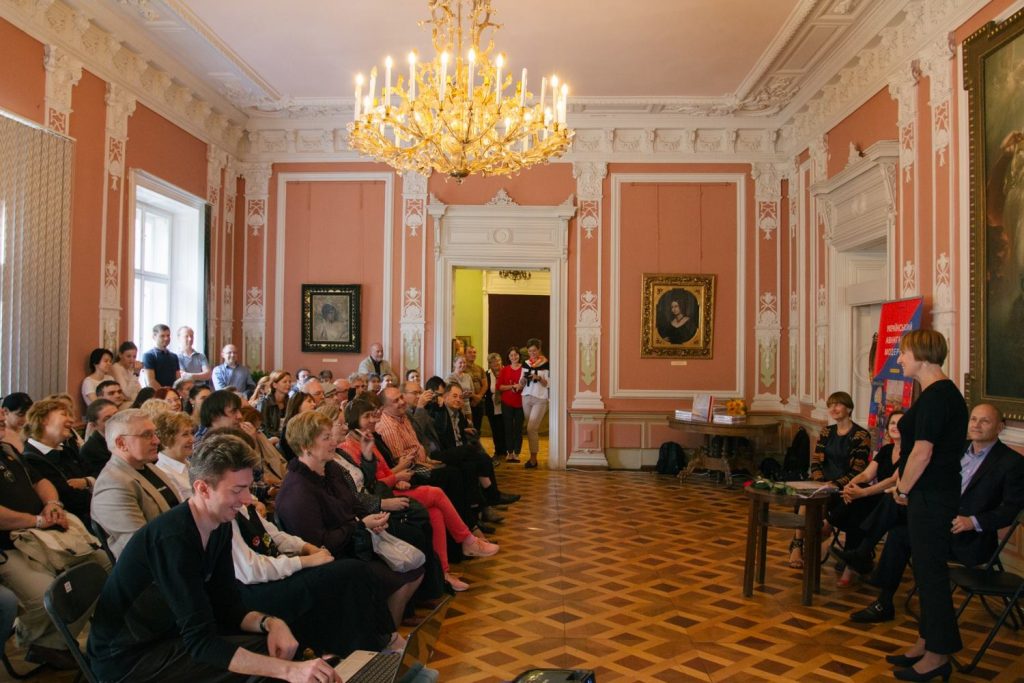
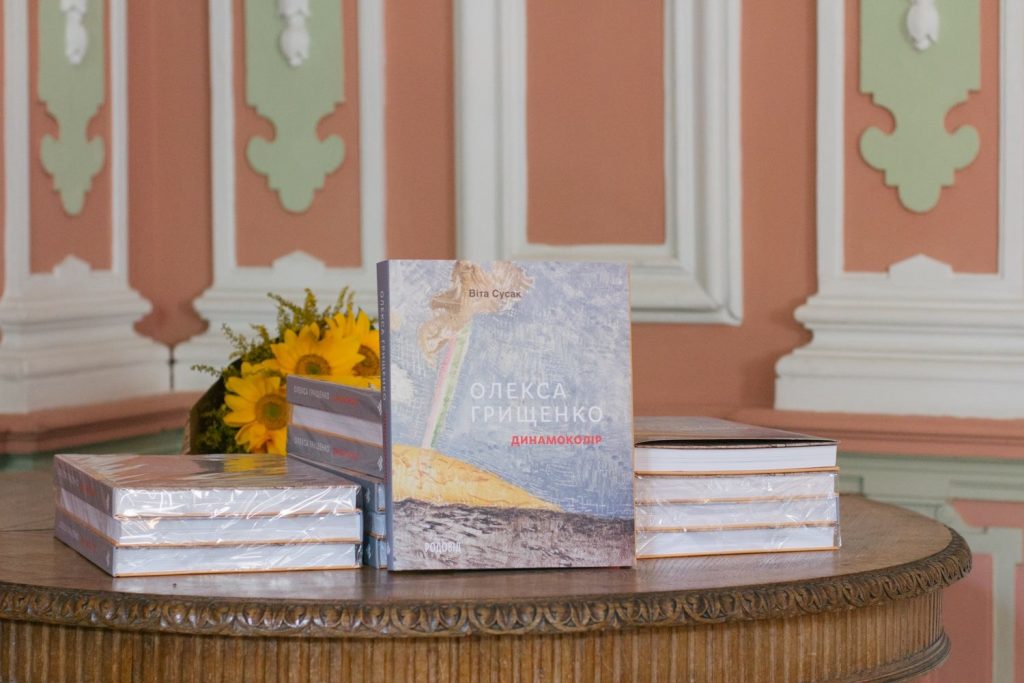
Про книгу
Олекса Грищенко (Alexis Gritchenko, Алексей Грищенко, 1883-1977) – живописець, художній критик, чия творчість найтісніше пов’язана з Україною, Росією і Францією. В 1910-і рр. він розробив власний мистецький напрямок – Динамоколір / Цветодинамос, базований на поєднанні принципів кубізму і формальної мови ікони.
Коли в пореволюційній Москві відкрили Музей живописної культури (1919-1929), в ньому «динамоколір» Грищенка експонувався поруч з «примітивізмом» О. Шевченка, «експресіонізмом» Кандинського і «супрематизмом» Малевича. Чому динамоколір забули? Забутий – неважливий? А хто пам’ятав Малевича, Бойчука, Богомазова у 1950-70-і? Чому сучасники оцінювали динамоколір як самостійне явище в авангарді? Як далі розвинулася творчість Грищенка, коли він залишив Москву у 1919, провів два роки в Константинополі, помандрував до Греції, дістався до Парижа і осів у Франції? Яке його місце серед представників Паризької школи? Яке значення цього майстра для українського мистецтва ХХ ст.?
Відповіді на ці та інші запитання шукає авторка Віта Сусак.
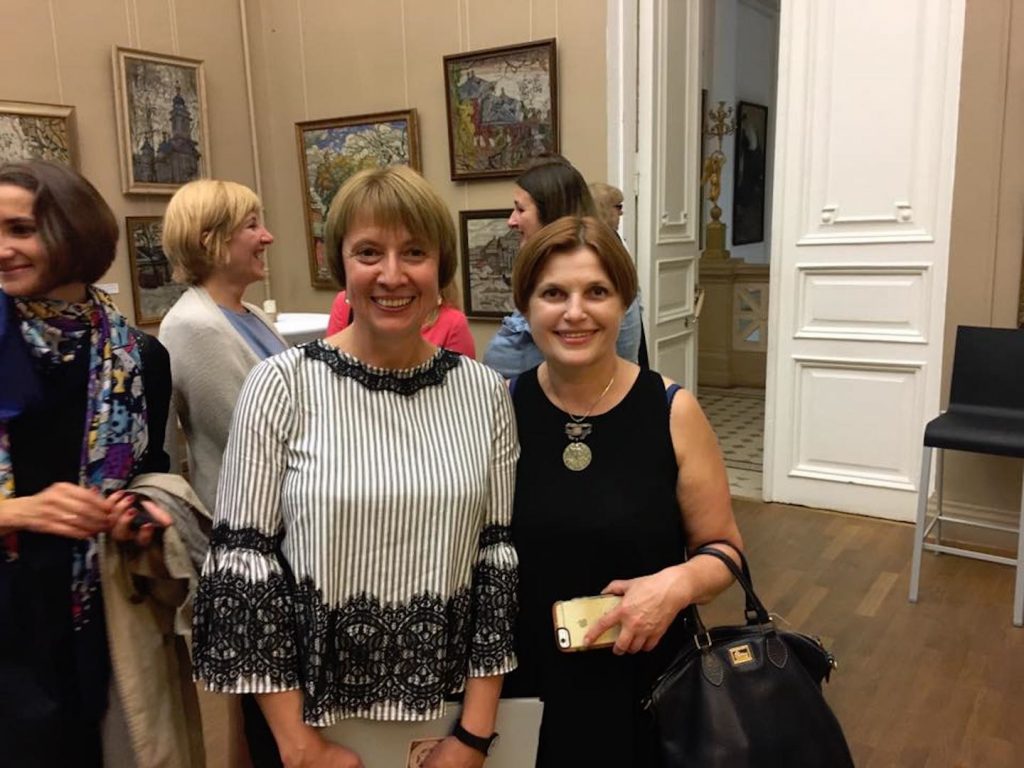
Свою першу статтю про Олексу Грищенка Віта Сусак опублікувала у 1989 р. в журналі «Всесвіт». У 1997 вона захистила в Москві кандидатську дисертацію на тему: «Олекса Грищенко в мистецькому житті Москви 1910-х років»; 2017-го – скінчила монографію «Олекса Грищенко. Динамоколір».
rodovid.box@gmail.com
вул. Хрещатик, 17, оф. 45
Київ 01001
ПІДПИСАТИСЯ
Facebook Twitter Instagram
РОДОВІД
Copyright © 2017