Auteur/autrice : Jean-Claude
-
Valentine Marcadé – 28 août 1994, décès le jour de la Dormition de la Mère de Dieu
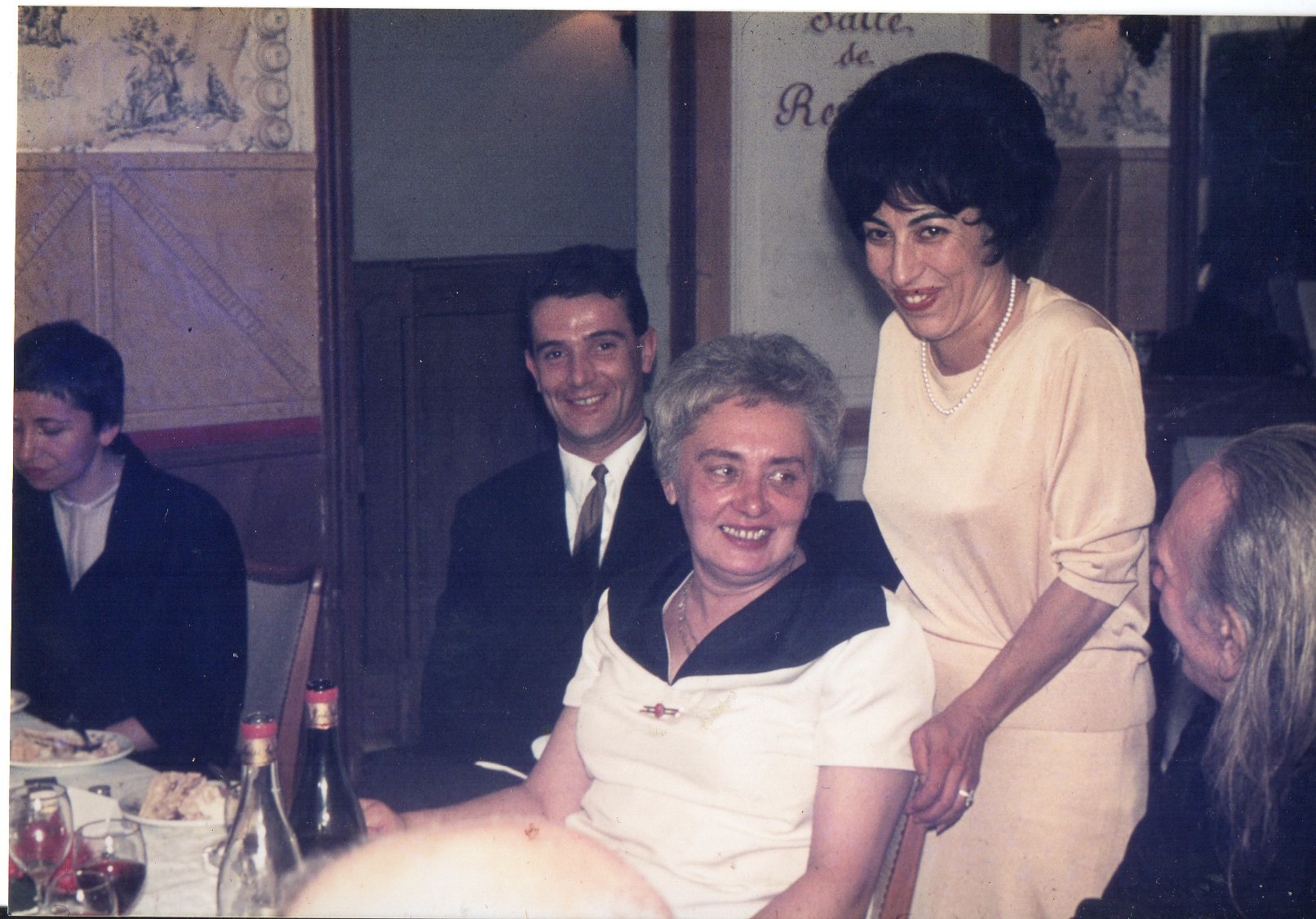
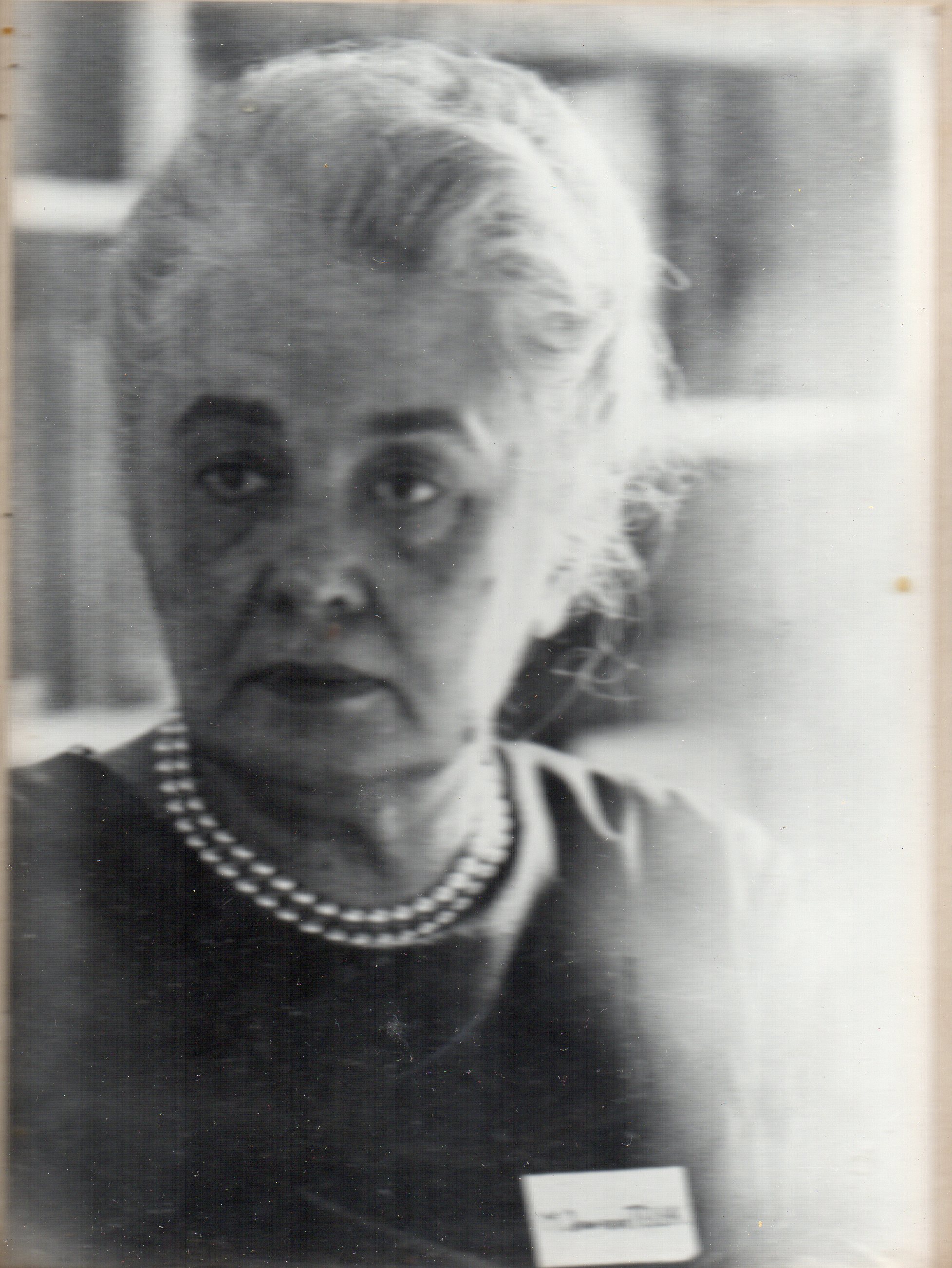
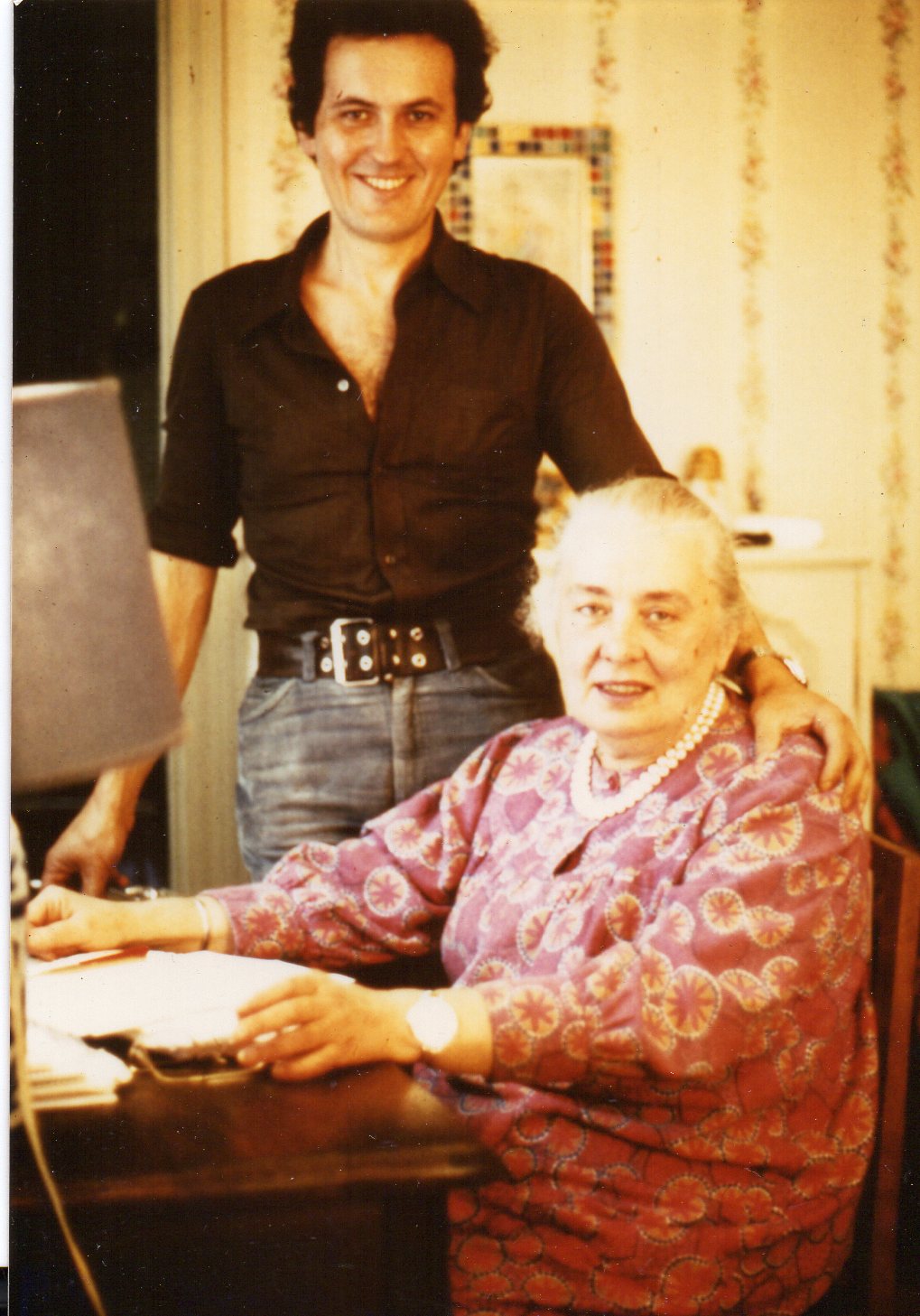
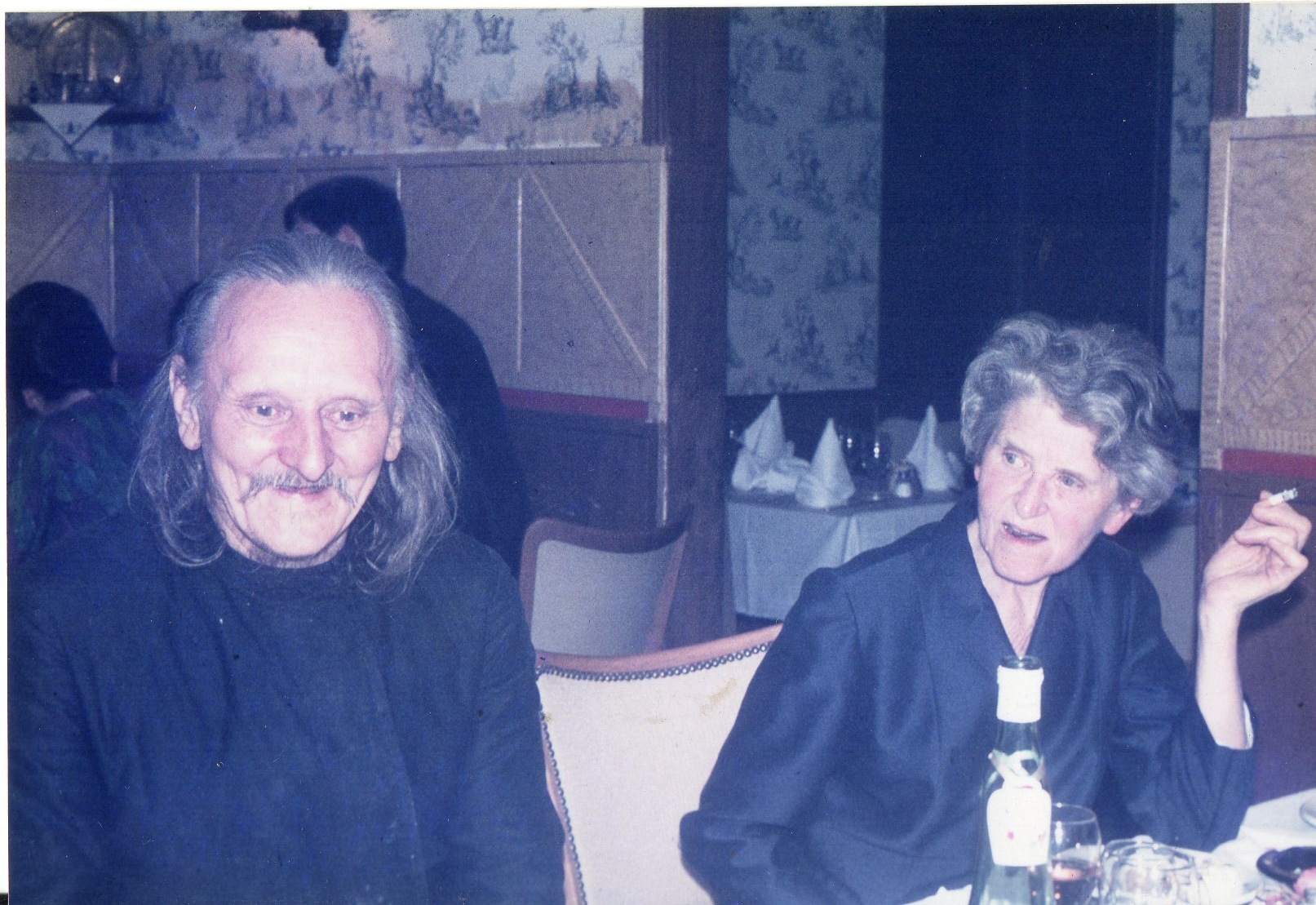
Valentina Dmitrievna Wasiutinska (Lialia) est décédée à l’âge de 84 ans, le jour de la Dormition de la Mère de Dieu dans l’Église orthodoxe russe (28 août selon le calendrier julien, 15 août selon le calendrier grégorien). Quelques photos de son itinéraire terrestre. Elle a vécu avec Jean-Claude Marcadé (Vania) à partir de 1958.
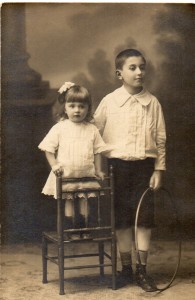
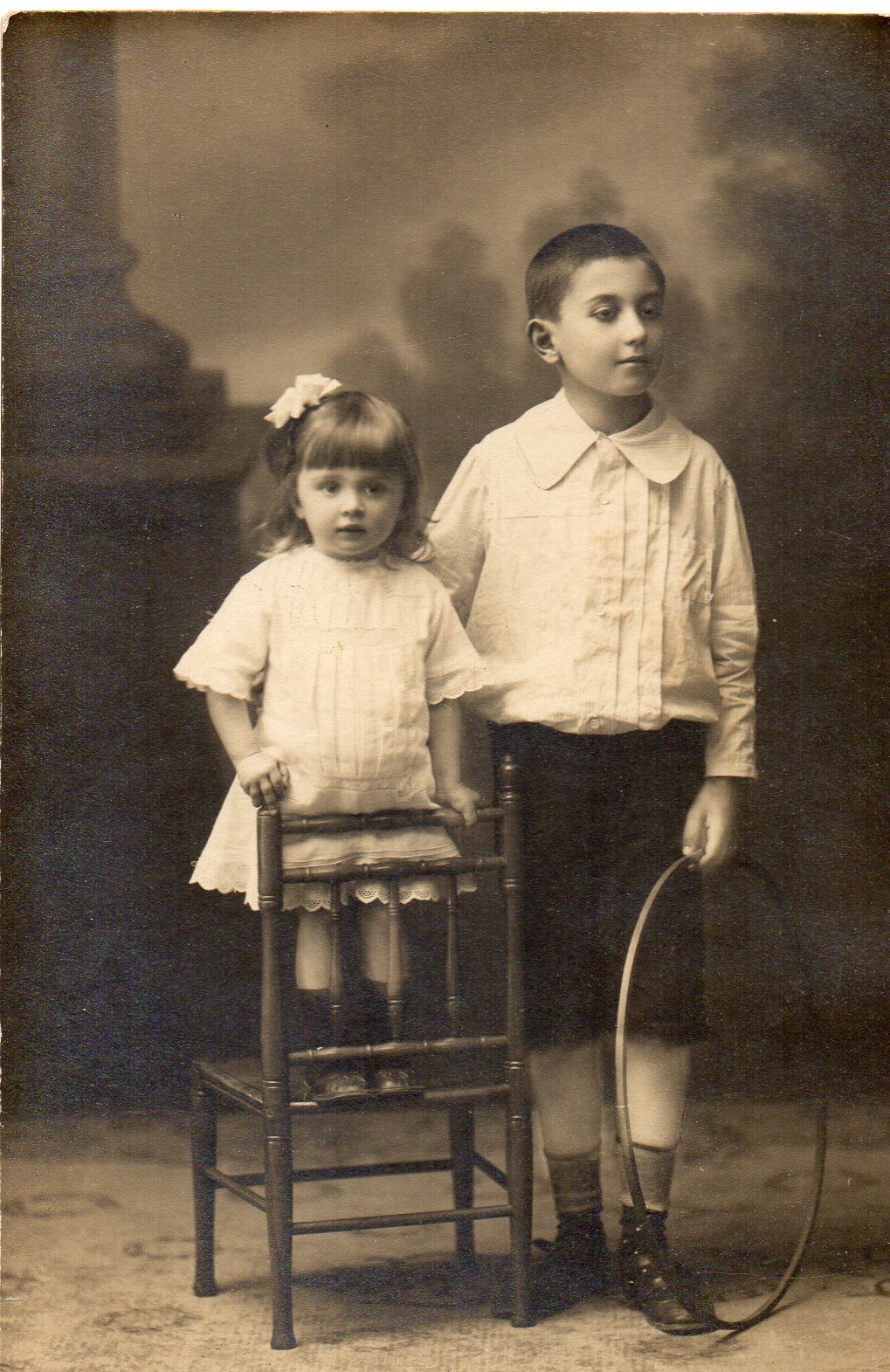
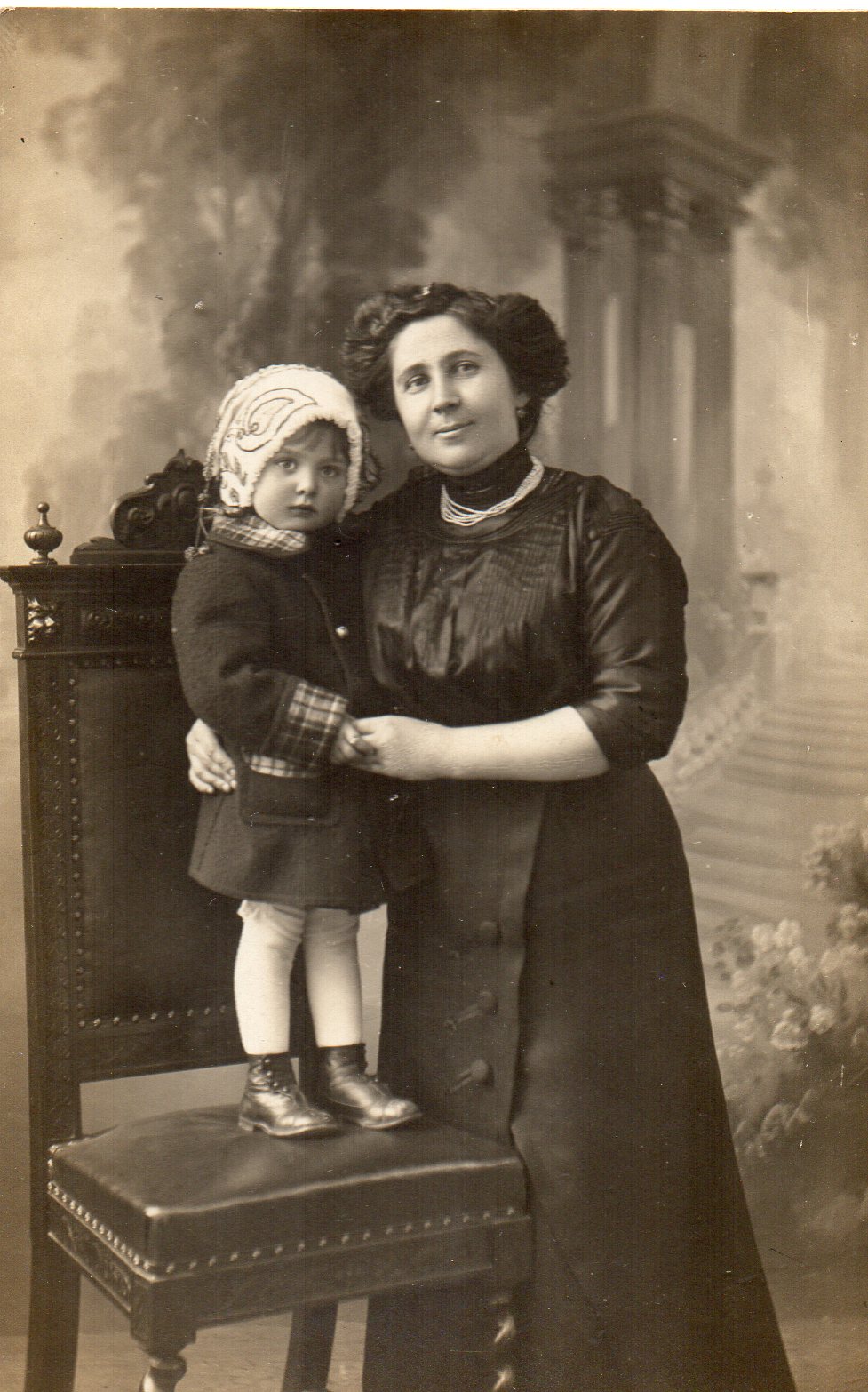
Lialia et son frère Stiopa en italie 
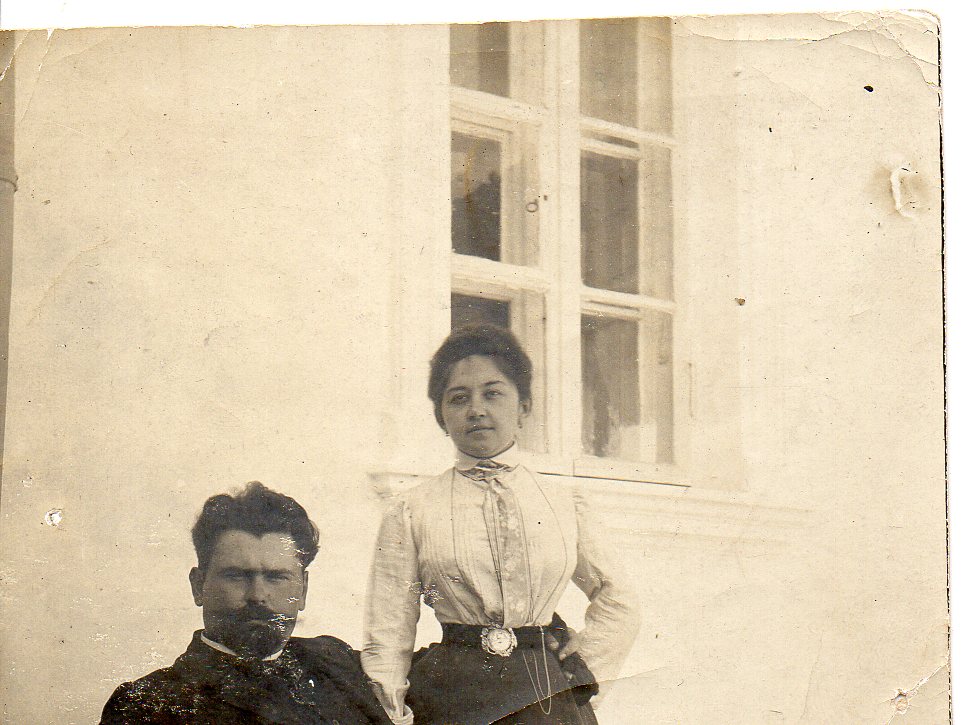
le père la mère de Lialia devant leur propriété ukrainienne de Grouchevka 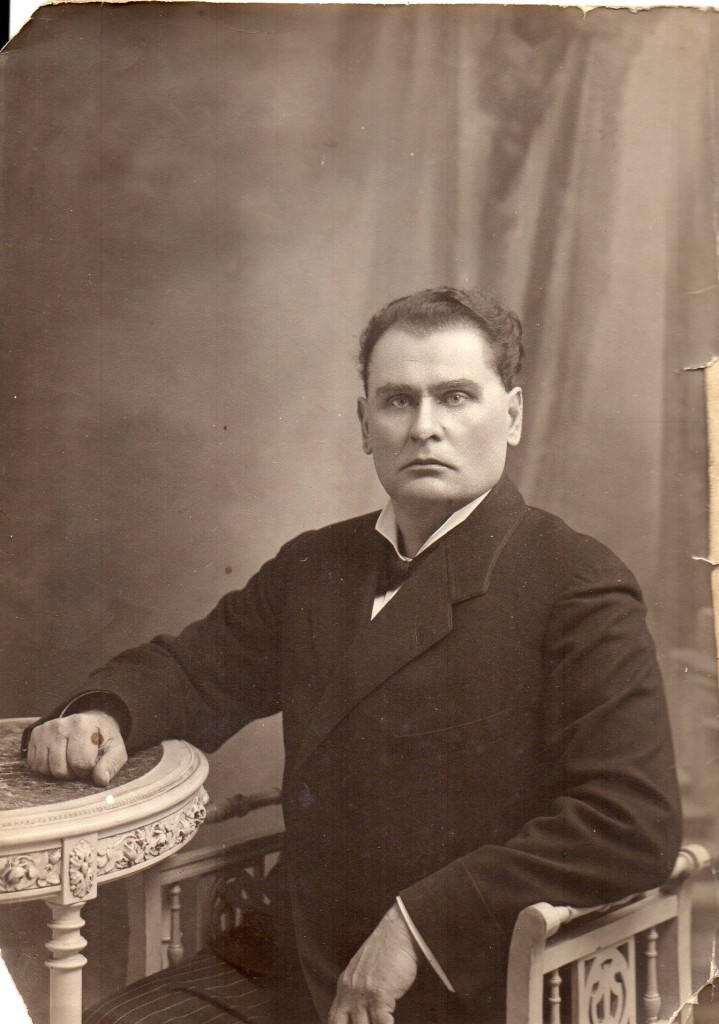
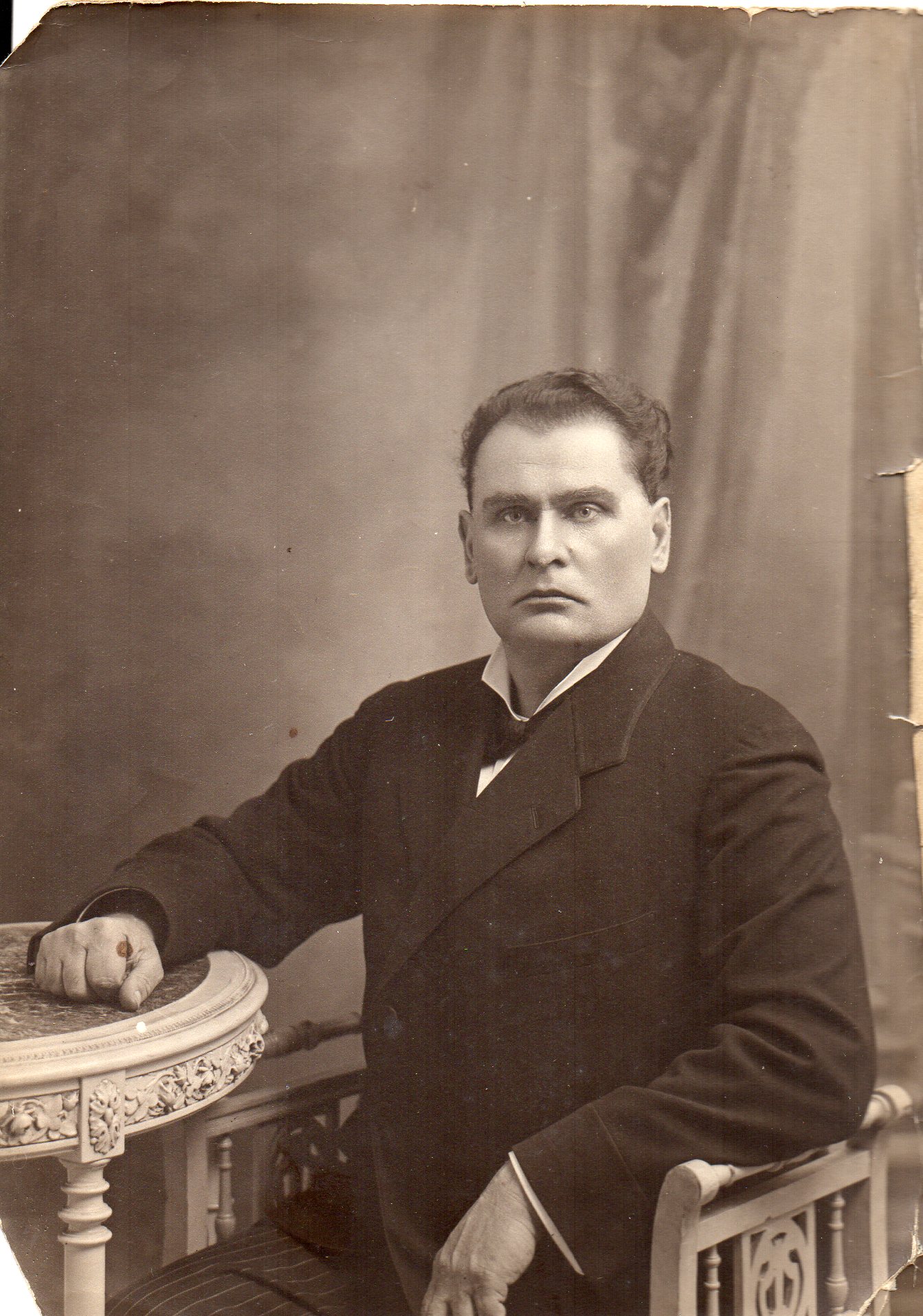
Le père de Lialia Dmitri Stépanovitch Wasiutinski 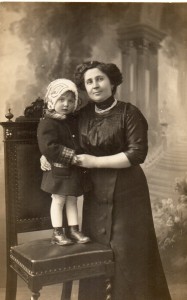
Lialia avec sa niania en Italie 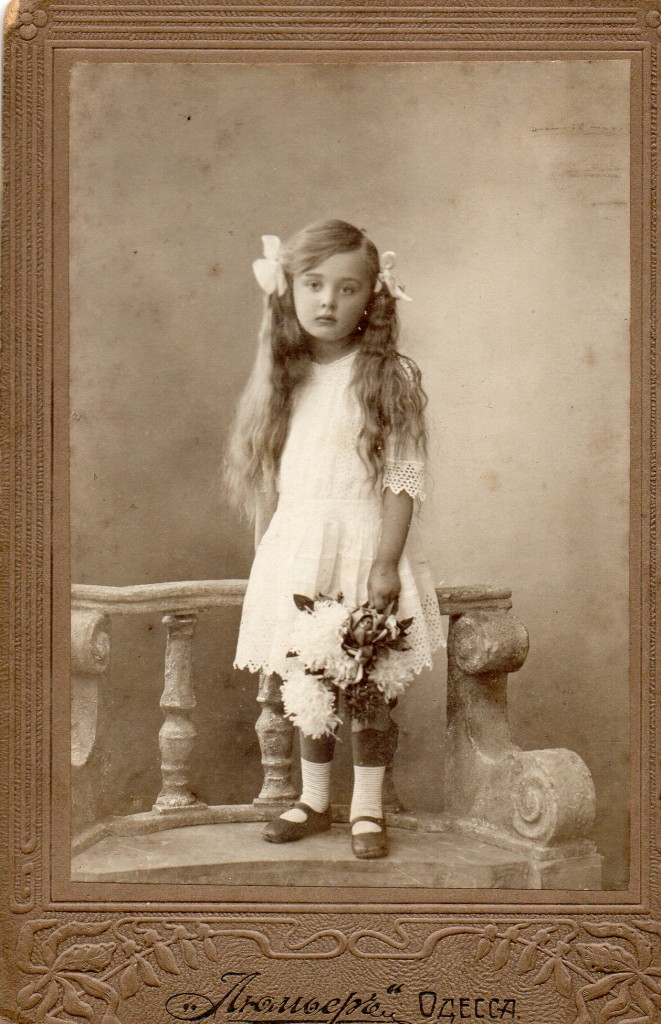
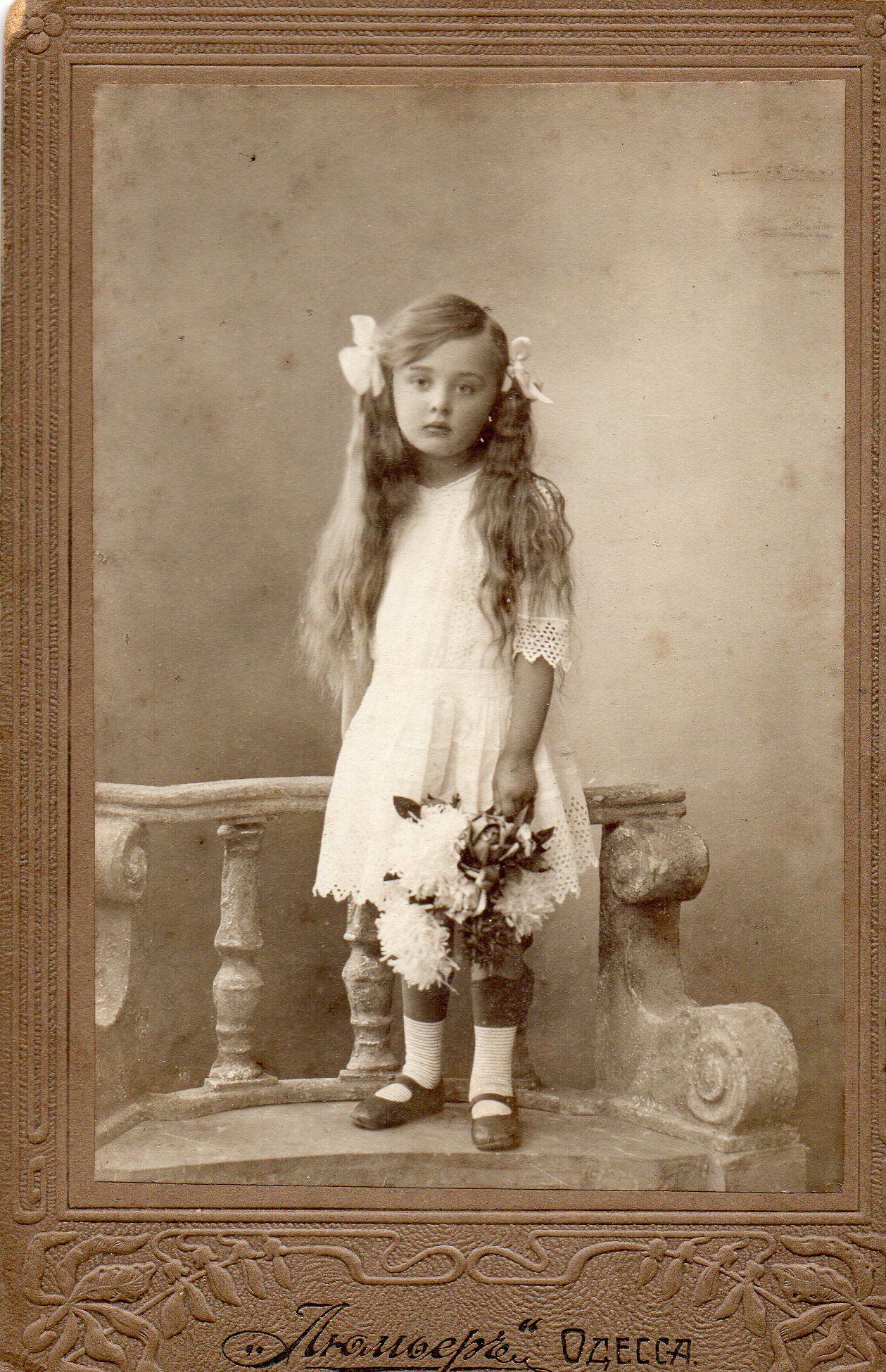
Lialia à Odessa 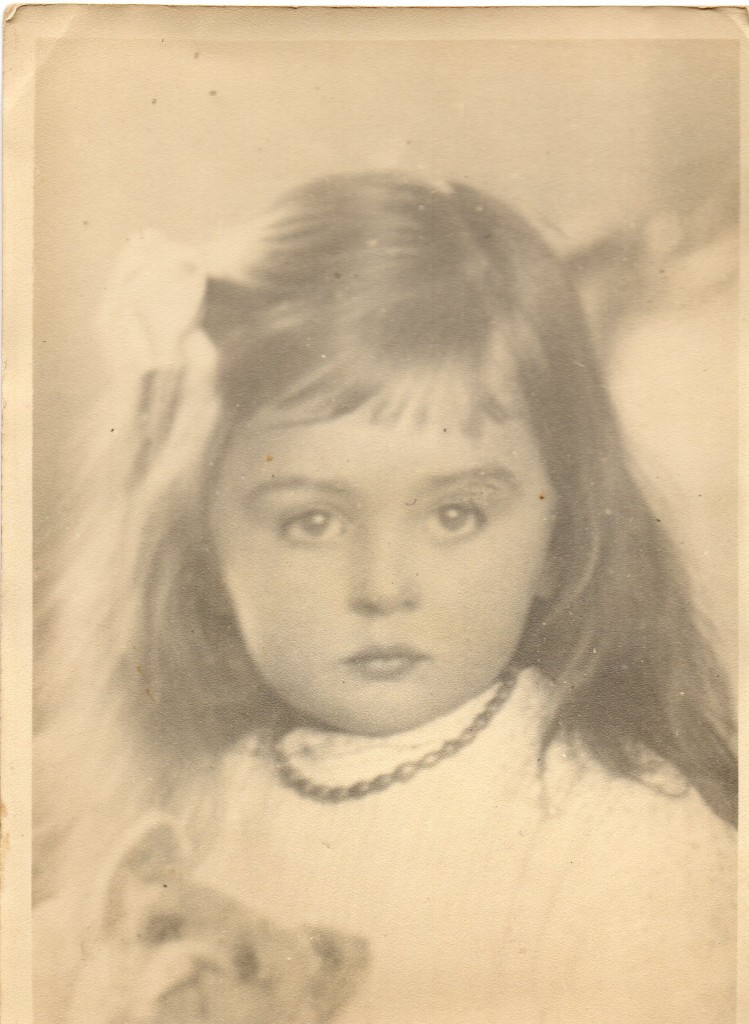
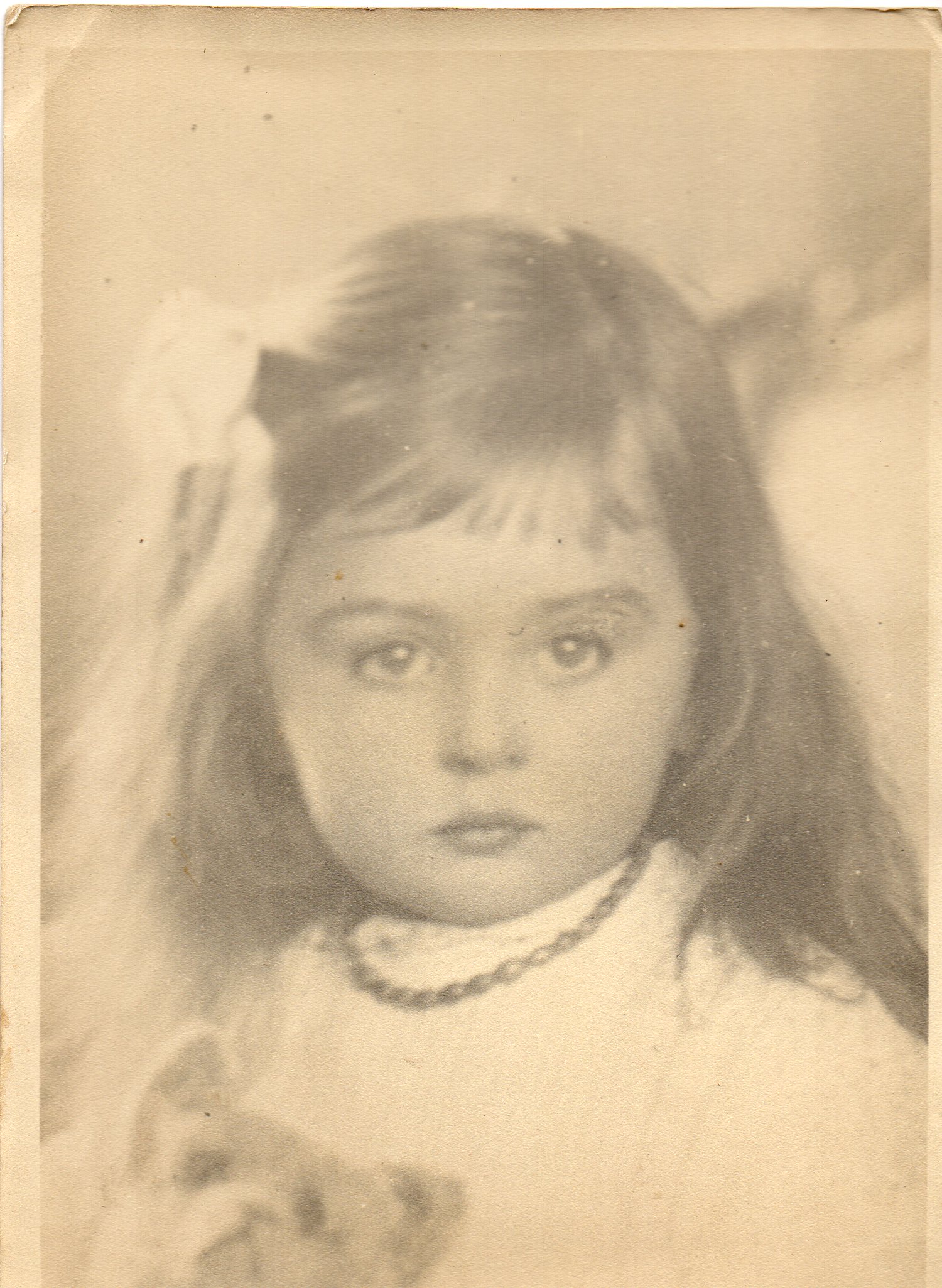
La petite Lialia en Ukraine avant l’âge de 10 ans 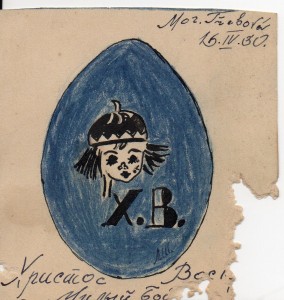
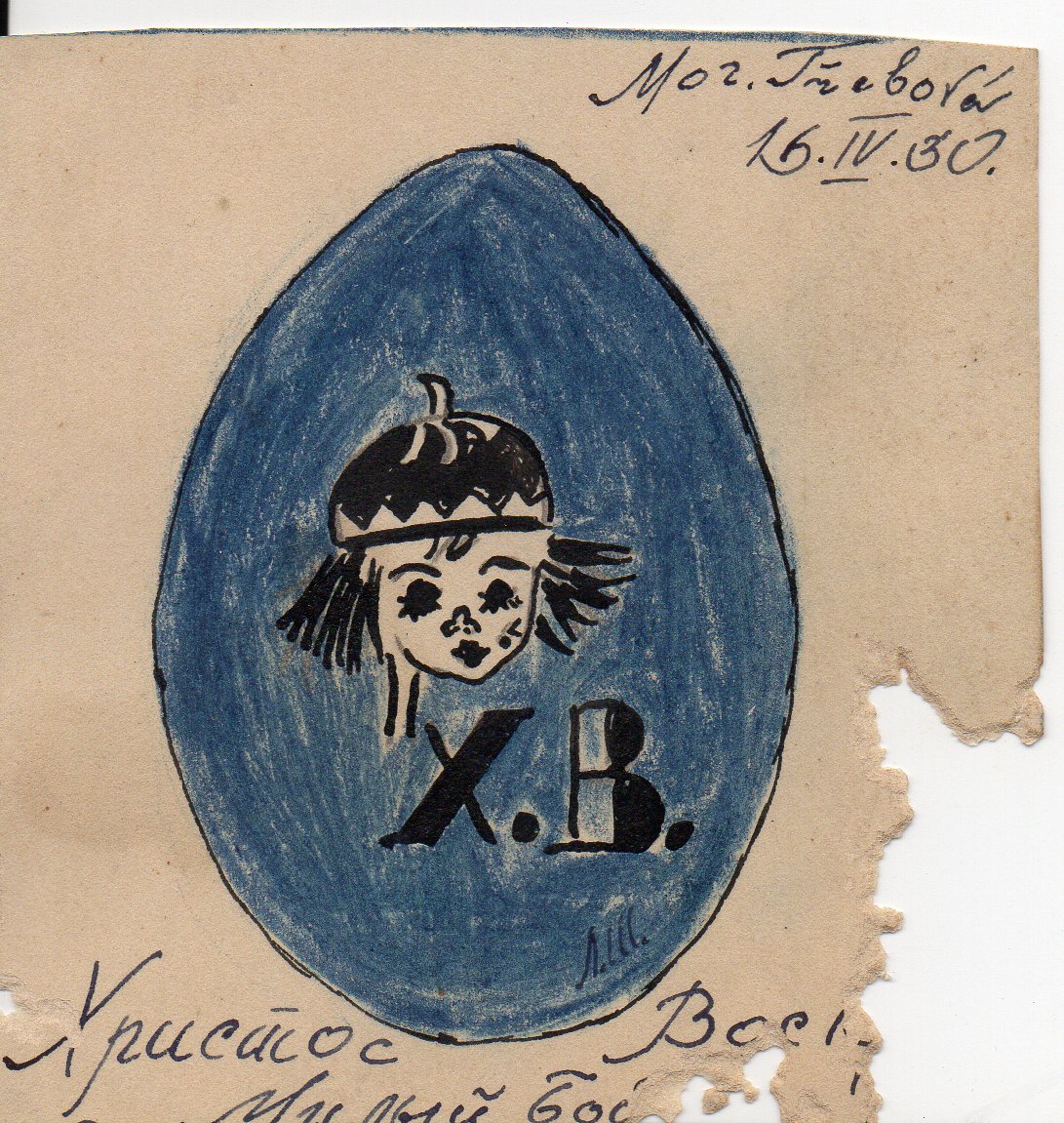
portrait de Liala sur un oeuf de Pâques 1930, l’année du bac à Moravska Třebova 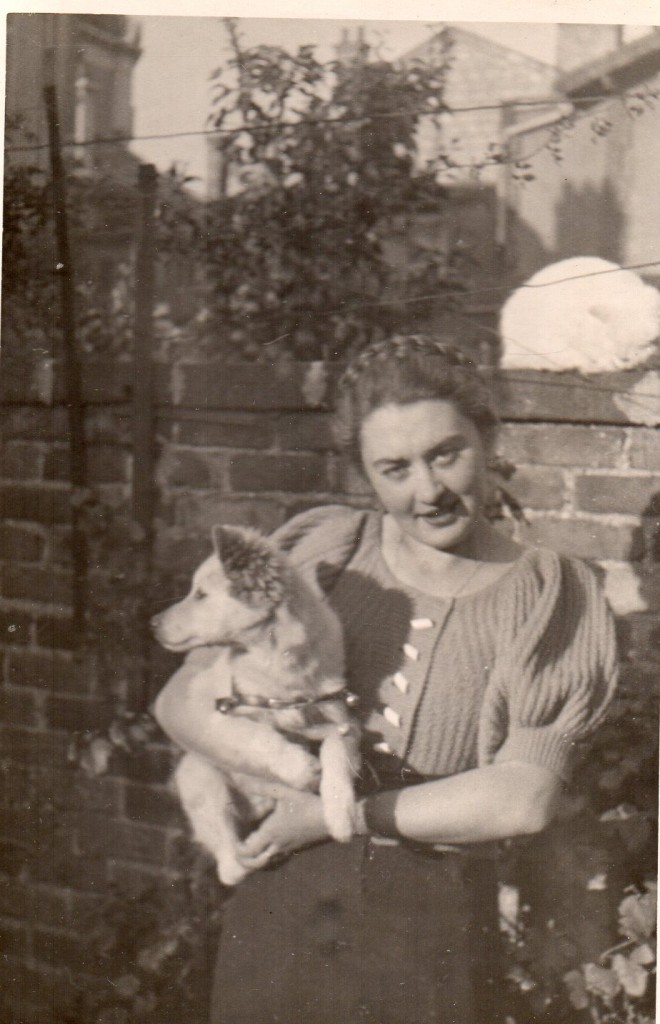
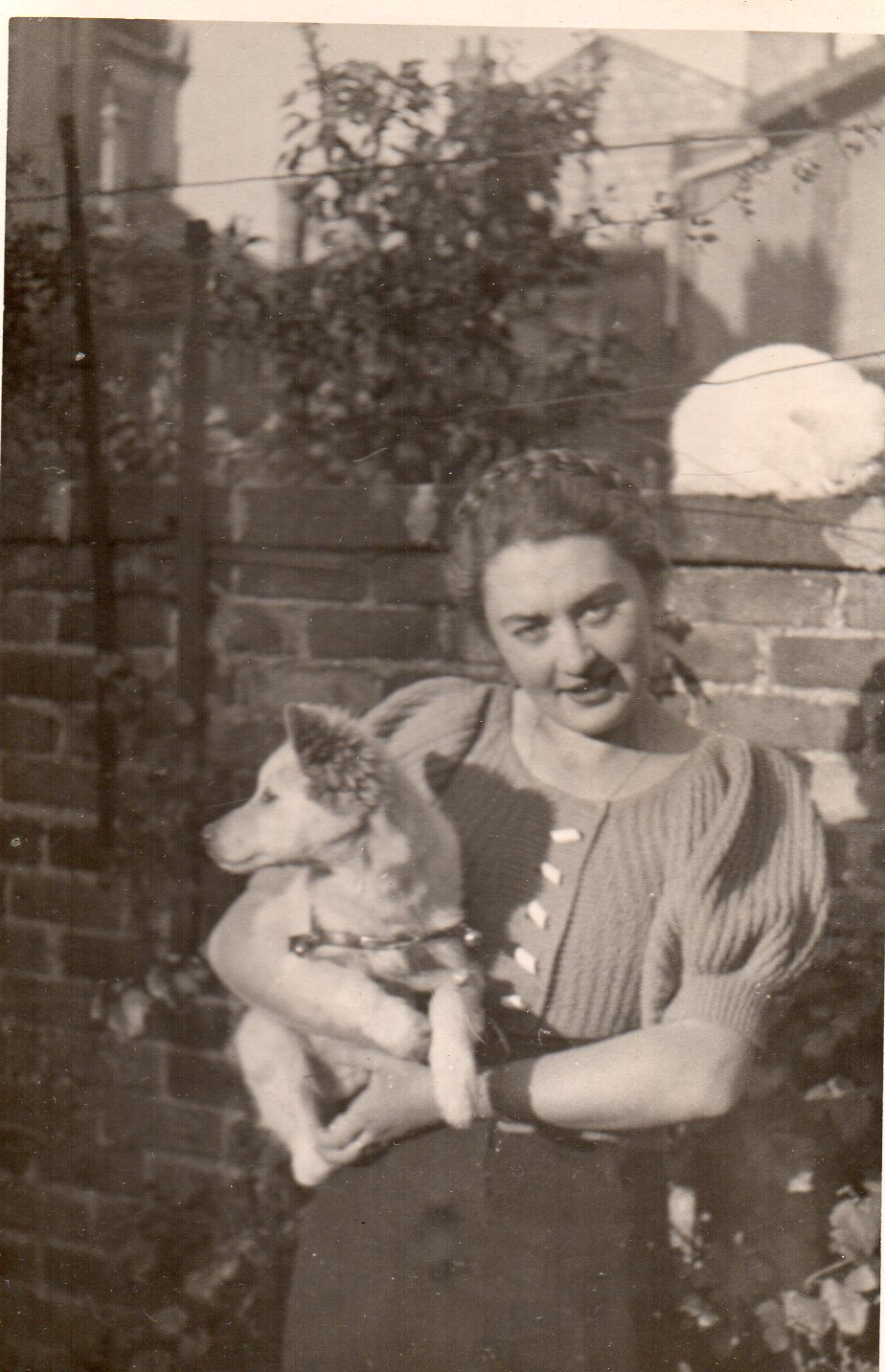
Lialia avec son chien Toukour dans les années 1930 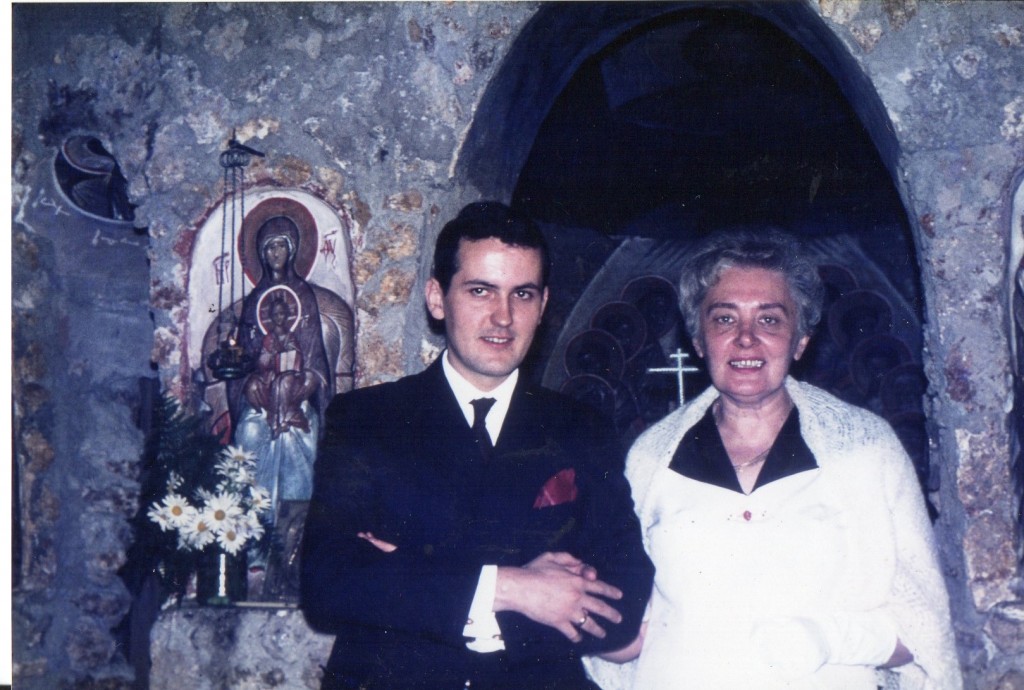
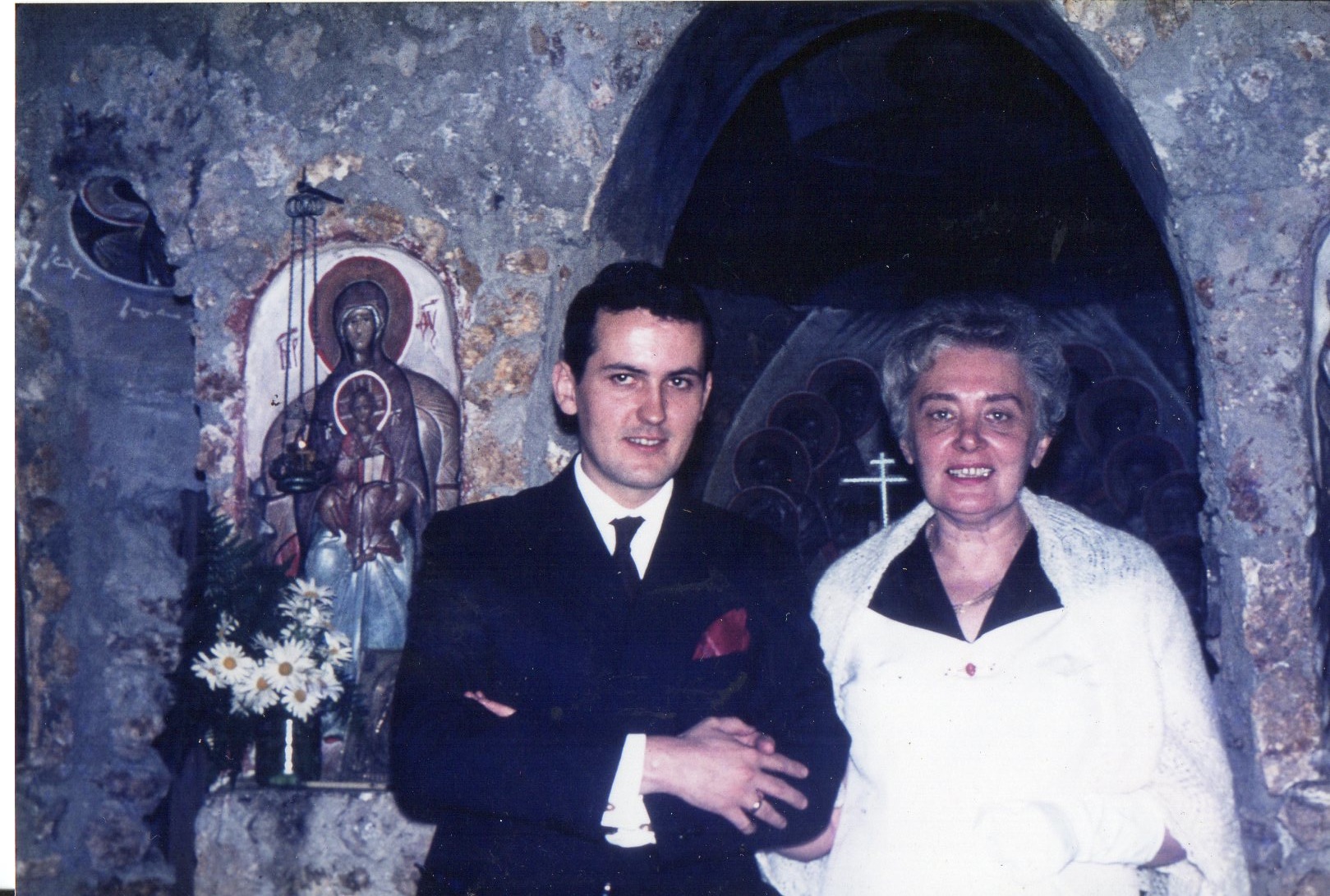
Lialia et Vania au Skit du Saint-Esprit (1966) 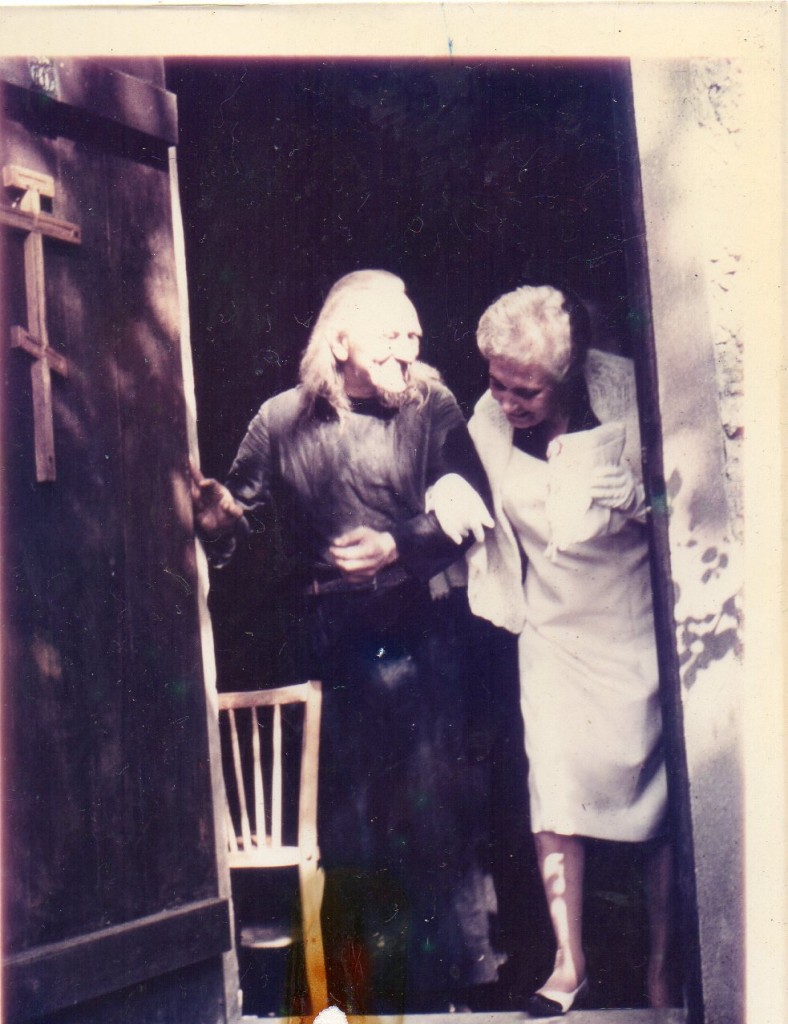
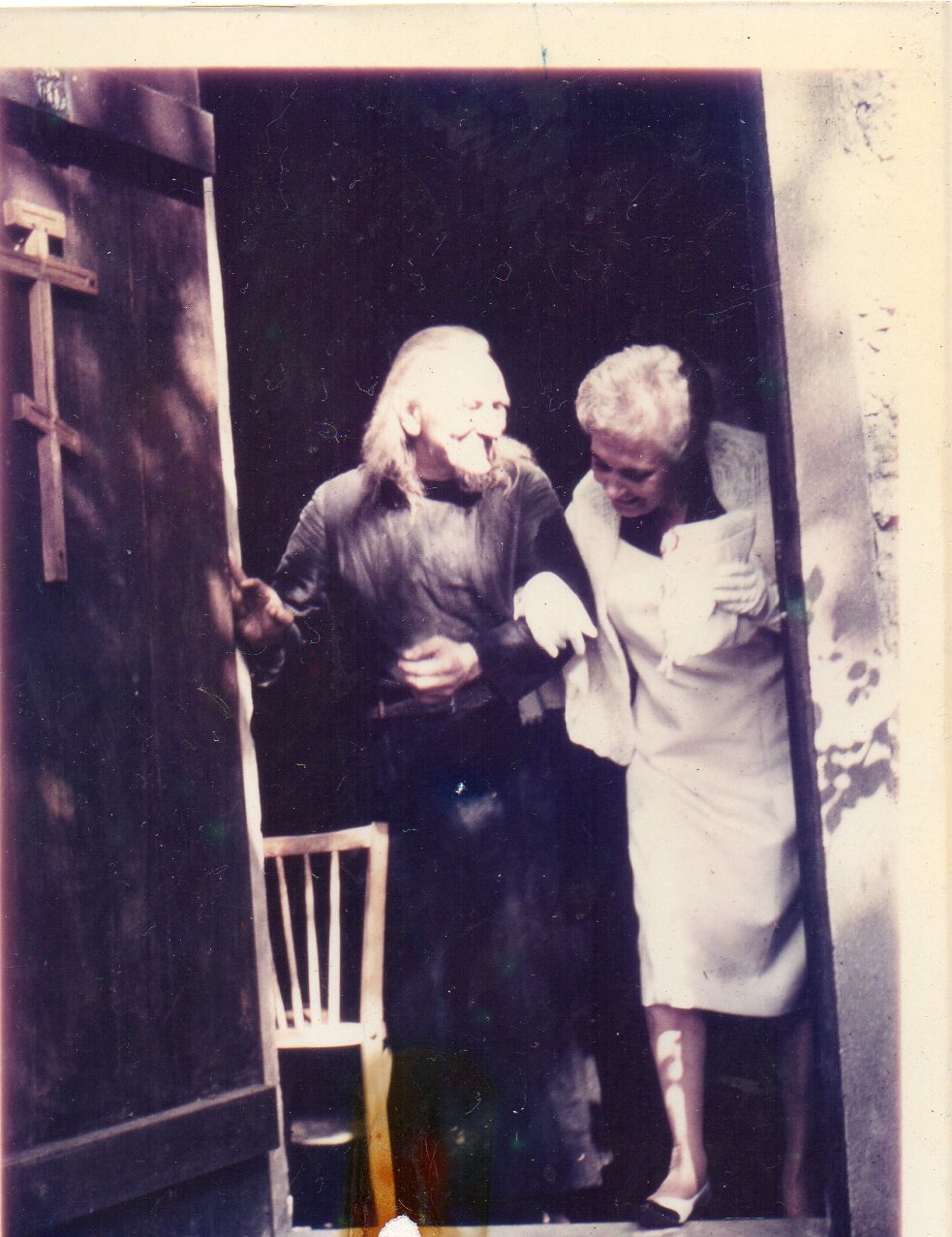
21:05.66 Père Grégoire et Lialia 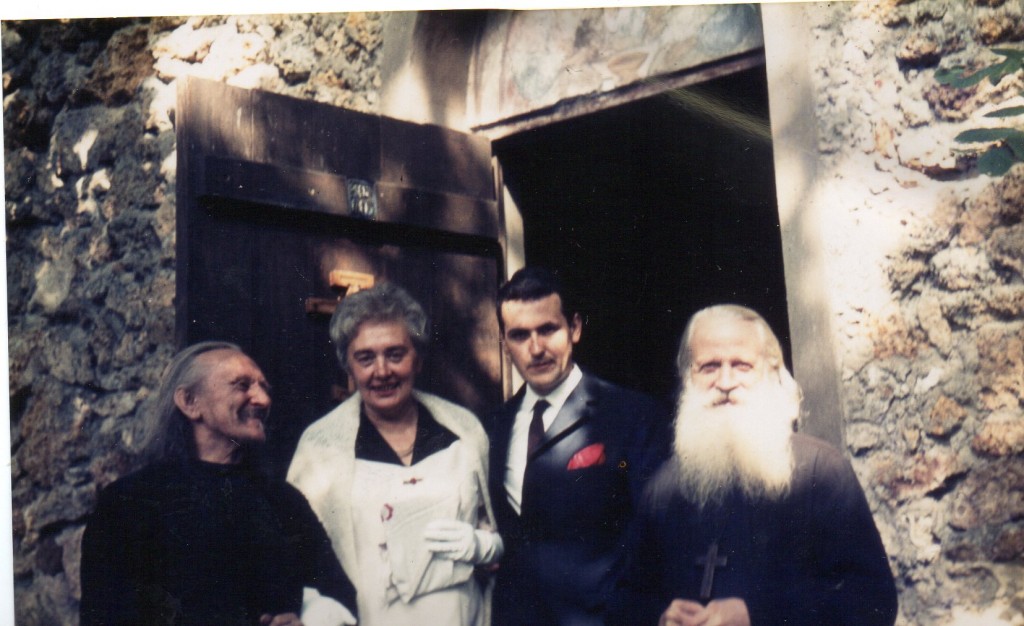
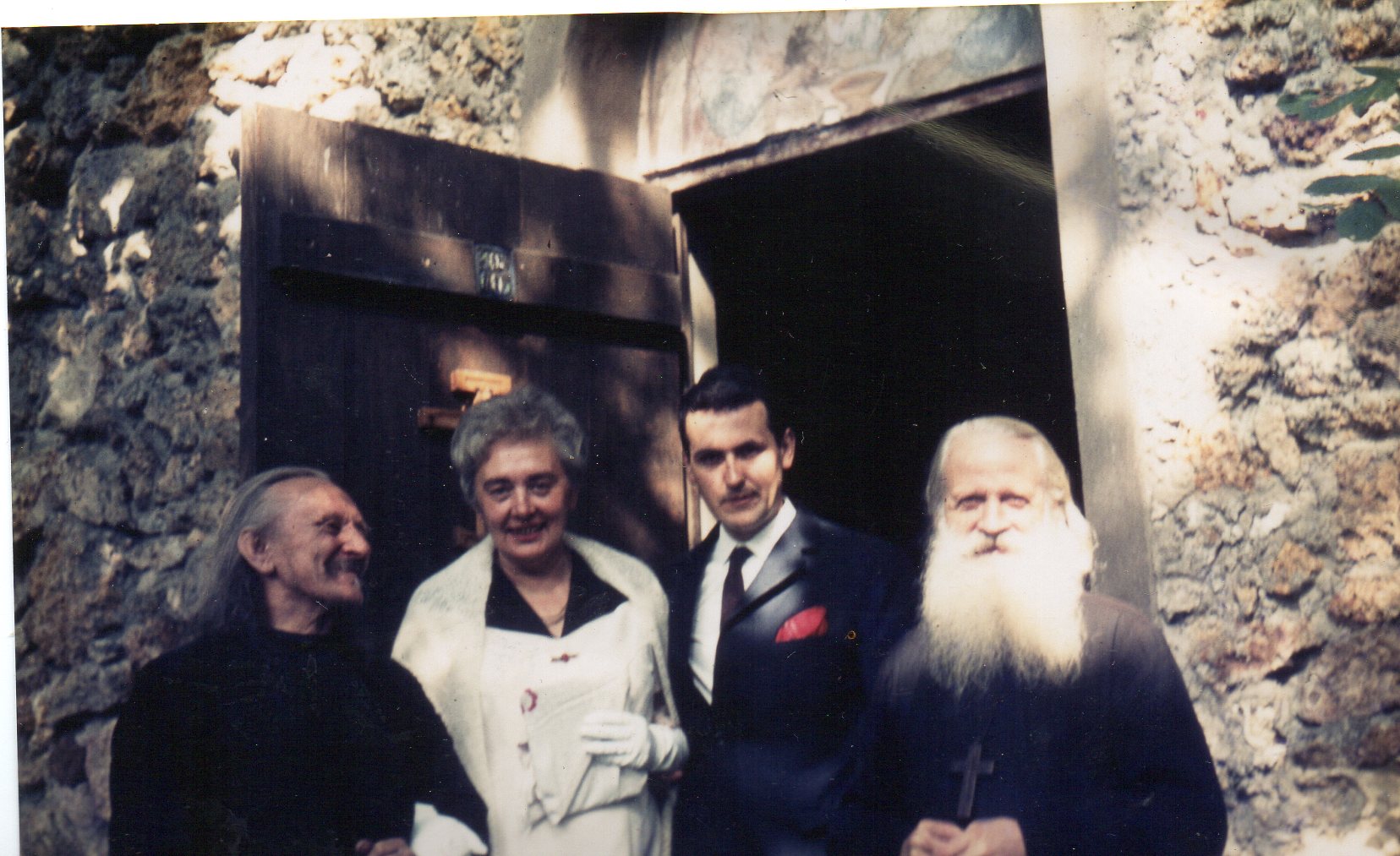
21:05.1966, Moine Grégoire, Lialia, Vania, Père Serge Chévitch 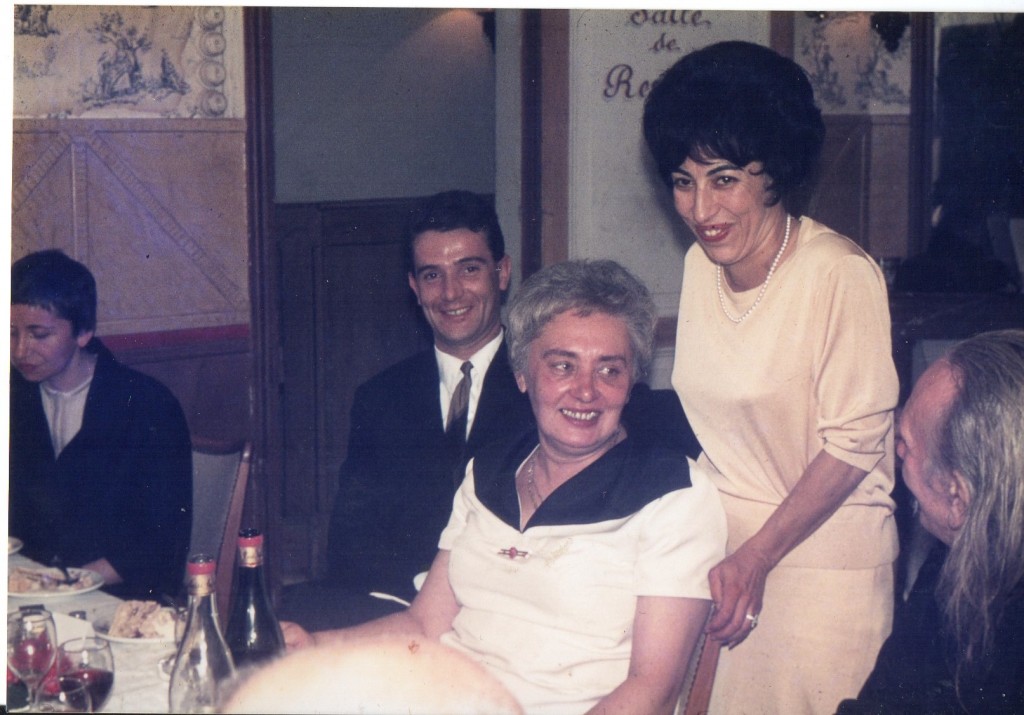
Madeleine Sébald, Serge Morin, Lialia, Lucette Vidal, Moine Grégoire 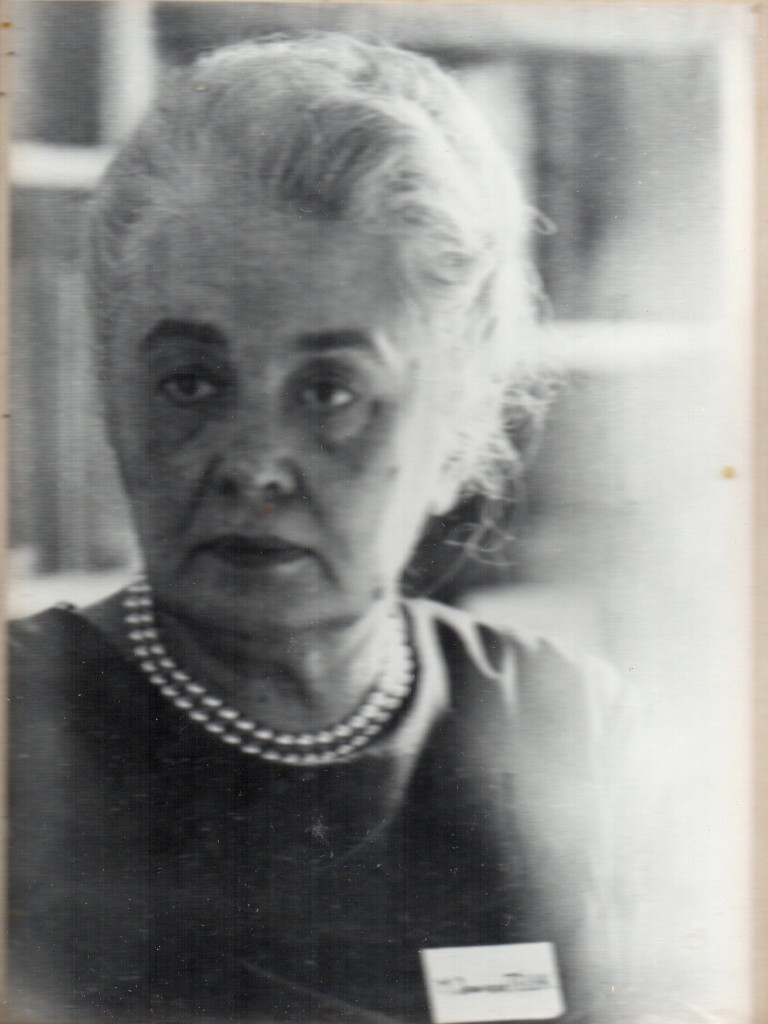
Lialia milieu années 1970 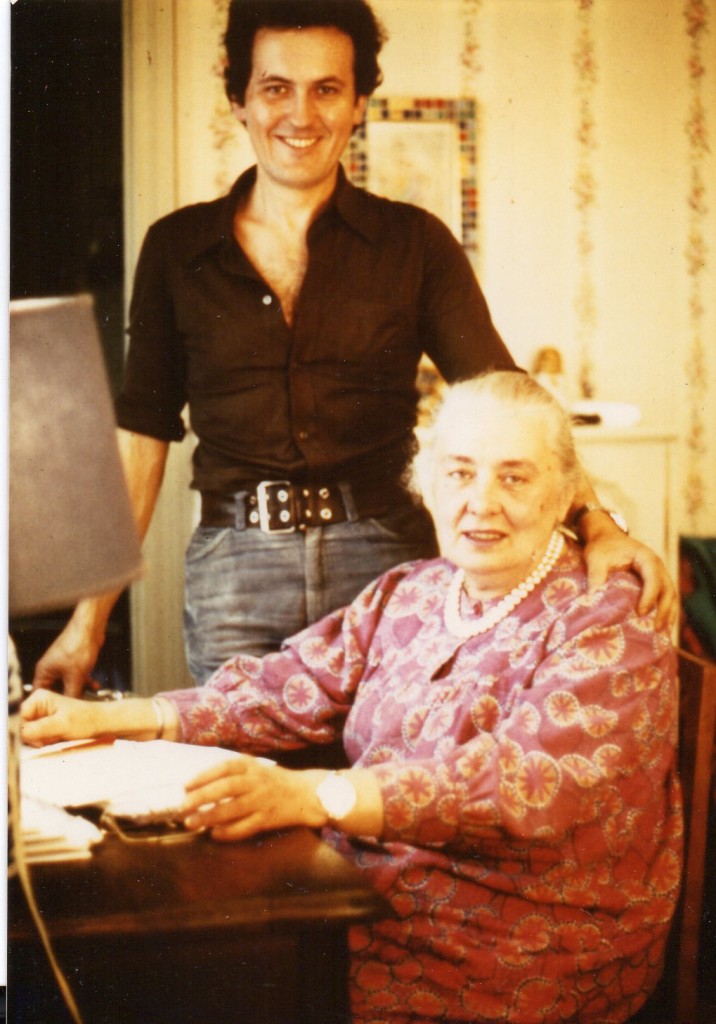
Vania et Lialia, vers 1970, photo de Vadym Pavlovsky -
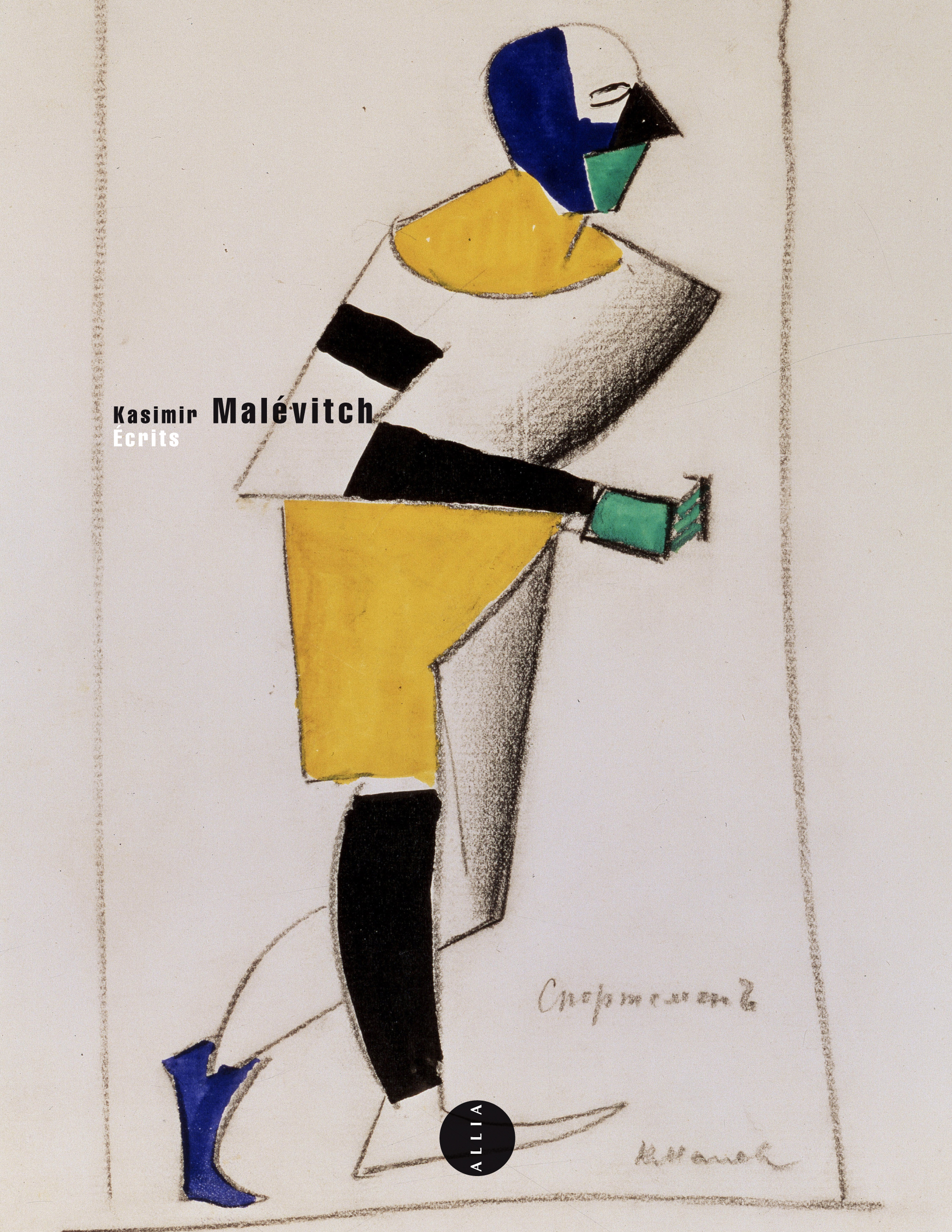
Kazimir Malévitch, Écrits, t. I, éd. Allia, 2015 (traduction du russe et de l’ukrainien par Jean-Claude Marcadé)
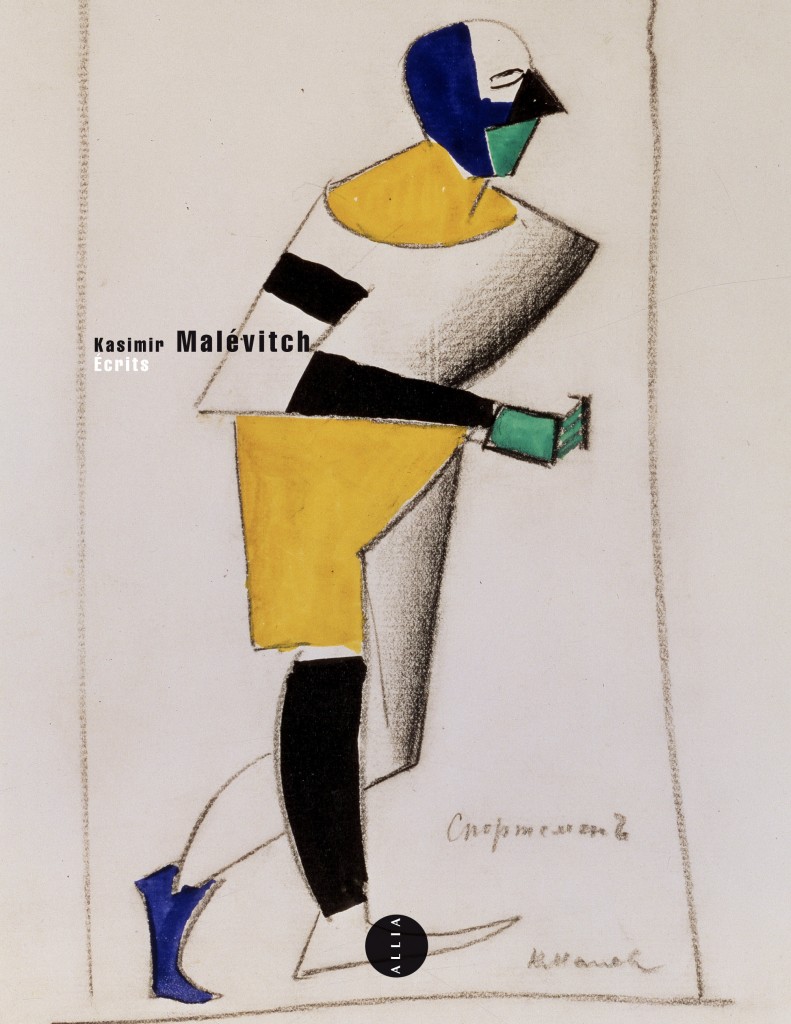
Écrits, t. I
Kazimir MalévitchIl faut balayer au plus vite les vieilles ruines et ériger un gratte-ciel tenace comme une balle de fusil !
éditions Allia
septembre 2015 – prix: 30 €
format : 170 x 220 mm
688 pages
ISBN: 978-2-84485-886-3« Quand disparaîtra l’habitude de la conscience de voir dans les tableaux la représentation de petits coins de la nature, de madones ou de vénus impudiques, alors seulement nous verrons l’œuvre picturale.
Je me suis transfiguré en zéro des formes et je me suis repêché du trou d’eau des détritus de l’Art Académique.
J’ai détruit l’anneau de l’horizon et suis sorti du cercle des choses, à partir de l’anneau de l’horizon dans lequel sont inclus le peintre et les formes de la nature. »L’on connaît Kazimir Malévitch pour son œuvre de peintre. L’on connaît moins son œuvre d’écriture, celle d’un théoricien hors pair. Écrits et peinture sont du reste indissociables, comme le montre avec clarté le présent ensemble. La place qu’a occupée le texte dans l’œuvre de Malévitch est immense, à la fois à titre d’enseignement, à titre de réflexion personnelle sur la peinture et l’art en général, et à titre stratégique. Ces écrits débutent en 1913 pour prendre fin en 1930. Ils comportent aussi bien ses manifestes que ses cours et ses traités. On y découvre le cheminement intellectuel de l’artiste et ce qui l’a conduit au suprématisme. Loin de n’être qu’une théorie esthétique, le suprématisme est une philosophie et un engagement politique, visant à la libération de l’individu. Mais dans ses écrits, Malévitch se montre aussi un fin connaisseur de l’histoire de l’art. La radicalité de son art s’inscrit dans une continuité, qu’il nous fait brillamment sentir à travers le regard subtil qu’il pose sur l’œuvre de Cézanne, de Van Gogh et de Monet, et après eux sur le cubisme et le futurisme. Malévitch adopte aussi le ton de la polémique virulente dans ses manifestes, notamment face à un symbolisme honni. Essentiellement parus dans la revue Anarchie, aux côtés des textes de Maïakovski, ces écrits le placent dans la lignée des avant-gardes. Malévitch apparaît également en pédagogue zélé, remportant l’adhésion du lecteur.
Livre illustré
Traduit du russe et de l’ukrainien par Jean-Claude Marcadé -
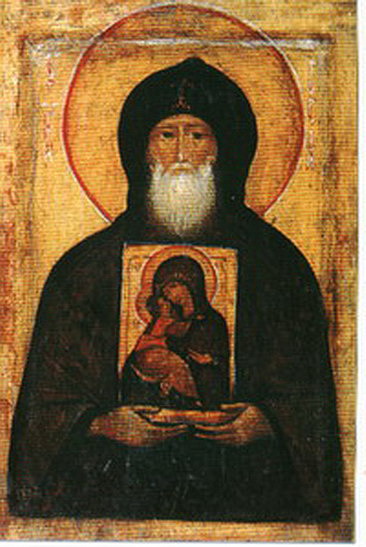
Преподобный Григорий, иконописец Печерский
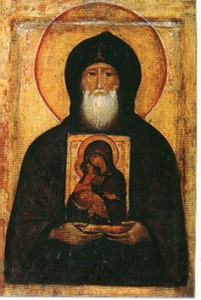
Moine Grégoire (Krug), « St Grégoire iconographe de la Laure des Grottes » 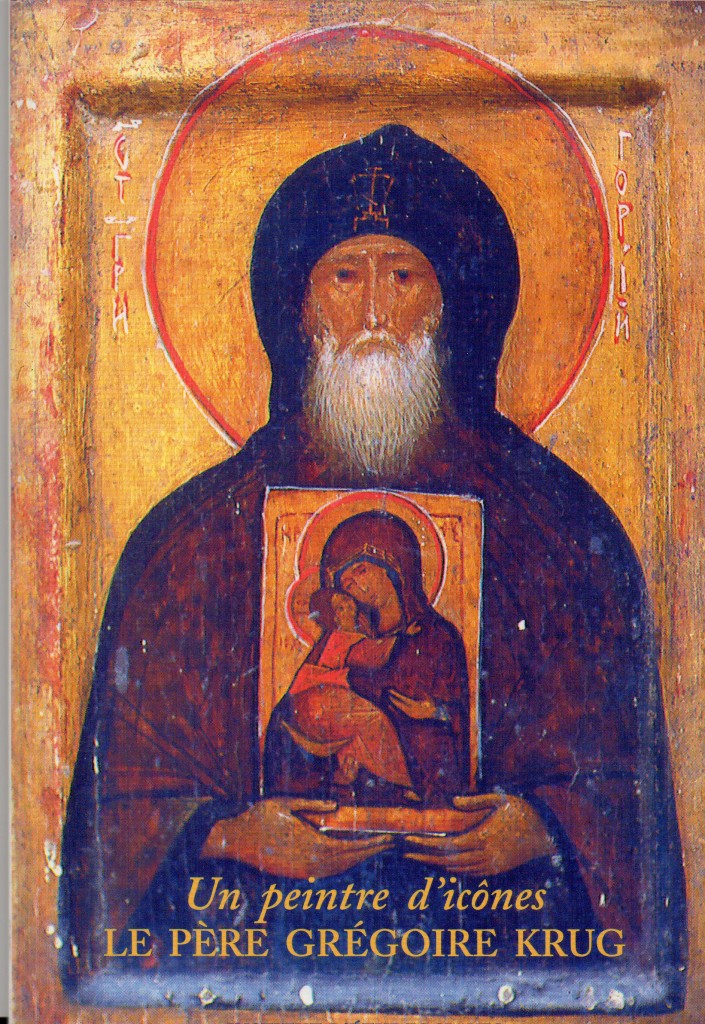
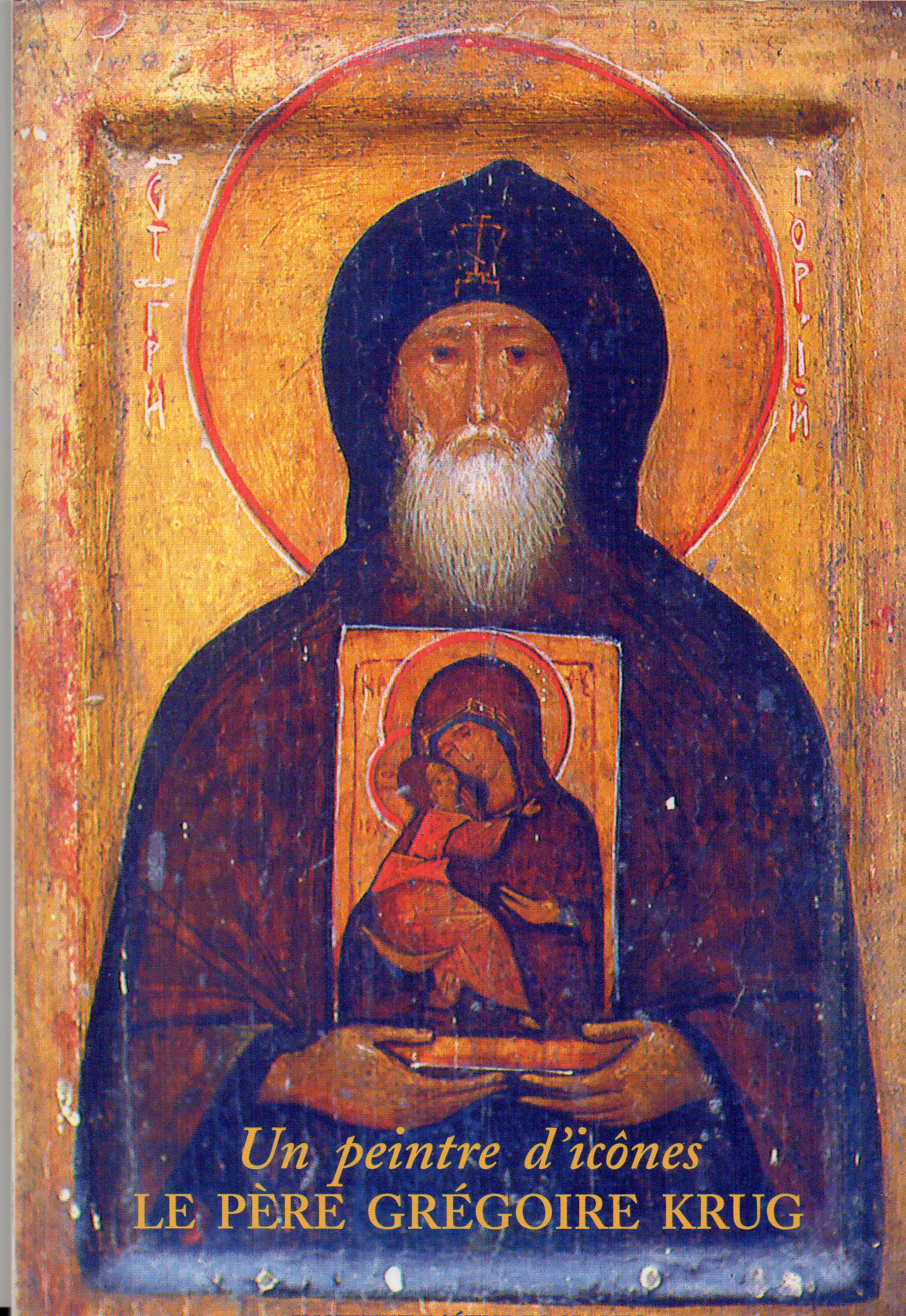
Couverture des actes du Colloque sur le moine Grégoire (Krug) Institut d’Études Slaves 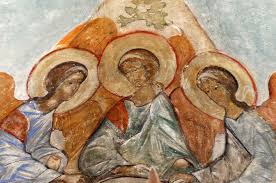
Moine Grégoire (Krug), peinture murale de la Trinité 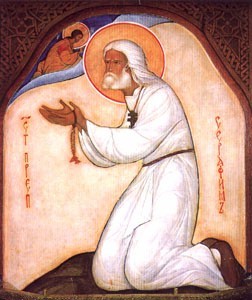
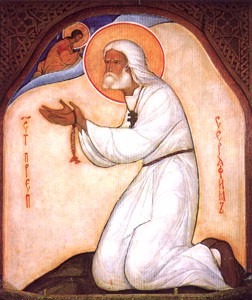
MOINE GRÉGOIRE (KRUG), « ST SÉRAPHIN DE SAROV » -
С ПРЕОБРАЖЕНИЕМ ГОСПОДНЕМ!
С ПРЕОБРАЖЕНИЕМ ГОСПОДНЕМ!
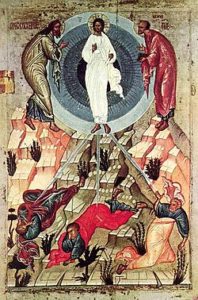
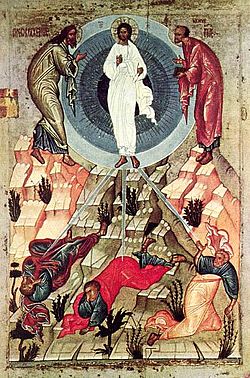
École de Novgorod,, XVe s. 
Le Mont Thabor 
Stoljarova I. V., На пути к преображению. Человек в прозе Н. С. Лескова [Sur la voie de la transfiguration. L’homme dans la prose de Nikolaï Leskov], Sankt-Peterburgskij Universitet, 2012, 326 pages.
Madame Stoljarova est une éminente leskoviste qui a enrichi par de très nombreux articles notre connaissance de l’auteur des Soborjane (le Clergé de la collégiale), de Očarovannyj strannik (l’Errant enchanté) et de tant d’autres chefs-d’œuvre de la littérature. Mme Stoljarova est également aujourd’hui à la tête de la rédaction des Œuvres complètes en trente tomes de Leskov dont elle vient de mettre sous presse le 12e tome.
[…]La plupart des critiques littéraires russes, avant et après la révolution bolchevique de 1917, aussi bien que beaucoup de critiques occidentaux, ont souligné le profond esprit religieux qui traverse l’œuvre de Leskov, qui en font, sous cet aspect, un émule de ses contemporains Dostoevskij et Tolstoj. D’une certaine manière, le nouveau livre de Mme Stoljarova développe de façon magistrale ce qui avait été esquissé par nombre d’historiens de la littérature comme Akim Volynskij, Nikolaj Lerner, ou même, au début de l’époque soviétique, le marxiste Pëtr Kogan qui pouvait écrire :
« L’époque [de Leskov ] partageait les gens en radicaux et révolutionnaires, lui les partageait entre personnes morales et personnes immorales. Son époque n’était pas religieuse, c’était l’époque du culte des sciences naturelles. Lui, il était le porte-parole d’un mode de penser religieux. »
Ou bien encore, le critique allemand Eberhard Reisser note en 1929 que « Leskov ne cesse pas de tourner ses pensées vers les questions de la foi». Rappelons- nous aussi que Walter Benjamin voyait dans la grande nouvelle l’Errant enchanté, entre autres, la marque de la pensée d’Origène sur l’apocatastase…
Irina Stoljarova mentionne, dès l’abord, que Leskov a affirmé que, pour lui, l’évangile n’était pas une doctrine abstraite, mais un guide pratique qui contenait les règles morales essentielles pour l’homme (p. 4). le livre de l’auteure est donc consacré principalement à faire apparaître la pensée d’un des grands esprits spirituels de la littérature russe. C’est ainsi qu’elle a mis ses études des diverses œuvres de Leskov sous l’égide de la Transfiguration, en citant dans Soborjane le passage de l’homélie du protopope Tuberozov, précisément le jour de cette grande fête de l’orthodoxie, où il proclame « la nécessité [pour l’homme] d’opérer constamment sa propre transfiguration, afin d’avoir la force, dans tous les combats, de se forger comme du métal solide et ductile et de ne pas être laminé comme une vile argile qui se dessèche en gardant l’empreinte du pied qui l’a foulée ». (Soborjane, première partie, ch. v, Journal en demi-coton du Père Tuberozov au 6 août 1837).[…]C’est l’homme russe « éternel » que Leskov, selon Irina Stoljarova, a scruté. La lecture des nouvelles analysées vise à faire apparaître une permanence chez cet homme russe de la quête d’un idéal de beauté, de bonté, de transfiguration. L’enquête psychologique, éthique, philosophique, spirituelle est servie par des analyses d’une grande finesse. Cela est peut-être le plus magistralement exposé dans le chapitre qu’elle consacre aux « motifs eschatologiques dans la nouvelle l’Errant enchanté » (p. 208-230). L’auteure avait auparavant souligné « le talent de l’homme russe capable de manifester dans son activité l’imagination la plus insolente (derzkaja fantazija) » (p. 71), « de manifester ses grands dons innés, son énorme force potentielle (ogromnaja nerastračennaja sila), l’audace, capable de tout démolir (vsesokrušitel’naja derzost’), de l’esprit » (p. 80).[…]
Mme Stoljarova insiste à plusieurs reprises sur l’élément de catharsis qui permet aux héros leskoviens de surmonter les tribulations de la vie, les crises morales, l’état peccamineux, pour atteindre la liberté intérieure, une nouvelle plénitude des forces. cela, c’est l’aspect « humaniste », lequel est traversé, comme illuminé, par l’idéal évangélique auquel l’écrivain n’a jamais cessé d’adhérer. cette transformation de l’homme lui permet d’atteindre la déification, la theosis, le bogopodobie, qui, depuis St Grégoire Palamas et la forte insertion de l’hésychie dans l’orthodoxie russienne, sont le filigrane de l’idéal de transfiguration de l’être humain, au-delà de ses chutes et de ses excès déviants. il faut lire attentivement le chapitre qu’Irina Stoljarova a intitulé « le miracle de la transfiguration de l’homme dans la création de Leskov et la tradition évangélique de la Transfiguration du Seigneur » (p. 246-261). Il est curieux que l’auteure appelle de façon récurrente le récit biblique « légende », alors qu’elle semble prendre à son compte l’orthodoxie de l’écrivain et de sa croyance au Dieu-Homme : sans doute un reliquat de la science soviétique ?
En tout cas, elle donne une place importante, dans son investigation de la transfiguration, à la nouvelle de 1890, Томление духа (La consomption de l’esprit) [L’expression « Томление духа » revient à plusieurs reprises dans la traduction russe de l’Ecclésiaste (1, 14 ; 1, 17 ; 4, 4 ; 4, 6) ; dans la plupart des langues européennes cette expression est généralement rendue par « poursuite du vent » (chez Luther, par « Haschen nach Wind »), mais la King’s John Version traduit par « vexation of spirit ».]. Le héros n’est pas un Russe (ce que ne précise pas l’auteure) mais un modeste précepteur allemand dans une maison de seigneurs, le type même du malen’kij čelovek, plein de bizarreries et quelque peu ridicule, Ivan Jakovlevič, que ses maîtres appellent Koza, la Chèvre, car on a même oublié son nom de famille. Il est chassé de la maison pour sa dénonciation virulente, au nom du message évangélique du Christ, d’une injustice et d’un mensonge éhonté: grâce aux faux témoignages de toute la maisonnée on a fouetté (vysekli) un domestique pour un acte commis en fait par le fils de la femme du gouverneur de l’endroit en visite. Koza part sur la route de l’exil sans la moindre plainte. À sa rencontre viennent les enfants qui étaient ses élèves et ont participé à l’iniquité, ils l’appellent : Koza leur tient le même langage de l’évangile, qu’il faut « faire l’œuvre de Dieu », qu’il ne faut pas avoir peur, qu’entre lui et ceux qui l’ont chassé, il n’y a pas la peur mais le Christ ; et là se produit un événement inattendu : le visage du petit homme sans intérêt est inondé de lumière et les enfants rapportent « que soudain il était comme devenu quelqu’un d’autre : il avait en quelque sorte grandi et s’était entièrement illuminé (rassvetilsja) » . Est-ce un effet d’optique provoqué par l’éclairage solaire ou est-ce la lumière du Thabor qui s’est alors manifestée, fait semblant de s’interroger l’écrivain. tout indique qu’il s’agit bien d’une transfiguration spirituelle. toute la personne de Koza subit une mutation, sa voix se transforme elle aussi et il devient invisible. Et Irina Stoljarova de commenter avec justesse: « Dans le finale, l’image de Koza subit une nouvelle et substantielle transformation : il atteint l’ultime degré du perfectionnement dans la déification, il perd sa nature matérielle, est transporté dans le monde d’En-Haut et se fond pleinement dans Dieu le Père. » (p. 258)
On le voit, pour Leskov, il s’agit bien de faits de la vie spirituelle qui sont universels et ne sont pas propres au seul homme russe. Irina Stoljarova trouve des échos de la métamorphose spirituelle du héros de Tomlenie duxa chez d’autres personnages leskoviens (par exemple Odnodum, le Monoïdéiste, le diacre Achille et le touchant nain Nikolaj Afanas’evič dans Soborjane ou encore le petit homme, faible et sans défense qu’est le père Kiriak dans Na kraju sveta). mais elle note aussi des similitudes avec le sublime « idiot » de Dostoevskij, le prince Myškin qui, lui aussi, présente « des traits d’enfantillage et de fragilité physique maladive » (p. 258).L’angle philosophique-éthique qu’Irina Stoljarova a choisi pour décrypter de façon insistante la vision du monde essentielle de Leskov laisse, cependant, totalement ouvert l’autre aspect du génie de l’auteur de l’Ange scellé, celui de son écriture qui le distingue radicalement des autres écrivains contemporains. Grâce à cette écriture « autre », Leskov annonce le renouvellement du langage artistique russe au XXe siècle, de Remizov à Solženicyn.
Jean-Claude Marcadé
CNRS – Institut d’esthétique des arts et des technologie
École de Novgorod, XVe s. -
Le début de l’extraordinaire « Bouvard et Pécuchet »
Il y a en chacun de nous un peu de Bouvard et Pécuchet…
Comme il faisait une chaleur de trente-trois degrés, le boulevard Bourdon se trouvait absolument désert.
Plus bas le canal Saint-Martin, fermé par les deux écluses étalait en ligne droite son eau couleur d’encre. Il y avait au milieu, un bateau plein de bois, et sur la berge deux rangs de barriques.
Au delà du canal, entre les maisons que séparent des chantiers, le grand ciel pur se découpait en plaques d’outremer, et sous la réverbération du soleil, les façades blanches, les toits d’ardoises, les quais de granit éblouissaient. Une rumeur confuse montait du loin dans l’atmosphère tiède ; et tout semblait engourdi par le désœuvrement du dimanche et la tristesse des jours d’été.
Deux hommes parurent.
L’un venait de la Bastille, l’autre du Jardin des Plantes. Le plus grand, vêtu de toile, marchait le chapeau en arrière, le gilet déboutonné et sa cravate à la main. Le plus petit, dont le corps disparaissait dans une redingote marron, baissait la tête sous une casquette à visière pointue.
Quand ils furent arrivés au milieu du boulevard, ils s’assirent à la même minute, sur le même banc.
Pour s’essuyer le front, ils retirèrent leurs coiffures, que chacun posa près de soi. Et le petit homme aperçut écrit dans le chapeau de son voisin : « Bouvard » ; pendant que celui-ci distinguait aisément dans la casquette du particulier en redingote le mot : « Pécuchet ».
— « Tiens ! » dit-il « nous avons eu la même idée, celle d’inscrire notre nom dans nos couvre-chefs. »
— « Mon Dieu, oui ! on pourrait prendre le mien à mon bureau ! »
— « C’est comme moi, je suis employé. »
Alors ils se considérèrent.
L’aspect aimable de Bouvard charma de suite Pécuchet.
Ses yeux bleuâtres, toujours entreclos, souriaient dans son visage coloré. Un pantalon à grand-pont, qui godait par le bas sur des souliers de castor, moulait son ventre, faisait bouffer sa chemise à la ceinture ; – et ses cheveux blonds, frisés d’eux-mêmes en boucles légères, lui donnaient quelque chose d’enfantin.
Il poussait du bout des lèvres une espèce de sifflement continu.
L’air sérieux de Pécuchet frappa Bouvard.
On aurait dit qu’il portait une perruque, tant les mèches garnissant son crâne élevé étaient plates et noires. Sa figure semblait tout en profil, à cause du nez qui descendait très bas. Ses jambes prises dans des tuyaux de lasting manquaient de proportion avec la longueur du buste ; et il avait une voix forte, caverneuse.
Cette exclamation lui échappa : — « Comme on serait bien à la campagne ! »
Mais la banlieue, selon Bouvard, était assommante par le tapage des guinguettes. Pécuchet pensait de même. Il commençait néanmoins à se sentir fatigué de la capitale, Bouvard aussi.
Et leurs yeux erraient sur des tas de pierres à bâtir, sur l’eau hideuse où une botte de paille flottait, sur la cheminée d’une usine se dressant à l’horizon ; des miasmes d’égout s’exhalaient. Ils se tournèrent de l’autre côté. Alors, ils eurent devant eux les murs du Grenier d’abondance.
Décidément (et Pécuchet en était surpris) on avait encore plus chaud dans les rues que chez soi !
Bouvard l’engagea à mettre bas sa redingote. Lui, il se moquait du qu’en dira-t-on !
Tout à coup, un ivrogne traversa en zigzag le trottoir ; – et à propos des ouvriers, ils entamèrent une conversation politique. Leurs opinions étaient les mêmes, bien que Bouvard fût peut-être plus libéral.
Un bruit de ferrailles sonna sur le pavé, dans un tourbillon de poussière. C’étaient trois calèches de remise qui s’en allaient vers Bercy, promenant une mariée avec son bouquet, des bourgeois en cravate blanche, des dames enfouies jusqu’aux aisselles dans leur jupon, deux ou trois petites filles, un collégien. La vue de cette noce amena Bouvard et Pécuchet à parler des femmes, – qu’ils déclarèrent frivoles, acariâtres, têtues. Malgré cela, elles étaient souvent meilleures que les hommes ; d’autres fois elles étaient pires. Bref, il valait mieux vivre sans elles ; aussi Pécuchet était resté célibataire.
— « Moi je suis veuf » dit Bouvard « et sans enfants ! »
— « C’est peut-être un bonheur pour vous ? » Mais la solitude à la longue était bien triste.
Puis, au bord du quai, parut une fille de joie, avec un soldat. Blême, les cheveux noirs et marquée de petite vérole, elle s’appuyait sur le bras du militaire, en traînant ses savates et balançant les hanches.
Quand elle fut plus loin, Bouvard se permit une réflexion obscène. Pécuchet devint très rouge, et sans doute pour s’éviter de répondre, lui désigna du regard un prêtre qui s’avançait.
L’ecclésiastique descendit avec lenteur l’avenue des maigres ormeaux jalonnant le trottoir, et Bouvard dès qu’il n’aperçut plus le tricorne, se déclara soulagé car il exécrait les jésuites. Pécuchet, sans les absoudre, montra quelque déférence pour la religion.
Cependant le crépuscule tombait et des persiennes en face s’étaient relevées. Les passants devinrent plus nombreux. Sept heures sonnèrent.
Leurs paroles coulaient intarissablement, les remarques succédant aux anecdotes, les aperçus philosophiques aux considérations individuelles. Ils dénigrèrent le corps des Ponts et chaussées, la régie des tabacs, le commerce, les théâtres, notre marine et tout le genre humain, comme des gens qui ont subi de grands déboires. Chacun en écoutant l’autre retrouvait des parties de lui-même oubliées ; – et bien qu’ils eussent passé l’âge des émotions naïves, ils éprouvaient un plaisir nouveau, une sorte d’épanouissement, le charme des tendresses à leur début.
Vingt fois ils s’étaient levés, s’étaient rassis et avaient fait la longueur du boulevard depuis l’écluse d’amont jusqu’à l’écluse d’aval, chaque fois voulant s’en aller, n’en ayant pas la force, retenus par une fascination.
Ils se quittaient pourtant, et leurs mains étaient jointes, quand Bouvard dit tout à coup :
— « Ma foi ! si nous dînions ensemble ? »
— « J’en avais l’idée ! » reprit Pécuchet. « Mais je n’osais pas vous le proposer ! »
Et il se laissa conduire en face de l’Hôtel de Ville, dans un petit restaurant où l’on serait bien.
Bouvard commanda le menu.
Pécuchet avait peur des épices comme pouvant lui incendier le corps. Ce fut l’objet d’une discussion médicale. Ensuite, ils glorifièrent les avantages des sciences : que de choses à connaître ! que de recherches – si on avait le temps ! Hélas, le gagne-pain l’absorbait ; et ils levèrent les bras d’étonnement, ils faillirent s’embrasser par-dessus la table en découvrant qu’ils étaient tous les deux copistes, Bouvard dans une maison de commerce, Pécuchet au ministère de la Marine, – ce qui ne l’empêchait pas de consacrer, chaque soir, quelques moments à l’étude. Il avait noté des fautes dans l’ouvrage de M. Thiers et il parla avec les plus grands respects d’un certain Dumouchel, professeur.
Bouvard l’emportait par d’autres côtés. Sa chaîne de montre en cheveux et la manière dont il battait la rémolade décelaient le roquentin plein d’expérience ; et il mangeait le coin de la serviette dans l’aisselle, en débitant des choses qui faisaient rire Pécuchet. C’était un rire particulier, une seule note très basse, toujours la même, poussée à de longs intervalles. Celui de Bouvard était continu, sonore, découvrait ses dents, lui secouait les épaules,et les consommateurs à la porte s’en retournaient.
Le repas fini, ils allèrent prendre le café dans un autre établissement. Pécuchet en contemplant les becs de gaz gémit sur le débordement du luxe, puis d’un geste dédaigneux écarta les journaux. Bouvard était plus indulgent à leur endroit. Il aimait tous les écrivains en général, et avait eu dans sa jeunesse des dispositions pour être acteur !
Il voulut faire des tours d’équilibre avec une queue de billard et deux boules d’ivoire comme en exécutait Barberou, un de ses amis. Invariablement, elles tombaient, et roulant sur le plancher entre les jambes des personnes allaient se perdre au loin. Le garçon qui se levait toutes les fois pour les chercher à quatre pattes sous les banquettes finit par se plaindre. Pécuchet eut une querelle avec lui ; le limonadier survint, il n’écouta pas ses excuses et même chicana sur la consommation.
Il proposa ensuite de terminer la soirée paisiblement dans son domicile qui était tout près, rue Saint-Martin.
À peine entré, il endossa une manière de camisole en indienne et fit les honneurs de son appartement.
Un bureau de sapin placé juste dans le milieu incommodait par ses angles ; et tout autour, sur des planchettes, sur les trois chaises, sur le vieux fauteuil et dans les coins se trouvaient pêle-mêle plusieurs volumes de l’encyclopédie Roret, le Manuel du magnétiseur, un Fénelon, d’autres bouquins, – avec des tas de paperasses, deux noix de coco, diverses médailles, un bonnet turc – et des coquilles, rapportées du Havre par Dumouchel. Une couche de poussière veloutait les murailles autrefois peintes en jaune. La brosse pour les souliers traînait au bord du lit dont les draps pendaient. On voyait au plafond une grande tache noire, produite par la fumée de la lampe.
Bouvard, – à cause de l’odeur sans doute, demanda la permission d’ouvrir la fenêtre.
— « Les papiers s’envoleraient ! » s’écria Pécuchet qui redoutait, en plus, les courants d’air.
Cependant, il haletait dans cette petite chambre chauffée depuis le matin par les ardoises de la toiture.
Bouvard lui dit : — « À votre place, j’ôterais ma flanelle ! »
— « Comment ! » et Pécuchet baissa la tête, s’effrayant à l’hypothèse de ne plus avoir son gilet de santé.
— « Faites-moi la conduite ! » reprit Bouvard. « L’air extérieur vous rafraîchira. »
Enfin Pécuchet repassa ses bottes, en grommelant : « Vous m’ensorcelez, ma parole d’honneur ! » Et malgré la distance, il l’accompagna jusque chez lui au coin de la rue de Béthune, en face le pont de la Tournelle.
La chambre de Bouvard, bien cirée, avec des rideaux de percale et des meubles en acajou, jouissait d’un balcon ayant vue sur la rivière. Les deux ornements principaux étaient un porte-liqueurs au milieu de la commode, et le long de la glace des daguerréotypes représentant des amis. Une peinture à l’huile occupait l’alcôve.
— « Mon oncle ! » dit Bouvard, et le flambeau qu’il tenait éclaira un monsieur.
Des favoris rouges élargissaient son visage surmonté d’un toupet frisant par la pointe. Sa haute cravate avec le triple col de la chemise, du gilet de velours, et de l’habit noir l’engonçaient. On avait figuré des diamants sur le jabot. Ses yeux étaient bridés aux pommettes, et il souriait d’un petit air narquois.
Pécuchet ne put s’empêcher de dire : — « On le prendrait plutôt pour votre père ! »
— « C’est mon parrain » répliqua Bouvard, négligemment, ajoutant qu’il s’appelait de ses noms de baptême François, Denys, Bartholomée. Ceux de Pécuchet étaient Juste, Romain, Cyrille ; – et ils avaient le même âge : quarante-sept ans ! Cette coïncidence leur fit plaisir, mais les surprit, chacun ayant cru l’autre beaucoup moins jeune. Ensuite, ils admirèrent la Providence dont les combinaisons parfois sont merveilleuses. — « Car, enfin, si nous n’étions pas sortis tantôt pour nous promener, nous aurions pu mourir avant de nous connaître ! » et s’étant donné l’adresse de leurs patrons, ils se souhaitèrent une bonne nuit.
— « N’allez pas voir les dames ! » cria Bouvard dans l’escalier.
Pécuchet descendit les marches sans répondre à la gaudriole.
-
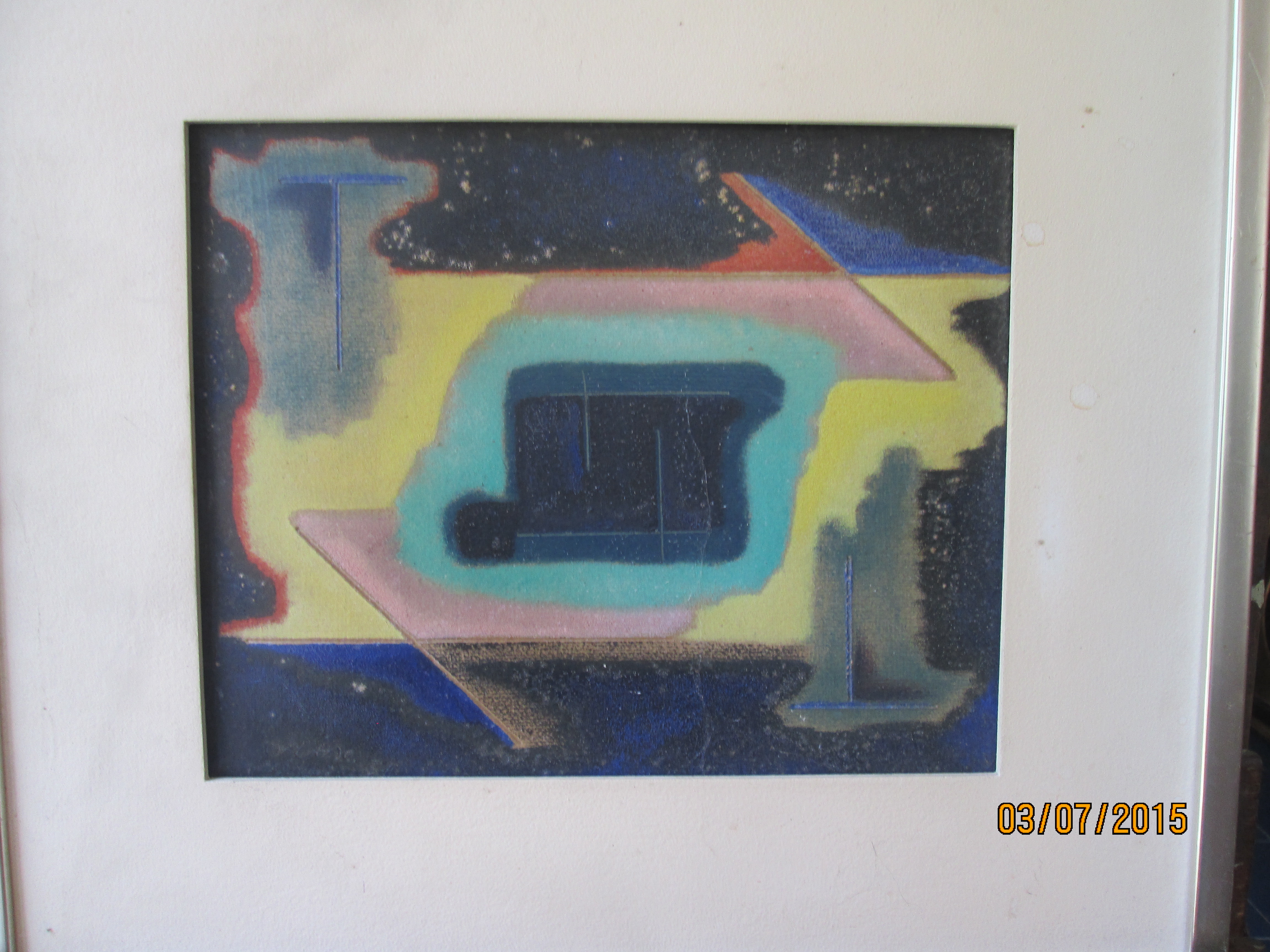
Un « Mindscape » (1951) de Bill Orix
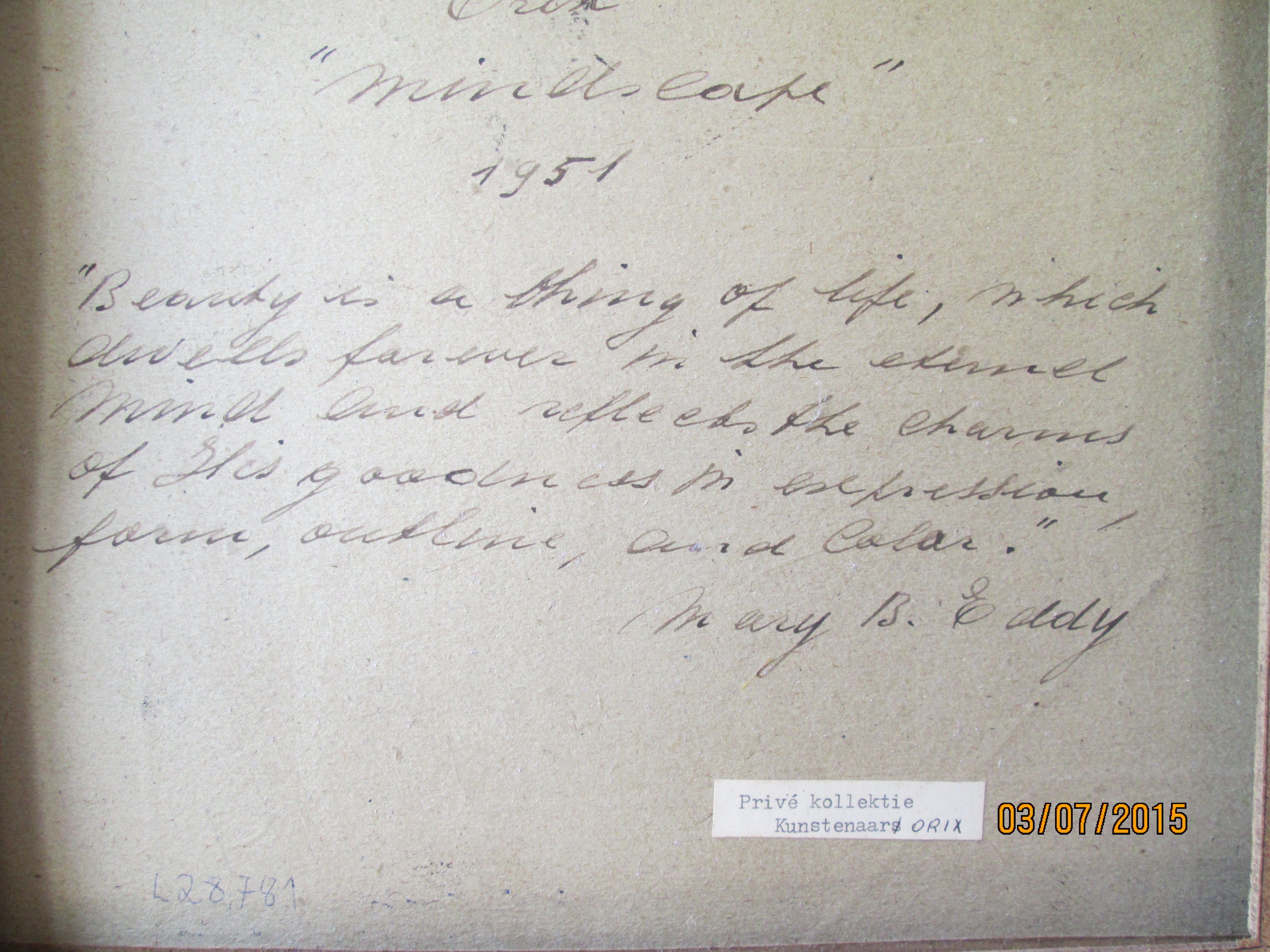
Orix « Mindscape » 1951
« Beauty is a thing of life, which dwells in the eternal mind and reflects the charmes of his goodness in expression, forme, outline, and color »
Mary B.Eddy
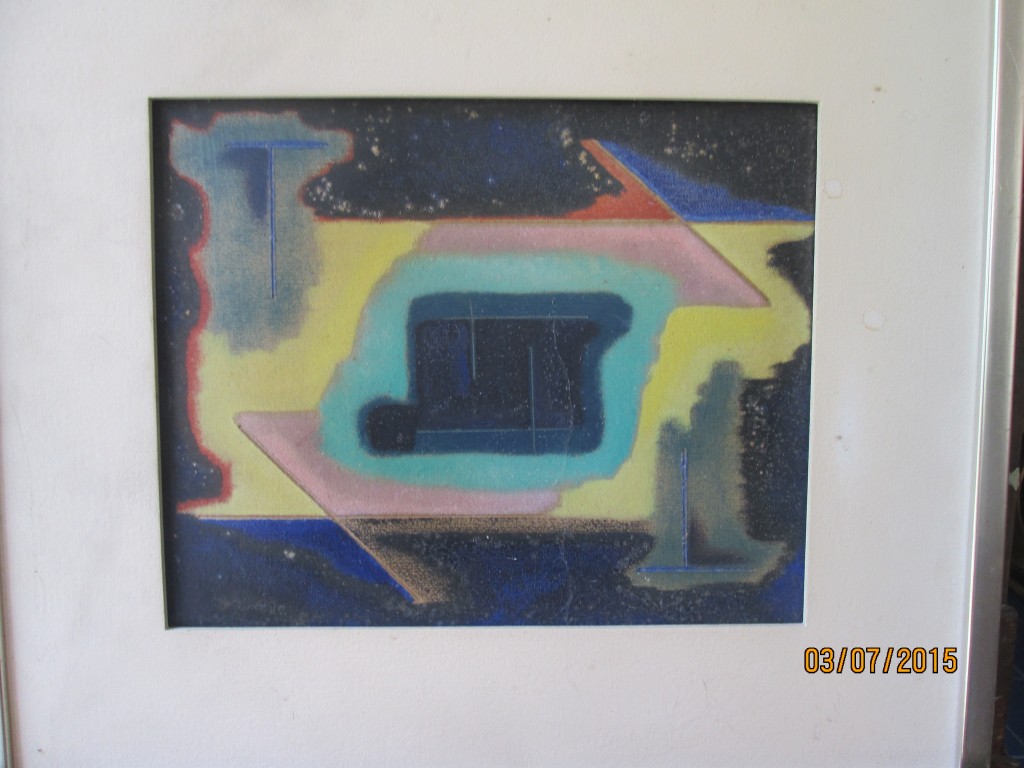
Orix, « Mindscape », 1951 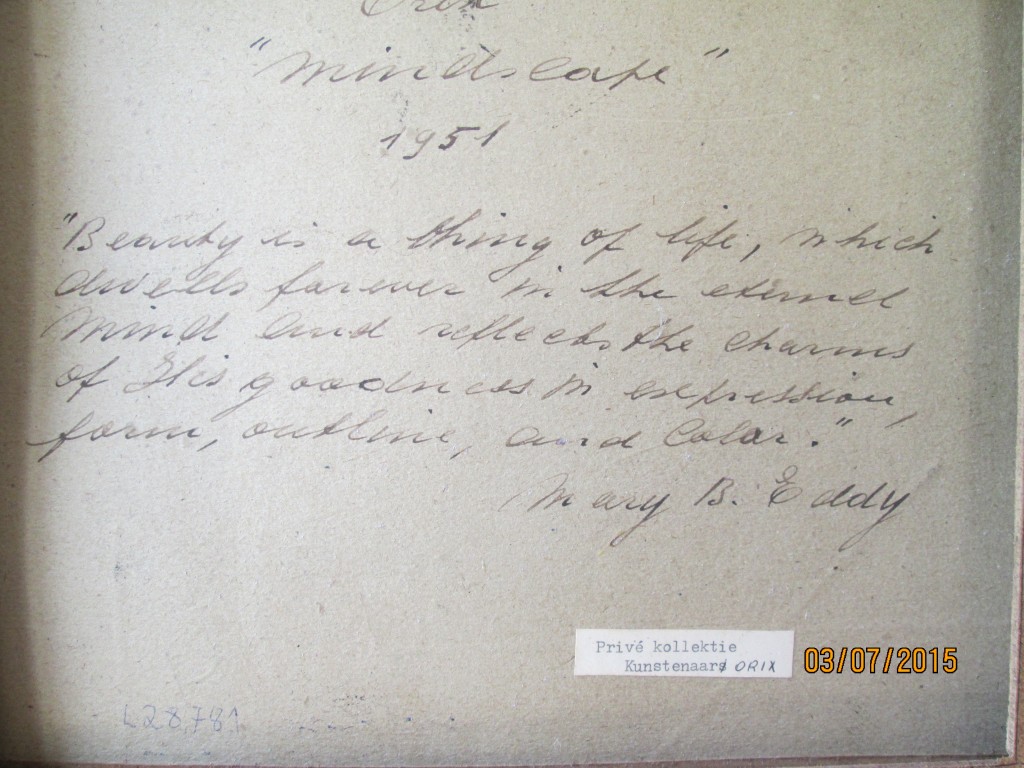
-
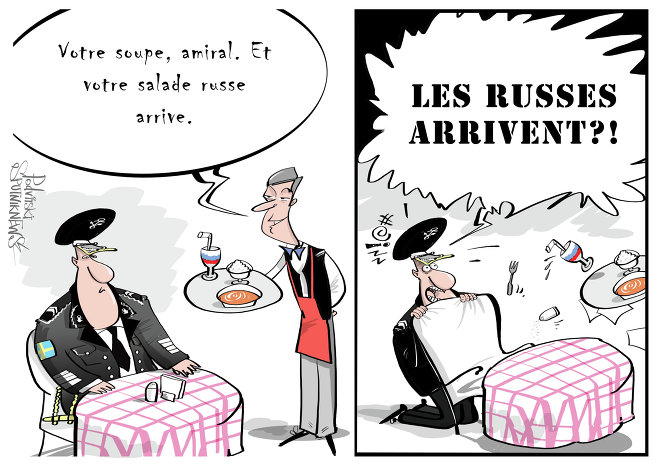
Visions américaines sur la Russie
Washington (CNN)The outgoing Army chief of staff said Wednesday that Russia posed the « most dangerous » threat facing the United States today, thanks to its « sophisticated » operations in Ukraine.
Gen. Raymond Odierno, who is leaving his post, estimated that only a third of U.S. brigades are capable of operating at the level of the hybrid warfare Russia is undertaking there. And he worries that Russia could next intervene in NATO allies like Latvia or Estonia.
« They are more mature than some other of our potential adversaries, and I think they have some stated intents that concern me in terms of how the Cold War ended, » Odierno said of Russia when asked by CNN. « They have shown some significant capability in Ukraine to do operations that are fairly sophisticated, and so, for me, I think we should pay a lot of attention. »
Odierno explained that he’s concerned that Russia underestimates the extent to which NATO partners would defend the Latvians and Estonians, a miscalculation that could lead to conflict. The solution, he argued, would be to increase response capabilities in order to deter any possible Russian aggression.
« We have deterrent there and I think we’re doing a good job with that, » he said. « What we have do in the next several years is continue to increase that so the risk goes up for anybody who might consider operations in Eastern Europe. »